


Articles
Four Years Before Coraline, A 10/10 Stop-Motion Animation Favorite Gave Goth Kids the Perfect Movie
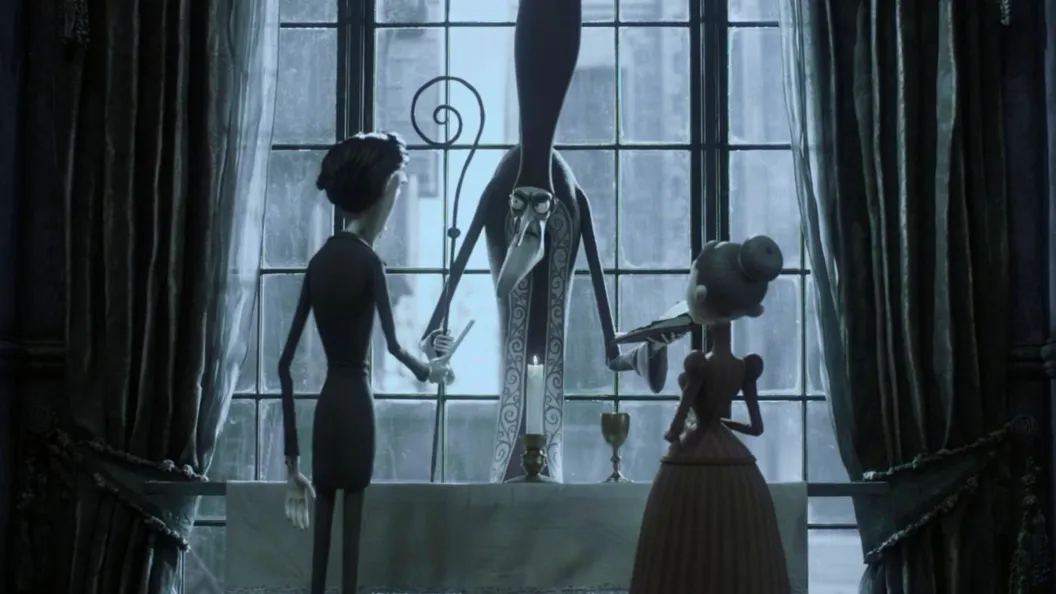
For a long time, kids’ and family movies meant fairy tales, princes and princesses, colorful visuals, and happy endings. However, cinema eventually started exploring a different kind of path with stranger stories, dark characters, darker color palettes, and an overall melancholic vibe. In other words, Hollywood started leaning more into gothic storytelling, as seen in movies like The Addams Family, The Crow, Beetlejuice, and Sweeney Todd: The Demon Barber of Fleet Street, as well as animated ones like The Nightmare Before Christmas, Frankenweenie, and the famous Coraline, which became a hit for an entire generation. But not too long before it, there was already a film that had pretty much nailed all those elements.
It was also stop-motion, had a morbid sense of humor, a creative plot built around a taboo topic, a dead protagonist, and an entire world where corpses seemed to be having way more fun than the living. It was a dark animated feature, but it was so much more than that as well: it was made for anyone who had been into the gothic genre since childhood. Watching it, you quickly realize that the Land of the Dead is, by far, the most entertaining place in the whole story. And, of course, who else could have been behind a project like this? Tim Burton.
Corpse Bride Has Pretty Much Everything a Gothic Fan Could Want
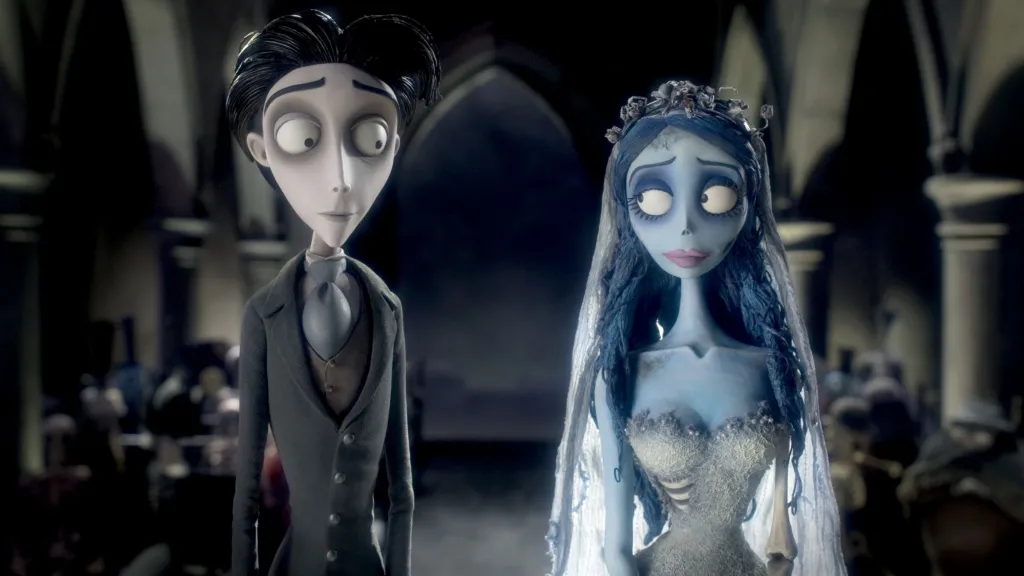
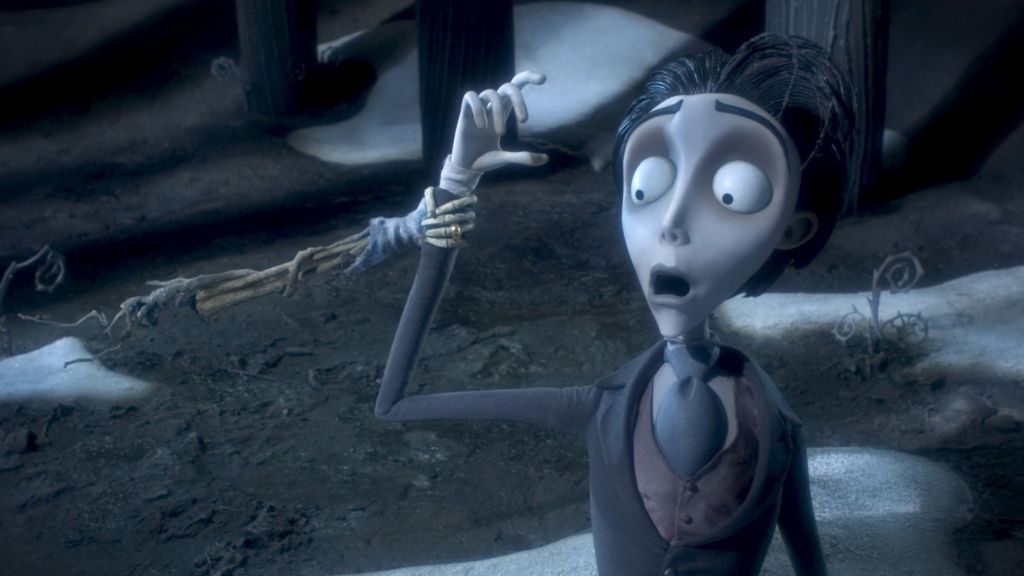
Corpse Bride was released exactly 21 years ago, telling the story of Victor Van Dort, a shy young man who is about to marry Victoria Everglot. The marriage has been arranged by their families, who see the union more as a solution to their own problems than as a genuine love story. Victor does like Victoria, but he is so nervous while practicing his vows that he runs off into a forest to rehearse alone. That’s when everything goes wrong, because while placing the ring on what he thinks is a branch, Victor finds out that it isn’t a branch at all — it’s the finger of Emily, a dead woman buried there. Naturally, she doesn’t see the gesture as an accident, and before Victor can even understand what just happened, he is taken to the Land of the Dead.
So, the entire film revolves around Victor having to deal with the possibility that he is now married to a woman who has been dead for years (could this be any more Burton?). However, Emily is the real protagonist as she steals the show from beginning to end without ever being turned into the villain. She could have been the scary figure keeping Victor from going home, but instead, she is charismatic, funny, and truly happy to believe that she has finally found someone. The fact that she’s dead doesn’t erase her personality — if anything, it is what makes her situation so tragic. Emily’s arc is about someone who spent her life waiting for a wedding that never happened and, after dying, believes she has finally found a chance to have the life she always wanted.
When it comes to Corpse Bride, Emily is exactly the character everyone tends to remember, even before Victor. Aside from her instantly recognizable look, she is, ironically, what brings the movie to life, since everything about her is filled with hope and happiness. There’s also what makes her relationship with Victor much more complex and interesting than it would have been if Emily were simply a supernatural antagonist. And, of course, a lot of that comes down to the voice work from Helena Boham Carter and Johnny Depp, who were working with Burton pretty frequently around that time. Both already had a strong familiarity with the filmmaker’s universe, and there was a clear chemistry between their voices that made Emily and Victor feel like an unlikely couple who somehow naturally clicked. You find yourself wanting to see them together for a little longer.
And the result? The feature worked both critically and commercially, making around $117 million worldwide, while its first weekend of wide release brought in $19 million at the domestic box office. It later received an Academy Award nomination for Best Animated Feature, and won Best Feature Film at the Saturn Awards, Best Feature Film at the British Animation Awards, and the Future Film Festival Digital Award at the Venice Film Festival. And you can argue that all of this came down to Corpse Bride fully embracing the weird. Today, it’s much more common to see movies and shows mixing fantasy, horror, and macabre elements, but in 2005, Corpse Bride had a very specific identity and wasn’t afraid of how audiences might react to it.
The Movie Uses a Taboo Subject to Tell a Mature Story
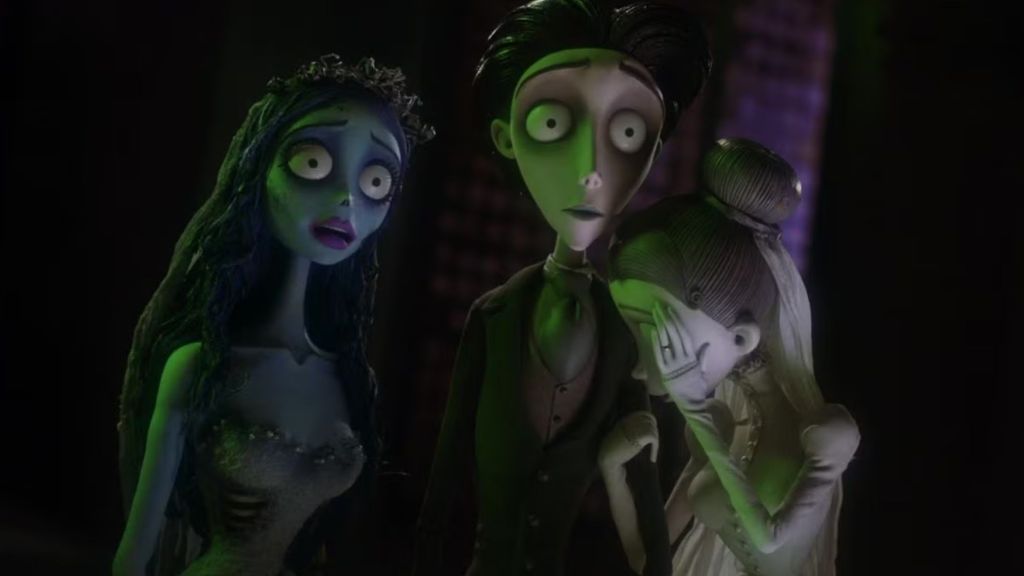
However, even though the animation works because of the complete package, the best part of it is its central theme: death. The goal isn’t just to tell a story about a guy trying to escape from a dead bride, but to play with the idea that something that looks scary isn’t necessarily what should actually scare us. Emily is a corpse, yes, but she isn’t threatening. In fact, if you compare the world she lives in to Victor’s, you’ll notice that the living are the ones constantly worrying about money, reputation, marriage, and appearances — which is actually what’s more frightening.
The Land of the Dead is more vibrant, loud, and eccentric, with skeletons playing music, corpses cracking jokes, and a general feeling that everyone there is finally free to do whatever they want. The world of the living is the complete opposite: gray, drained, and rigid, filled with people who are totally obsessed with following rules that nobody seems to really enjoy. It’s not exactly a difficult metaphor to understand, but it works. Corpse Bride basically looks at these two worlds and asks you a simple question: who’s actually having fun? The answer is obvious.
And that’s where the movie manages to say a lot about death without becoming heavy all the time. The humor keeps the story from turning into a full-blown drama about grief, while the sadder moments give some weight to what could otherwise just be a macabre comedy. That’s especially clear in the ending, which leaves the audience with a thoughtful message, particularly for younger viewers: letting go. Emily has to accept that she won’t get the life she imagines, and Victor has to accept that he can’t fix the situation by staying with her out of pity. The entire narrative revolves around characters who have to stop trying to control something that has already been lost. In the end, Corpse Bride uses death to talk about accepting what we cannot change and understanding that loving someone can sometimes mean letting them go.
In 2009, Coraline came along and had plenty of reasons to become the success it was in the genre and in animation as a whole. Its story follows a protagonist surrounded by frightening things, a disturbing visual style, and a plot that trusts children to handle uncomfortable situations — but it wasn’t the movie that discovered this audience existed. Corpse Bride had arrived a few years earlier and was already doing something similar, just in a different way. And it showed that you don’t have to remove everything scary from a film to make it accessible because, for a significant part of the audience (especially kids), a dead bride can be far more fascinating than a princess.
Corpse Bride is available to rent on Prime Video.
