


Articles
All the Similarities Between The Incredibles & Watchmen, And Which One Did Things Better
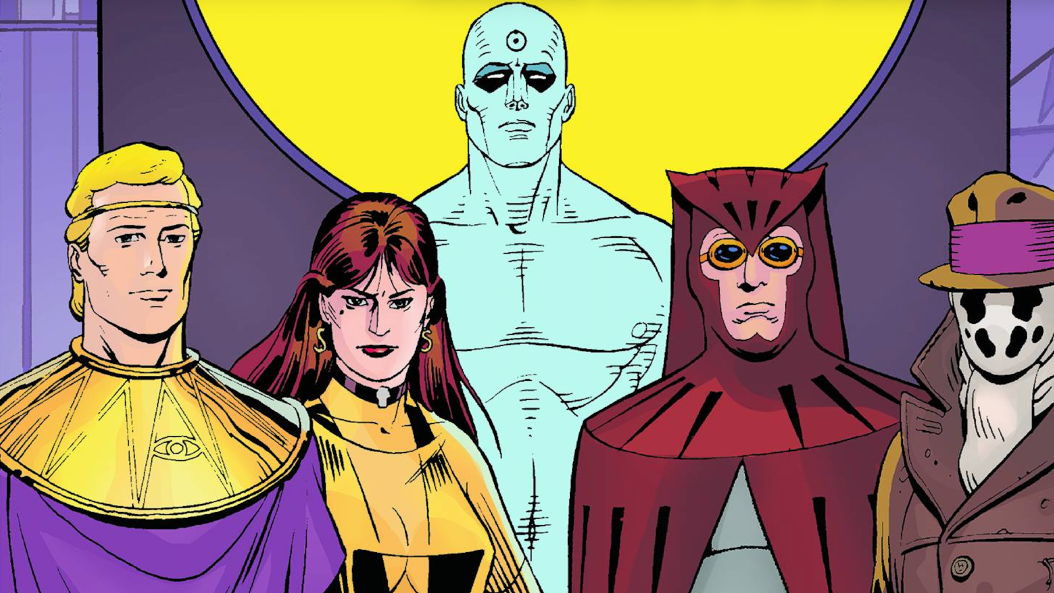
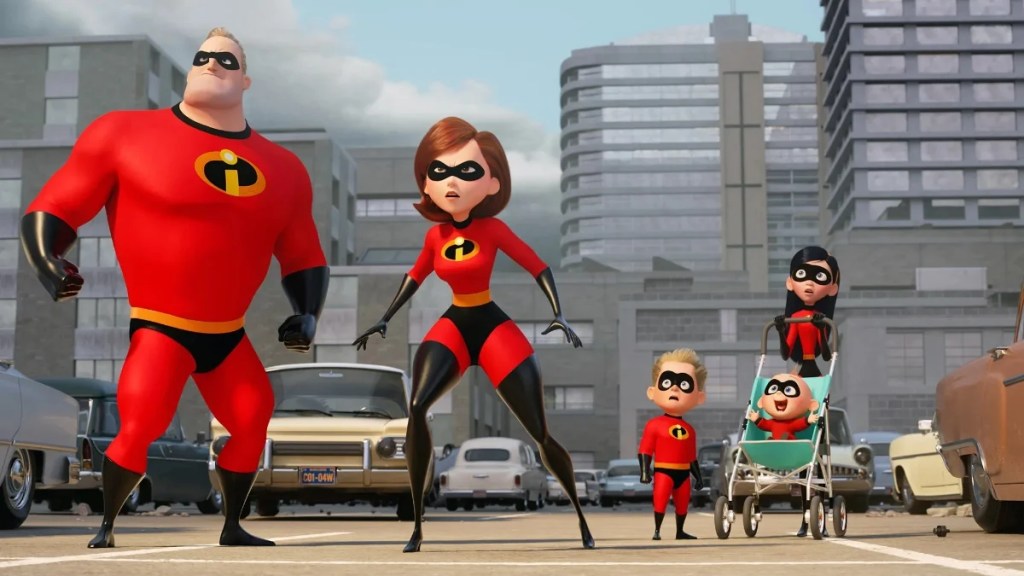
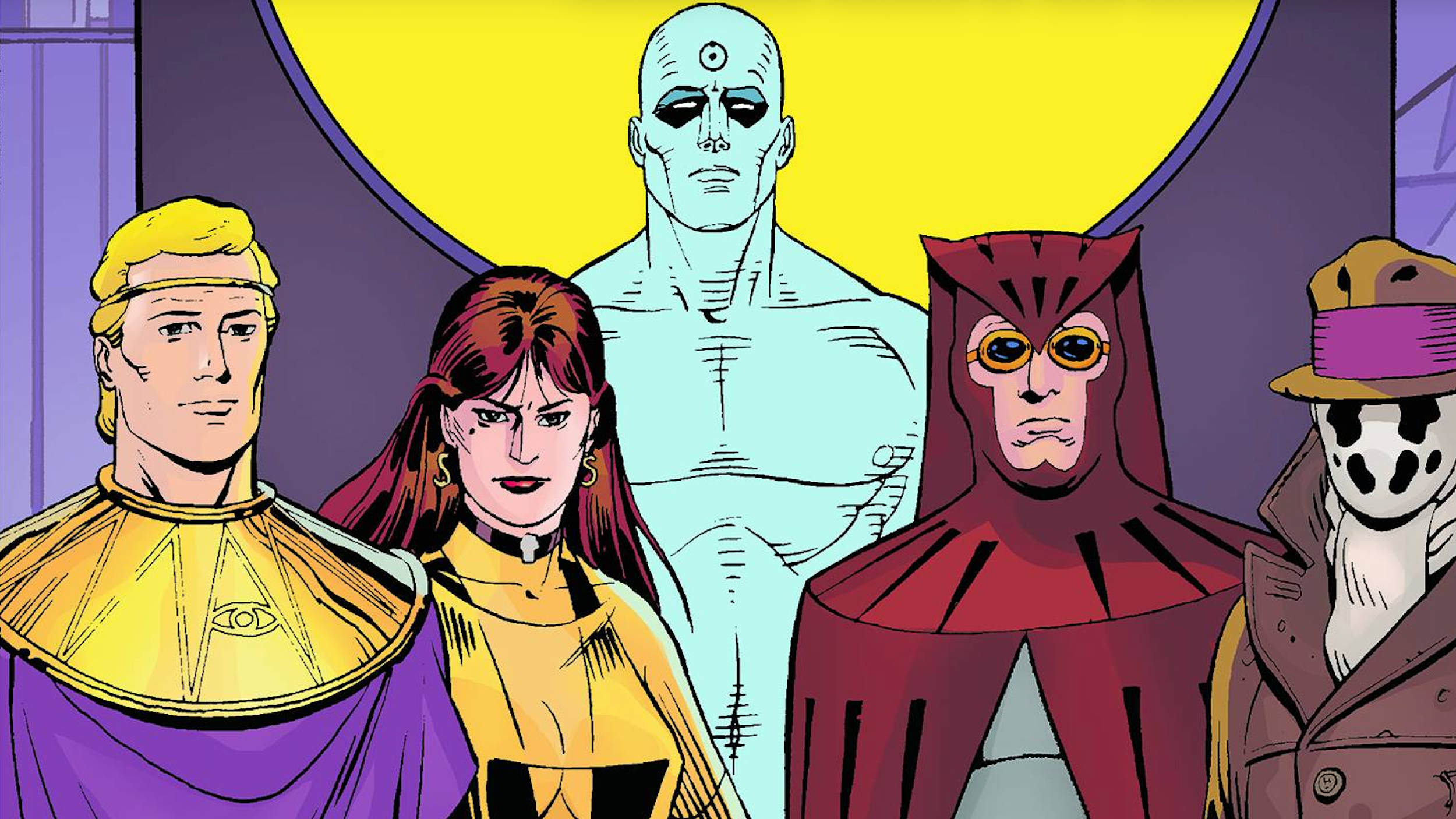
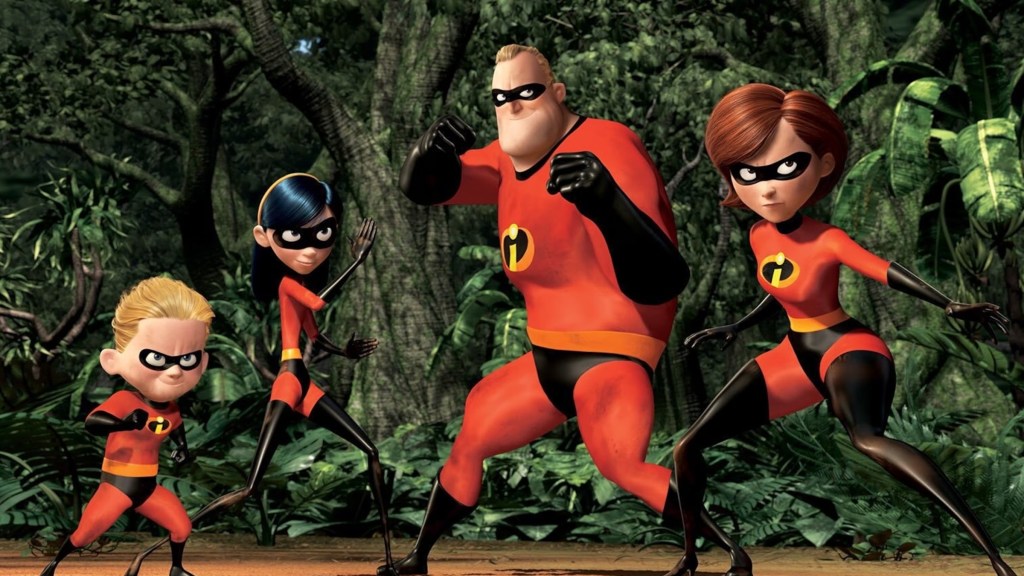
Eight years ago this site described The Incredibles as being like some sort of family friendly form of Watchmen, which is the kind of line you throw away in a paragraph and then never test. It is worth testing, because the overlaps are more specific than people assume. Two clarifications first. This compares Brad Bird’s 2004 film to the comic that Alan Moore and Dave Gibbons published across twelve issues from 1986 to 1987, not to any screen adaptation, because the live-action film arrived five years after Bird’s did and the comic is the version that won a Hugo. And Bird has never named Watchmen among his influences, so nothing below is a claim about where his ideas came from. These are parallels, not debts.
One more thing needs saying plainly. Watchmen contains an attempted sexual assault, the shooting of a pregnant woman, and an ending built on the deliberate killing of roughly half of New York, and it treats all of it seriously. Any comparison to a PG family film has to acknowledge that these two works are doing different jobs for different audiences rather than pretend otherwise.
With that out of the way, the comparison is more interesting than the throwaway line suggested, because the two works keep landing on the same ideas from opposite directions. Both are about what happens when the law removes costumed heroes from public life. Both are built around a middle-aged man who cannot stop doing the work in secret and a marriage that is quietly falling apart because of it. Both have a villain whose plan requires mass death and who believes he is improving the world. Both end by asking whether the audience is supposed to be relieved. The difference is what each one does with the answer, and that difference is not consistent. On some of these the comic is plainly deeper. On others the family film is sharper and considerably braver than its rating suggests. Here are the five places they overlap, and an honest call on which one handled each of them better.
5) Both Killed A Hero With His Own Cape
This is the sharpest coincidence in the whole comparison, and there is no evidence either work knew about the other. In Watchmen, a Minutemen-era hero called Dollar Bill was employed by a bank as a public relations asset, in a costume the bank’s publicity department designed for him. During a raid, his cloak caught in the bank’s revolving door, and he was shot at point-blank range before he could free it. It is a footnote, buried in the prose sections that run behind the first three issues. In The Incredibles, Edna Mode delivers the most quoted dialogue in either work: Thunderhead, cape snagged on a missile fin. Stratogale, cape caught in a jet turbine. Meta Man, express elevator. Dynaguy, snag on takeoff. Splashdown, sucked into a vortex.
Verdict: The Incredibles. Moore made the observation and left it as a grim aside about who owns a hero’s image. Bird made it a scene, a running joke, a piece of world-building, and then killed his own villain with it in the third act. Same idea, load-bearing in one and decorative in the other.
4) Both Worlds Made Superheroes Illegal, For Completely Different Reasons
Watchmen has the Keene Act, passed in 1977 after a nationwide police strike, which bans costumed vigilantism outright and carves out an exception for two operatives who work for the government. The Incredibles has the Superhero Relocation Program, which the narration explains arrived under tremendous public pressure and the crippling financial burden of mounting lawsuits, and which offers supers amnesty in exchange for a promise to stop. The outcome is the same and the cause is not remotely. One is a story about the state reclaiming its monopoly on force; the other is a joke about American litigiousness, kicked off by a man suing Mr. Incredible for saving him from suicide.
Verdict: Watchmen. The Keene Act sits inside a fully modeled alternate history with a third Nixon term and a won Vietnam, and its consequences ramify across all twelve issues. Bird does the same work in about ninety seconds of montage, which is a genuine feat of economy, but economy is not the same as depth.
3) Both Star A Softening Middle-Aged Man Who Misses The Suit
This is the closest parallel of the five and it is close enough to be strange. Bob Parr is an insurance adjuster at Insuricare with a bad supervisor, a body that no longer fits the costume, and a habit of sneaking out at night to do the thing he is legally forbidden to do. Dan Dreiberg is retired, softened, nostalgic, and keeps his gear in a basement he visits more often than he admits. Both are physically diminished, both keep the suit, both are pulled back into it by a woman, and both break the law to get there. There is a neat inversion sitting next to it, too. Buddy Pine idolized Mr. Incredible and became his nemesis. Dan idolized Hollis Mason and became his successor. Same raw material, opposite result.
Verdict: a split, and I mean it. Moore embodies the decline, including the impotence, and refuses to let heroism be flattering. Bird makes it social rather than physical, which is warmer and recognizable to far more people. Watchmen diagnoses. The Incredibles treats.
2) Both Use A Return To Heroics On A Relationship, In Opposite Directions
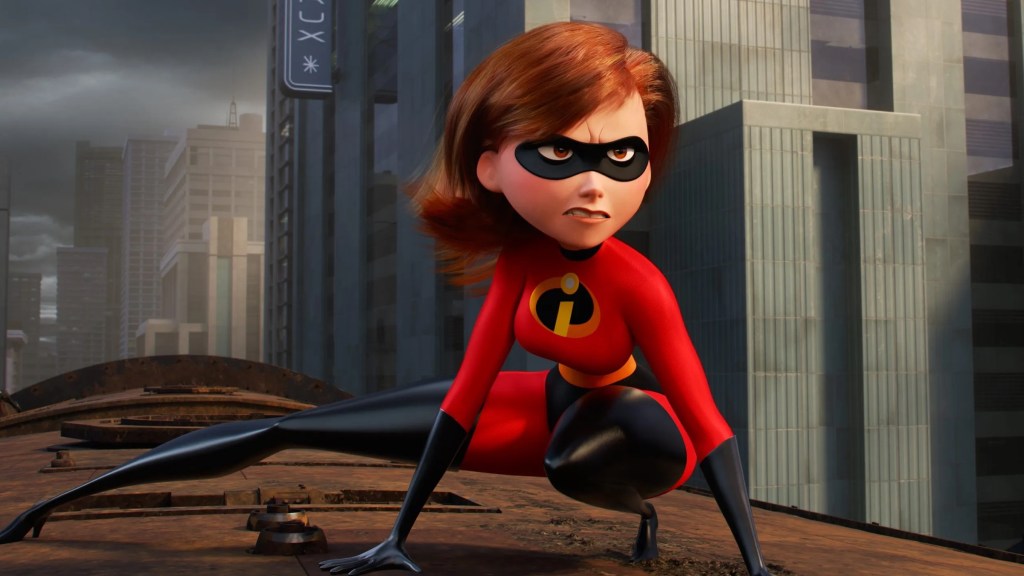
Here is where the two stories look similar on paper and turn out to be pointing opposite ways. In Watchmen, Dan cannot perform with Laurie until they put the costumes on, take the ship out, break the Keene Act and pull people out of a burning building, at which point the problem resolves itself. The heroics are the cure, and the book is unusually honest about the link between violence and arousal. In The Incredibles, Bob’s return to heroics is what breaks the marriage rather than what fixes it. He lies about it, Helen assumes an affair, and the repair does not arrive until the whole family is doing the work together with nobody hiding anything.
Verdict: The Incredibles, on ambition. Moore’s version is braver about what it is describing. But Bird attempts something Watchmen never does, which is an ongoing marriage with children in it, and Helen’s line about being the greatest good he is ever going to get has no counterpart in a book with no functioning families in it.
1) Both Villains Stage A Catastrophe To Change What Heroes Mean
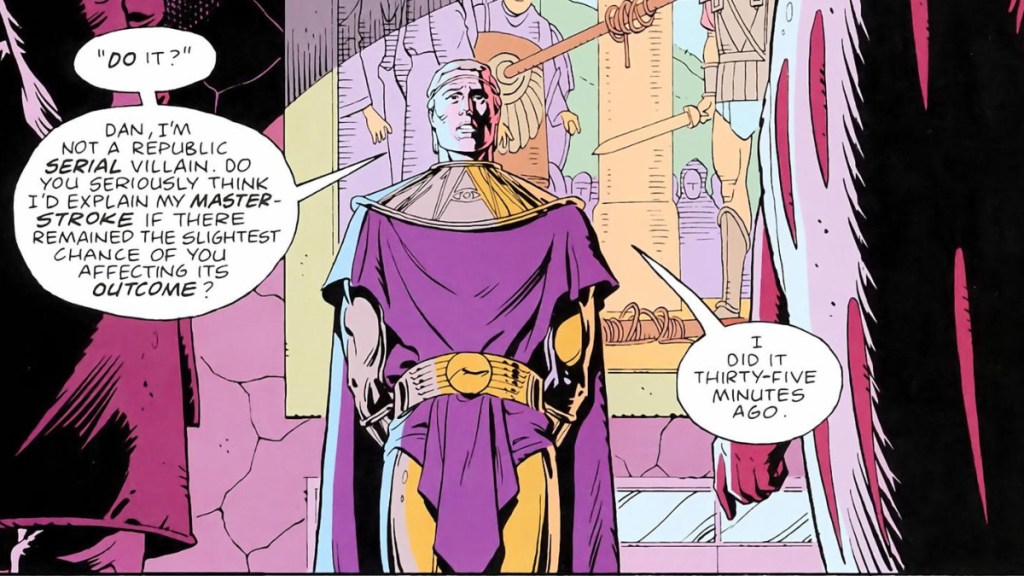
Syndrome runs Operation Kronos, luring retired supers to an island to fight prototypes of a machine that improves with every hero it kills, with a long list of the dead shown on screen as a classified database. The plan is to release the finished version on a city, defeat it in public, become the hero he was never allowed to be, and then sell the technology until, as he puts it, when everyone is super no one will be. Ozymandias kills the Comedian, exiles Dr. Manhattan, murders the people who built his creature, and destroys half of New York to frighten two superpowers out of a nuclear war.
Verdict: split, and this is the interesting one. Syndrome is by far the better character, because he is funny and wounded and personally tangled up in the hero’s life, where Ozymandias is largely a thesis who shows up properly at the end. But Moore does the harder thing. Bird tells you Syndrome is a fraud. Moore refuses to tell you whether Ozymandias was right, the plan works, and Rorschach dies insisting it should not have.
The scorecard comes out roughly even, which is not the result I expected when I started counting. Watchmen changed what readers would accept from a superhero story, and 1986 is still the year the modern version of the genre gets dated to. But breaking the genre’s rules turns out to be something you can do warmly. Watchmen asked whether superheroes survive being taken seriously. The Incredibles asked whether they survive being loved anyway.
