


Articles
A Forgotten ’80s Cartoon Once Aired an Episode So Controversial That Disney+ Banned It
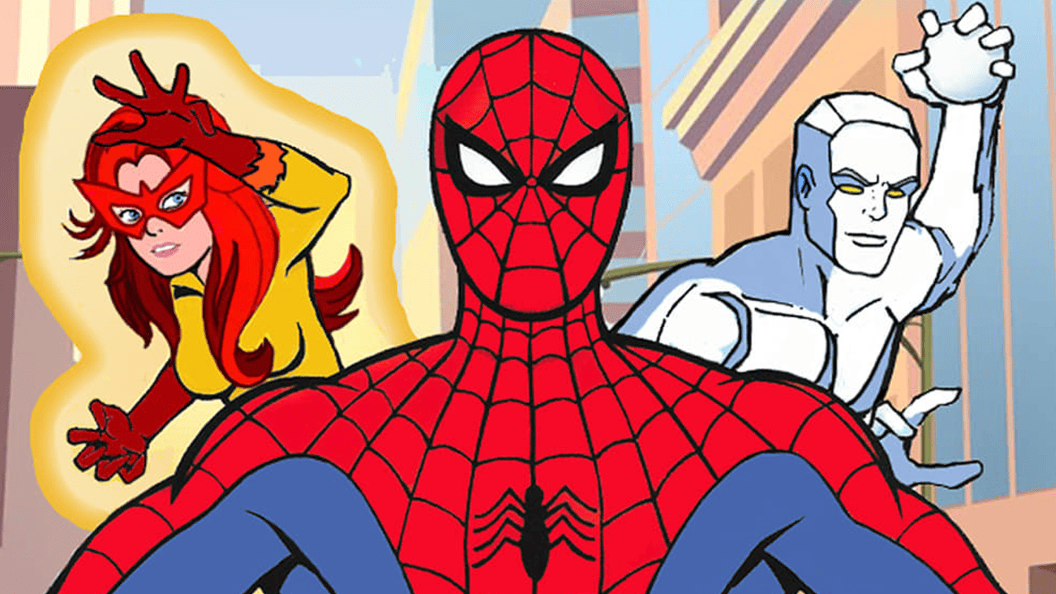
There are certain things you expect to find when you revisit an old Saturday morning cartoon. Colorful villains, ridiculous inventions, superheroes arguing over who gets to save the day, and maybe a lesson that wraps everything up before the credits roll. That’s part of the fun of going back to these shows decades later. They’re time capsules from an era when television could be wonderfully strange without needing to explain itself.
But every once in a while, you find an episode that seems totally fine, especially given the context of its time. But then you find out decades later that it’s no longer being looked at favorably by some. That’s exactly what happened with one Marvel cartoon from the early 1980s. The series was already packed with comic-book craziness, but one particular adventure wandered into some surprisingly dark historical territory. It wasn’t pulled immediately, either. It aired like any other episode, disappeared into the show’s long history, and then became even more interesting when fans eventually discovered that Disney+ had left it out
Spider-Man and His Amazing Friends Once Put Hitler Into a Saturday Morning Adventure
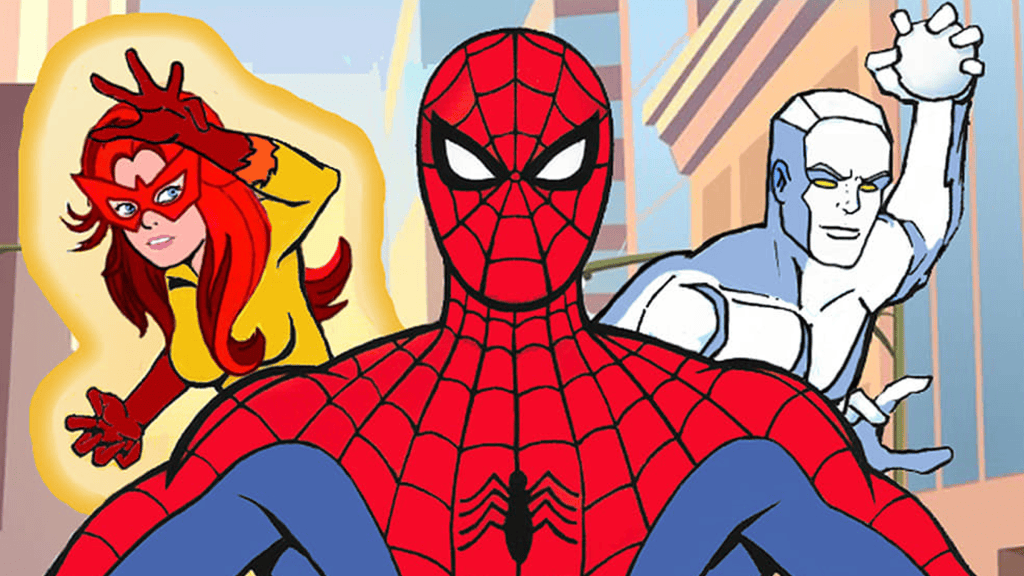
The episode is “The Quest of the Red Skull“, which aired on December 5, 1981, as the 13th episode of the show’s first season. The premise starts with a very Spider-Man kind of problem: the Red Skull has kidnapped Professor Hiawatha Smith and the Spider-Friends because he needs something connected to a secret Nazi treasure. His larger plan, naturally, is considerably worse. He’s trying to start World War III.
That is already a lot for a cartoon starring Spider-Man, Iceman, and Firestar. Then the episode starts bringing in its World War II material. Adolf Hitler appears in historical footage, Nazi imagery is used throughout the story, and the episode even includes the phrase “Heil Hitler.” If you’re watching this for the first time decades later, there’s an understandable moment of, “Wait… this is actually the Spider-Man cartoon?” Yes. It really is. The Red Skull is, after all, one of Marvel’s most explicitly Nazi-associated villains, so the episode is taking that part of his history and putting it front and center. The strange part is how naturally it sits inside a Saturday morning adventure, complete with superhero banter and the usual race against the villain.
Disney+ Left “The Quest of the Red Skull” Out of Its Spider-Man Collection

The episode’s unusual history didn’t end when its original broadcast was over. It was already commonly excluded from syndicated packages because of its direct depictions of Hitler, the Nazi swastika, and the Nazi salute. So when Spider-Man and His Amazing Friends eventually became part of Disney+’s U.S. library in 2019, longtime fans quickly noticed that the first season seemed to have a particularly conspicuous hole in it. “The Quest of the Red Skull” wasn’t there.
And that is what makes the episode such an odd little piece of Marvel history. Disney+ didn’t simply edit out a questionable joke or trim a few seconds from an otherwise ordinary Spider-Man adventure. The Nazi material is fundamental to the episode’s story, which makes the decision to leave the entire episode out much easier to understand. The contrast is almost funny in its own strange way. This is a cartoon remembered for Spider-Man living with two superhero friends, fighting colorful villains, and getting into the kind of trouble that could be solved before the commercial break. Yet sitting in the middle of that cheerful 1980s Marvel universe is an episode built around the Red Skull, Hitler, and the legacy of Nazi Germany. It aired. Kids watched it. And decades later, it became the Spider-Man and His Amazing Friends episode that fans couldn’t find on Disney+.
There’s something undeniably odd about burying a story simply because it depicts an ugly part of history. The episode’s imagery may be uncomfortable, but its context matters: the Red Skull’s Nazi past is central to understanding why he is a villain, and Spider-Man’s role is ultimately to oppose that ideology, not celebrate it. Removing the story can make that history easier to forget rather than easier to understand. At the same time, modern audiences can reasonably question whether certain material belongs in children’s programming without context. Either way, Peter Parker probably has the perfect solution: with great power comes great responsibility—and apparently, certain historical subject matter can get sticky.
