


Articles
This Cult Sci-fi Movie Was Roasted by Critics 38 Years Ago, But It Changed Movies, Video Games, and Art Forever
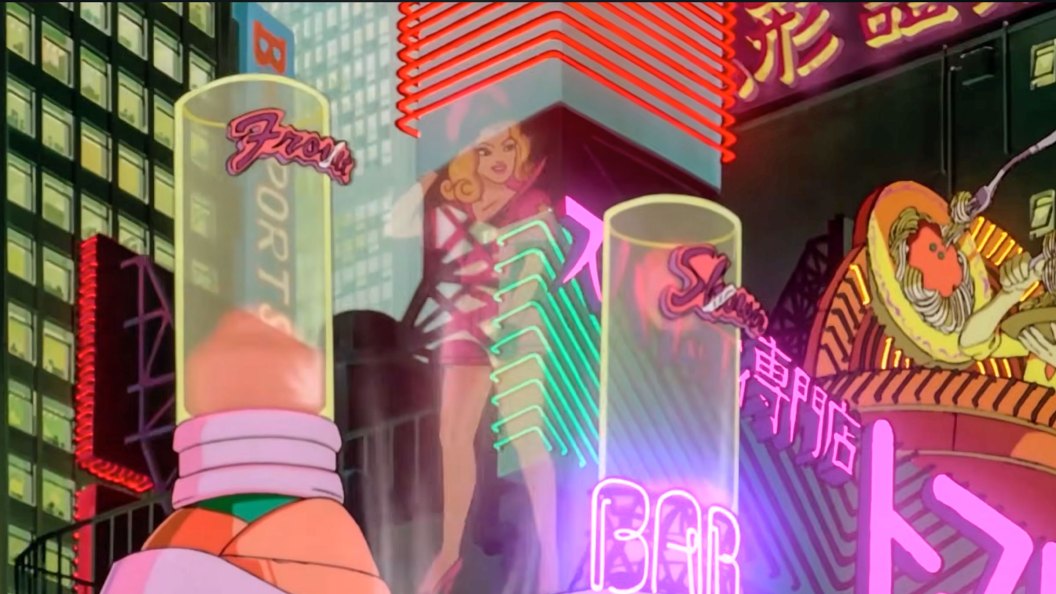
There are definitely movies that age badly. And there are films that look even better decades later. Then there’s the rare one that defies all expectations. Imagine a futuristic city filled with neon lights, motorcycle gangs, and enough government corruption to make everybody suspicious. Surprisingly, that’s still a concept that is hard to find in modern stories. Now add psychic teenagers and a military experiment that goes horribly wrong—things are about to get cooking.
Audiences in Japan got their first look at this bizarre science-fiction anime in 1988. American critics weren’t the most positive when it arrived from overseas. Some dismissed its story as confusing, while others weren’t particularly impressed by its relentless violence. The ironic thing is, plenty of filmmakers and artists saw something worth borrowing from. Its influence eventually reached Hollywood, video games, and music videos. Even people who have never watched an anime movie have probably encountered something that owes it a major debt.
Akira Was the Sci-Fi Movie American Critics Completely Misunderstood
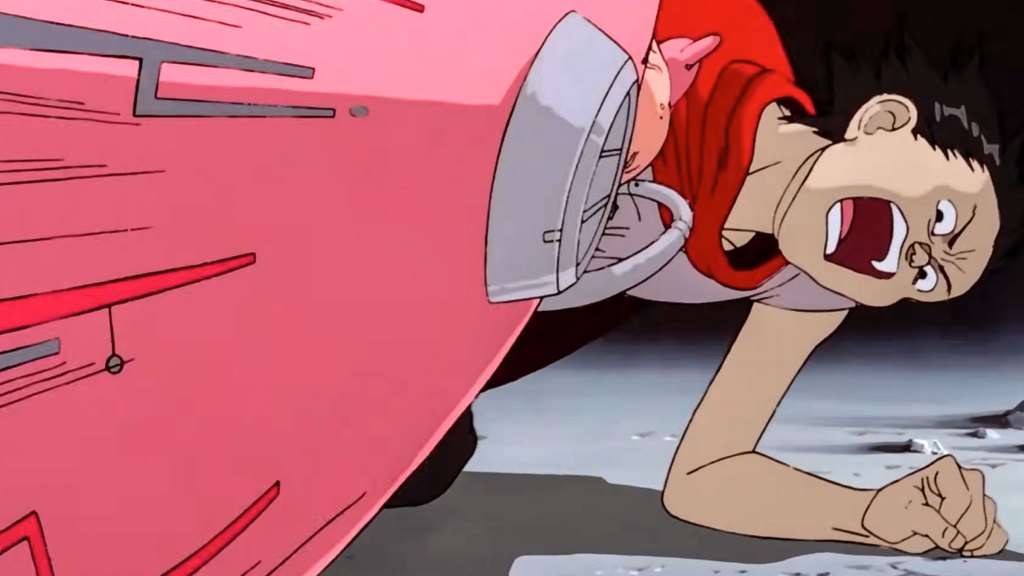
Katsuhiro Otomo’s Akira arrived in Japanese theaters in July 1988. He adapted his own manga into a story about a futuristic Tokyo struggling to recover from disaster. The new city represents a chaotic mix of urban problems. Motorcycle gangs terrorize the streets. Politicians fight to maintain control, and the military conducts clandestine experiments that probably should have stayed behind closed doors. Two teenagers named Kaneda and Tetsuo find themselves caught up in the mix. Their new friendship takes a nasty turn when Tetsuo develops terrifying psychic abilities after being adducted and experimented on. Suddenly, the biggest threat to Neo-Tokyo isn’t another street gang. It’s a teenager who can barely control his own powers.
Early in my anime career, I watched Akira on VHS before I was old enough to fully understand it. I watched it several times, and beyond appreciating its animation and music, the characters and story truly stuck with me. The plot isn’t overly complicated; there are just so many layers to peel back and analyze. But that’s part of the movie’s appeal. I never finished buying and reading the entire manga series, but that’s going to change soon. This story is a masterpiece as both an anime and cinematic film. If you haven’t already, you need to experience this work of art.
The movie looks incredible. That’s probably the easiest way to describe it. Otomo created a futuristic city that feels crowded and alive. Its glowing advertisements and enormous buildings give Neo-Tokyo a personality of its own. The motorcycle sequences are still spectacular. The animation is packed with details that most movies wouldn’t bother attempting. More than 160,000 animation cels helped bring the film to life. American critics weren’t immediately impressed, though. When Akira reached American audiences in 1990, some reviewers found its story difficult to follow. The Los Angeles Times famously dismissed it as “High-Tech Hokum From Japan.” That’s a pretty brutal assessment for a movie that would eventually become a landmark of science-fiction storytelling.
How Akira Changed Hollywood Movies, Video Games, and Art Forever
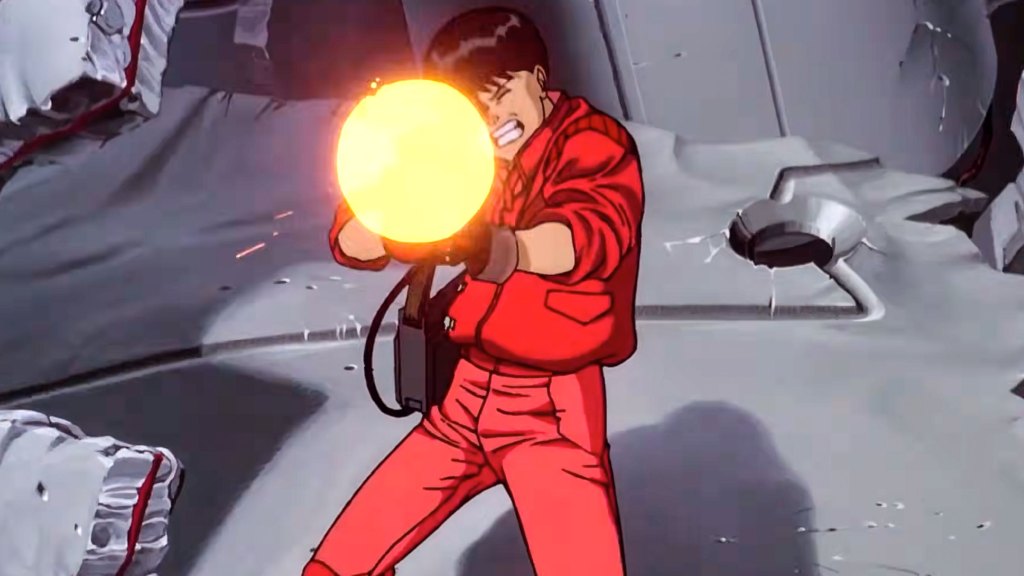
You don’t have to look very hard to find Akira‘s fingerprints on modern science fiction. The Wachowskis admired Japanese animation while developing The Matrix. The influence shows in the film’s futuristic atmosphere and its approach to visual storytelling. Other filmmakers followed similar paths. Even Stranger Things has played with imagery that recalls Otomo’s work. Then there’s Kanye West’s Stronger music video. Anyone familiar with Akira will recognize some of its most obvious references. It’s a little funny when you think about it. The Absolute Batman comic did an homage cover to the famous Kaneda poster. There are even rumors circulating about a live-action adaption. A Japanese animated film that confused American critics eventually became inspiration for some of Hollywood’s biggest creative projects.
Video games have embraced its world just as enthusiastically. Those towering buildings and glowing streets practically invite players to get lost in Neo-Tokyo. The motorcycle designs have become particularly recognizable, and artists still return to the movie for inspiration. You can find its influence in illustrations, fashion, and all sorts of digital artwork. But the biggest achievement might be what Akira did for animation itself. Otomo never treated the medium like something that needed to stay small or simple. He gave audiences a sprawling science-fiction epic with the ambition of a major Hollywood production. That’s another reason why the film is so important. It showed a generation of creators that animation could go almost anywhere. Critics eventually moved on to the next movie. Artists kept coming back to this one. And nearly four decades later, Neo-Tokyo still feels more alive than plenty of fictional cities that arrived long after it.
