


Articles
4 Sequels That Ruined the Legacy of the Original Movies, Including One That Destroyed Its Own Lore
When a movie becomes a hit, makes history, and turns into a classic, it’s only natural for people to expect the studio to do more with it, whether that’s a spin-off, a reboot, or a sequel. The last option, however, can be a little trickier. It’s not always easy to continue a story in a way that lives up to what made the original work, since there’s a difference between making a movie that isn’t as good as its predecessor and making choices that actually hurt the story you’re trying to continue. Unfortunately, the latter has happened more than a few times.
We’ve picked 4 films that are perfect examples of this. Their originals are timeless hits, but it’s hard to watch their sequels without thinking that maybe things should have stopped with the first movie.
4) Joker: Folie à Deux
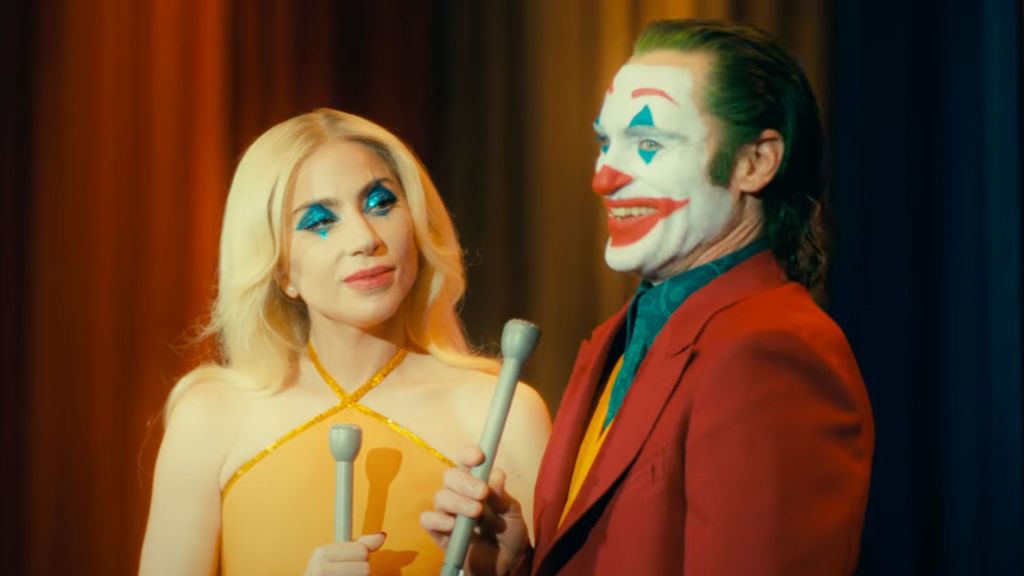
When Joker came out, it absolutely nailed what it set out to do, but when the sequel arrived years later, it managed to throw all that out the window (and that’s not even an exaggeration). You know why? Because it basically tore down everything that made the first movie so good and successful. Joker: Folie à Deux brings back Arthur Fleck (Joaquin Phoenix), who’s locked up in Arkham awaiting trial for his murders when he meets Lee Quinzel (Lady Gaga), a woman who’s fascinated by the Joker and encourages him to embrace that identity again. However, the movie spends most of its runtime switching between musical sequences and courtroom scenes, without really exploring the impact Arthur had on Gotham.
It’s understandable the musical numbers were meant to offer a glimpse into Arthur’s mind, but that was a pretty bizarre choice given the original movie’s approach. Besides, even though the ending actually makes some sense considering his character arc (as it tries to show that Arthur was never the great villain his admirers imagined him to be), the execution makes the whole thing frustrating since it brings his journey to an end just when it could have led to some of its most interesting consequences. Joker: Folie à Deux might offer a solid critique of how audiences turn criminals into idols, but that doesn’t change the fact that it tears down a character the first movie spent its entire runtime building up. It just doesn’t work.
3) Jaws: The Revenge
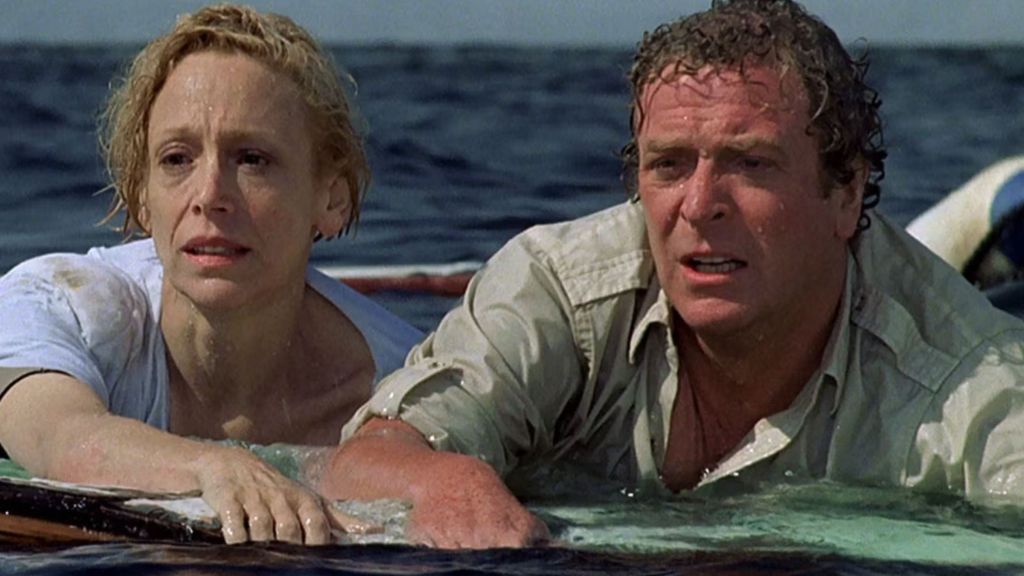
One of the biggest horror classics of the ’70s eventually turned into a franchise, but the question still remains: was that really necessary? Its fourth installment, Jaws: The Revenge, is pretty much one of the worst things you could do to a movie’s legacy. The film literally turns the shark into a villain with a personal grudge against a family. The story follows Ellen Brody (Lorraine Gary), who loses her son Sean in a shark attack and starts believing the creature is hunting down her family. And when she travels to the Bahamas to visit her other son, Michael (Lance Guest), the shark seemingly follows her there, as if it knows exactly who it’s trying to kill. The whole premise is extremely ridiculous.
A shark can attack humans, but Jaws: The Revenge expects everyone to believe that it can recognize a specific family and is determined to wipe them out, even after they move to a different location. The original feature works so well because the scary part is that the shark behaves like a predator, without any special motive behind its attacks. And then, suddenly, we get a sequel in which the animal seems to have a personal vendetta, leading to a plot that’s borderline absurd and unconvincing. The movie still tries to build a drama around Ellen’s trauma, but the story becomes so focused on justifying the shark’s crazy pursuit that the suspense takes a back seat. It really feels like the filmmakers never understood what made Jaws the classic it became, and that’s an unforgivable mistake.
2) Exorcist II: The Heretic
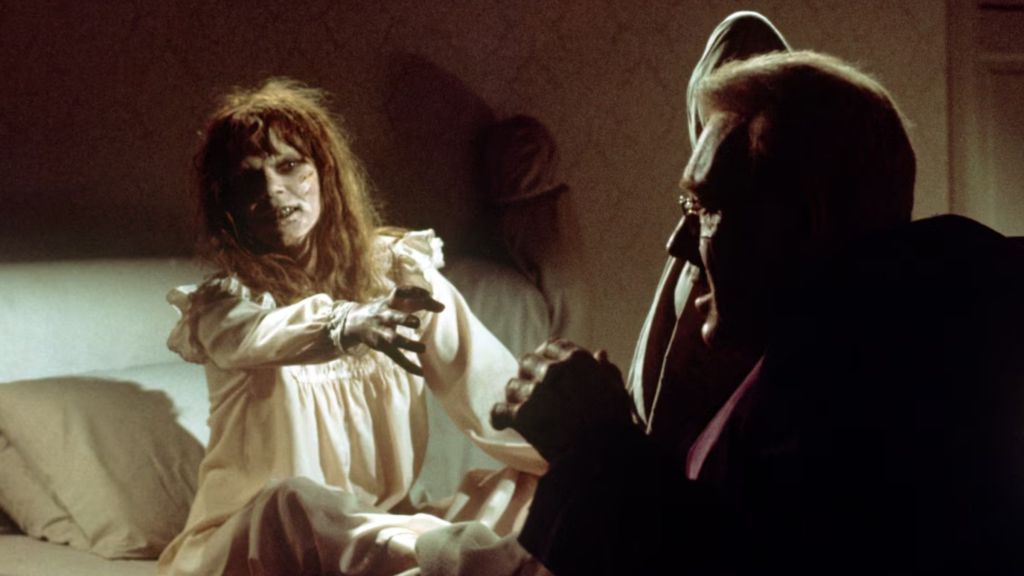
Some movies just don’t seem to know what to do with a sequel, and Exorcist II: The Heretic is a perfect example. The original film follows Regan MacNeil (Linda Blair), a young girl who starts exhibiting unexplained behavior and eventually undergoes an exorcism while her mother desperately tries to figure out what’s happening to her daughter. The horror comes not only from the disturbing scenes but also from the way the movie handles the possession itself. The sequel picks up Regan’s story a few years later, when a priest begins investigating Father Merrin’s death and trying to learn more about the entity responsible for her possession. But instead of preserving the religious horror atmosphere, it introduces psychic connections, mental powers, and supernatural forces that make everything more complicated than it needs to be.
Exploring the origins and mechanics of these phenomena wouldn’t be a problem, but The Heretic fails to turn those ideas into a story that’s engaging. Instead of being afraid of what’s happening to Regan, you’re left trying to make sense of a confusing plot involving extraordinary abilities and connections between people who have experienced similar events. In other words, the whole concept changes: what was once a story about a family facing something they couldn’t understand is now a kind of fantasy about powers and cosmic forces, almost like Carrie. The movie does have some good ideas, but there was no real need to expand the lore; it just needed to make the whole thing scary again.
1) Highlander II: The Quickening
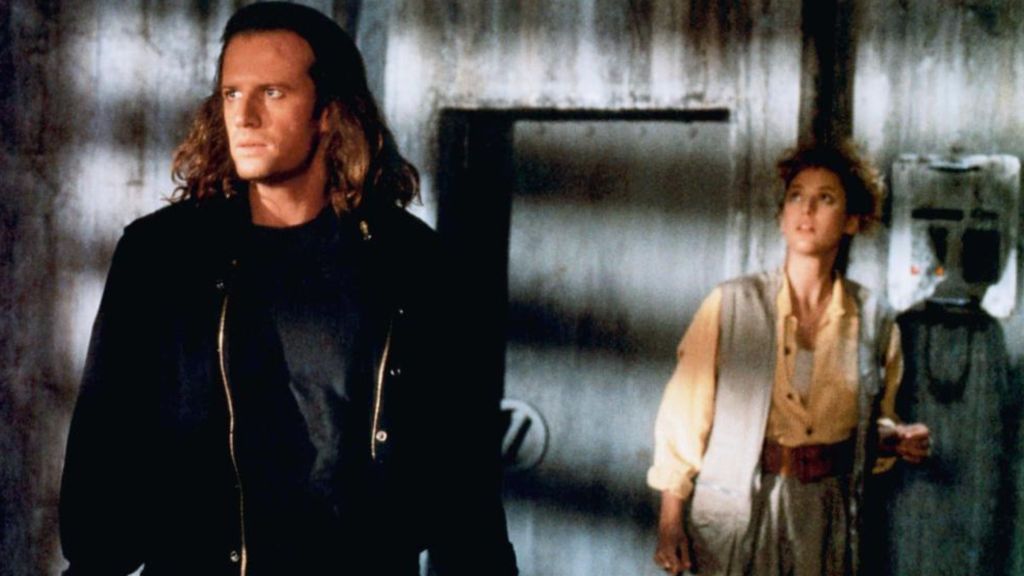
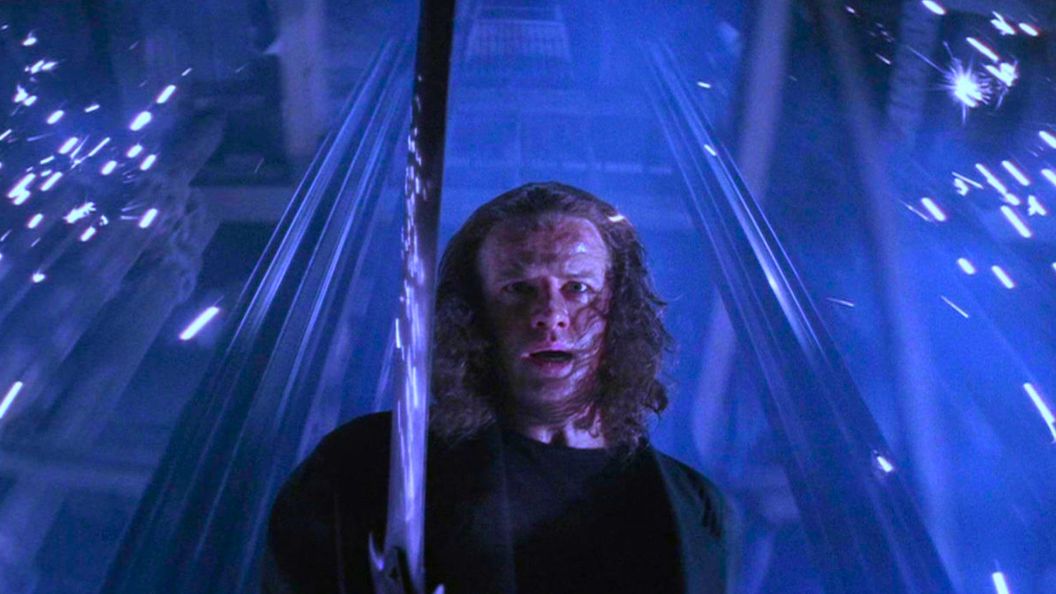
Highlander is one of the most amazing fantasy movies of the ’80s, so it was only natural to expect a sequel at some point. However, the follow-up manages to ruin just about everything because it shows that it doesn’t understand the universe at all. Highlander II: The Quickening tries to explain things that were never explained in the original, but the ideas are so ridiculous that it would have been better to leave them a mystery, honestly. The story takes place in a dystopian future when humanity depends on an artificial shield to survive environmental degradation, and the plot later reveals that Connor (Christopher Lambert) and the other immortals are actually aliens from the planet Zeist who were sent to Earth after getting caught up in a political conflict.
It’s such a radical change that it feels like the production was handed over to an entirely different franchise. The original lore is basically replaced with an extraterrestrial backstory that was never necessary and changes how you’d interpret the first movie. After all, if Connor and Ramirez (Sean Connery) are exiled aliens, the whole battle between the immortals loses much of its meaning, and the Prize becomes part of a political story that has little to do with the concept established in the original. Basically, Highlander II is sci-fi, and not even coherent sci-fi, since it changes the fundamental rules without offering a convincing reason for doing so. Unlike the other films on this list, this one goes a step further by contradicting the logic of its own universe.
