


Articles
4 Movie Remakes Way Better Than the Original (Not Including The Thing and The Fly)

Hollywood has a complicated relationship with the word “remake.” Sometimes it means a studio has run out of ideas. Sometimes it means somebody looked at a perfectly good movie and thought, “You know what this needs? A remake.” And, sometimes, an already solid movie can be remade with a modern update that reflects the generation it’s made for. That last category is generally the best scenario, and often produces the most interesting results.
That category is also what makes remakes so much fun to debate. Ask a group of movie fans to name the best remake ever, and somebody will immediately say The Thing; somebody else will bring up The Fly, and the conversation will somehow become a forty-minute debate about practical effects. Fair enough. But there are plenty of other examples where the remake didn’t simply copy its predecessor. It changed the tone, expanded the story, or completely reinvented the material, and, in the process, became the version most people remember.
4) Ocean’s Eleven (2001)
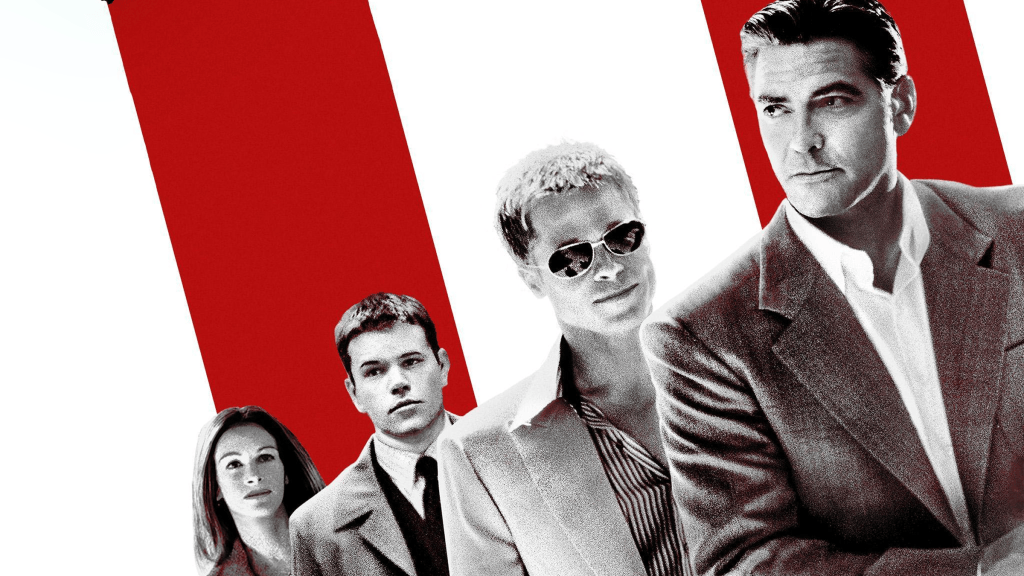
There is nothing wrong with the original Ocean’s 11—it’s a great classic in its own right. In fact, putting Frank Sinatra, Dean Martin, Sammy Davis Jr., and the rest of the Rat Pack together already gives the 1960 movie a pretty unfair advantage. It has the kind of cool that doesn’t need to announce itself. But then Steven Soderbergh came along in 2001 and decided that maybe this casino-heist story could use a little more edge, a lot more moving parts, and actors from a completely different generation.
The 2001 version of Ocean’s Eleven is also an easy watch that oozes swagger—just a different breed. The 1960 film has the Rat Pack, but the remake has Clooney, Pitt, Matt Damon, Julia Roberts, and a cast that seems to understand exactly how much fun the audience is supposed to be having. George Clooney’s Danny Ocean puts together a crew to rob three Las Vegas casinos at once, and watching the film makes you feel like you’re being led right along with the con. It’s a fun ride, with the entire plan flowing as smoothly as grease, right up to the reveal. It doesn’t try to replace the original’s personality. It finds its own, and that turned out to be a much better fit for the 21st century.
3) Invasion of the Body Snatchers (1978)

The basic idea behind Invasion of the Body Snatchers was already creepy enough in 1956. People are being replaced by emotionless copies, and suddenly the person you’ve known for years might not actually be that person anymore. That’s a pretty effective setup for paranoia, especially when nobody around you seems particularly interested in believing you. The original made the concept work. The 1978 cult sci-fi remake decided to make it downright disturbing.
What makes the remake so effective is how ordinary everything feels while the nightmare is happening. San Francisco looks like a real city, the characters feel like real people, and then little by little, something starts to feel wrong. That’s where the movie gets you. You aren’t just watching people get replaced; you’re watching familiar things become unfamiliar. It takes the paranoia of the original and pushes it into something much more psychological and unsettling. And then, just when you think you’ve figured out how the movie is going to play its hand, it reminds you that being suspicious of everyone might actually be the correct response. Not bad for a movie about giant space pods.
2) Little Shop of Horrors (1986)

Roger Corman’s 1960 Little Shop of Horrors can almost single-handedly define the cult film. It’s weird, it’s cheap, it’s funny, and it has a giant man-eating plant. What else could it be missing? Since it’s also a musical, technically, there’s nothing. The 1986 version took that strange little horror-comedy and expanded it into something much bigger. Rick Moranis played Seymour before going on to even bigger roles. Seymour and Audrey have more personality and more emotional weight, while Audrey II—the singing, carnivorous plant—gets plenty of screen time and somehow becomes one of the movie’s biggest stars.
A giant singing plant should not be this likable. Seymour should not be this sympathetic. A story about a florist accidentally feeding people to a plant should not have songs that people can easily sing along to. But Little Shop of Horrors figured out that the original’s bizarre premise was something to take to a ridiculous extreme. It was the entire reason to go bigger. The result is a remake that feels less like a replacement for Corman’s movie and more like the version that finally figured out what that premise could actually become. And, honestly, once Audrey II starts singing, it’s hard to argue with the decision.
1) True Grit (2010)
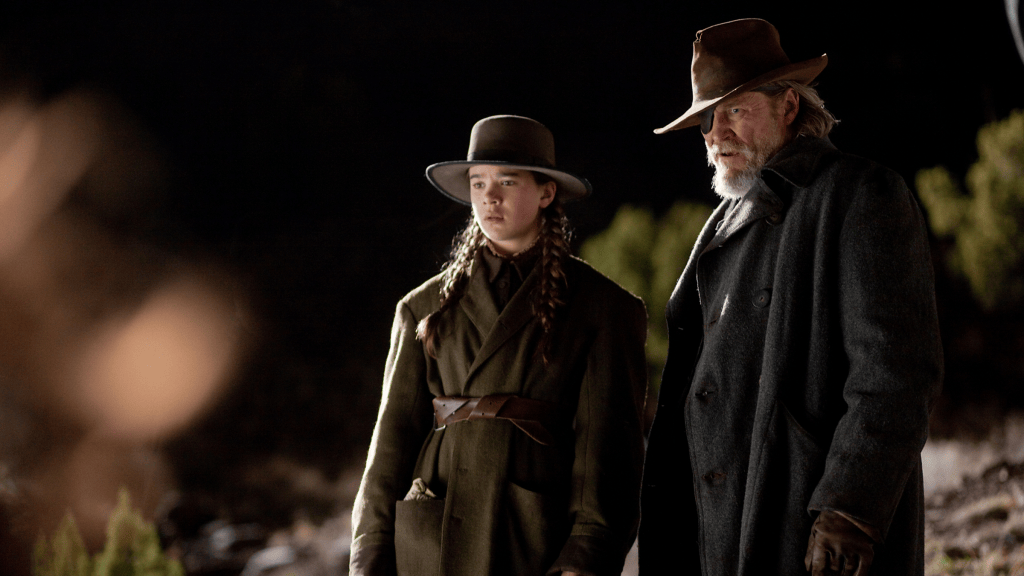
The 1969 True Grit is a John Wayne movie, which means it already comes with a certain amount of cinematic history attached to it. John Wayne’s Rooster Cogburn is one of those performances that feels almost impossible to separate from the character itself. The 2010 version, meanwhile, starred Jeff Bridges, the Coen brothers, and a much stronger emphasis on sticking close to Charles Portis’ novel. It isn’t simply John Wayne’s movie with different actors. The tone is darker and, well, grittier. If the original was shaped around Wayne’s particular screen presence, the remake was more interested in the harsh, serious world Portis had actually written. Strangely enough, it would benefit superhero fans to know that there has also been a Western remake that brought Batman and Jor-El together.
Jeff Bridges had the unenviable job of stepping into Wayne’s boots, but the movie wisely doesn’t ask him to simply imitate what came before. His Rooster Cogburn is his own character, and Hailee Steinfeld’s Mattie Ross gives the story a different center of gravity. The result is a western that feels less polished and more grounded, while still having plenty of the humor and oddball personality that makes the story work. That’s what makes this remake so interesting. It isn’t trying to prove that the 1969 movie was wrong. It simply found another way into the same story, and, in doing so, created a version that many fans now put right alongside the original.
A great remake doesn’t erase the movie that came before it—it gives us a new reason to remember it. Because sometimes the best way to honor an old story is to tell it differently, and, every once in a while, the remake becomes the version we end up taking with us.
