


Articles
This Forgotten Superhero Series Remains One of the Most Ambitious Shows of the ’90s (& Fox Completely Changed Its Original Vision)
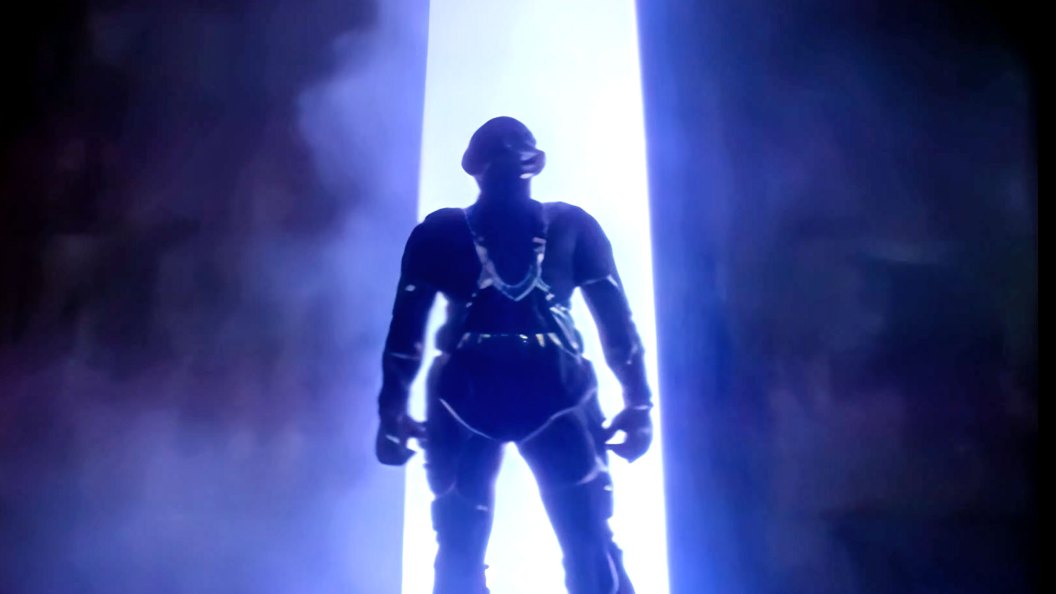
Fox had a superhero show about a Black scientist in a mechanical suit. He could run, leap over cars, and throw criminals around like rag dolls. Pretty cool, right? But M.A.N.T.I.S. had bigger things on its mind. Created by Sam Raimi and Sam Hamm, the series started with a Black hero trying to make a difference in a city that had plenty of reasons to distrust the people in charge. Then Fox reworked the show, and the original idea took a hit.
The strange part is how quickly things changed. The January 1994 TV movie had a largely Black supporting cast and tackled racism head-on. When M.A.N.T.I.S. returned as a weekly series that August, four of those characters were gone. The setting had changed, too. Fox wanted more science-fiction adventure and fewer stories about the human condition. You can see why fans were upset. The network had a superhero who felt different from the usual lineup. It decided to make him fit in.
How M.A.N.T.I.S. Set Itself Apart From Other ’90s Superhero Shows
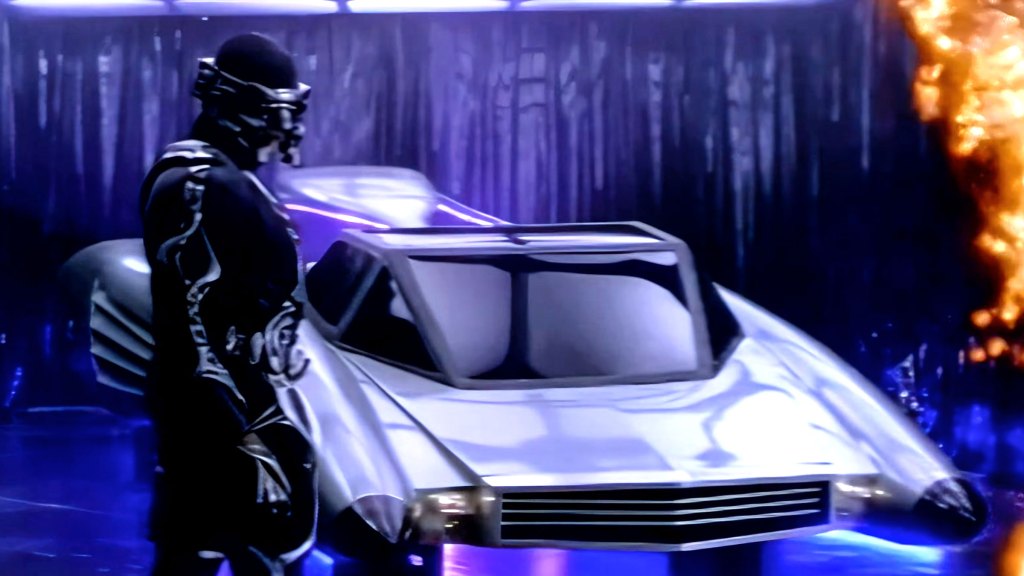
Dr. Miles Hawkins wasn’t your typical superhero. Played by Carl Lumbly, he was a brilliant biophysicist who became paralyzed after being shot while saving a child during an urban riot. He developed an exoskeleton that restored his mobility and gave him extraordinary abilities. The suit was called the Mechanically Augmented Neuro-Transmitter Interactive System. Yes, that’s a mouthful. Thankfully, the show went with M.A.N.T.I.S. The original TV movie also gave Hawkins a community around him. His assistants were Black characters with their own roles in his work, and the story dealt openly with racism and urban inequality. This wasn’t just another guy putting on a costume to beat up criminals.
That was the exciting part. Raimi and Hamm had helped create a superhero story with a different point of view. Hawkins was a scientist first, a crime fighter second, and a man dealing with a world that didn’t always give him a fair shot. The exoskeleton made for a great hook, but the ideas behind it gave the show its personality. Even the pilot’s setting felt different. Ocean City was gritty and politically charged, not some generic city waiting for a hero to arrive. The show had room to explore what justice looked like when the problems ran deeper than a few bad guys. Then Fox ordered a full series, and the people in charge started making changes.
How Fox Changed M.A.N.T.I.S. and Undermined Its Original Vision
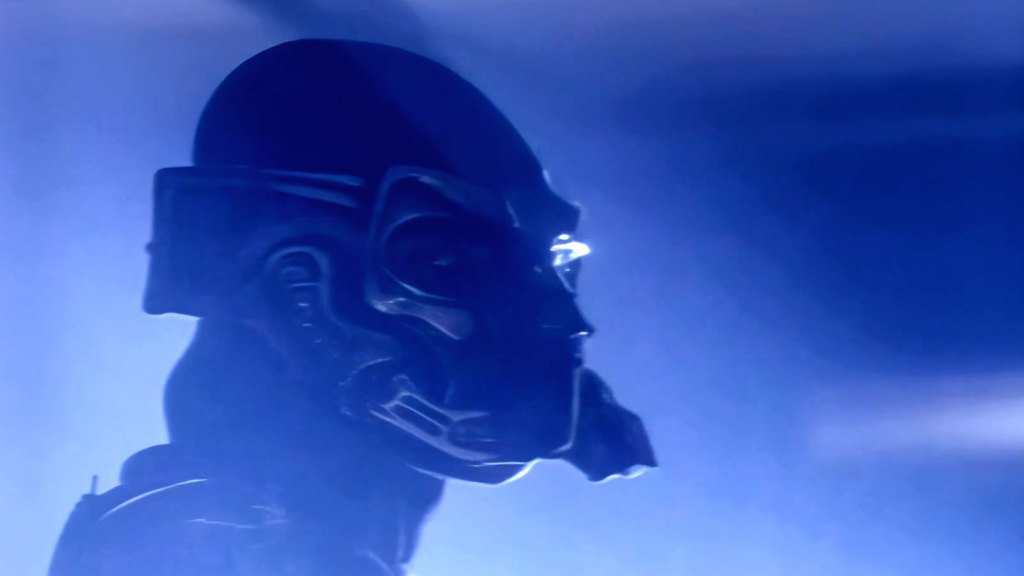
When the weekly series arrived, the cast looked very different. The four Black supporting characters from the pilot were cut. In their place came new regulars, including Roger Rees as John Stonebrake, Hawkins’ British scientific partner. The action moved to Port Columbia, a fictional West Coast city, and the racial references largely disappeared. Fox executives said the changes were creative decisions. They wanted more room for stories and a stronger fantasy element. Gina Torres, whose character was dropped, disagreed with the direction. She said the pilot had been doing something unique. It’s hard to argue that the show hadn’t lost something important. Hawkins was still the hero, but the world around him had changed.
The series didn’t stay grounded for long, either. As the episodes rolled on, M.A.N.T.I.S. wandered into time travel, parallel worlds, and increasingly outlandish science fiction. There’s a certain charm to that kind of 1990s weirdness. A superhero in a mechanical suit fighting bizarre threats sounds like a perfectly good Saturday-night show. But the original pilot had promised something more distinctive. Fox wanted a broader adventure series and ended up with a show that struggled to find an audience. It was canceled after one season. We’ll never know whether the original version could have lasted longer, but the changes remain a fascinating example of television second-guessing itself. M.A.N.T.I.S. had a rare opportunity to tell a different kind of superhero story. The network changed course before it had much time to prove what it could do.
In the end, M.A.N.T.I.S. had the suit, the science, and a hero who could have brought something genuinely different to superhero television. What it didn’t have was a network willing to stick with that vision. Fox wanted a bigger adventure and got a one-season curiosity instead. Turns out, the real superpower television executives needed was knowing when to leave a good idea alone.
