


Articles
4 Liminal Horror Movies You Need to Watch After Backrooms, and How Scary They Are
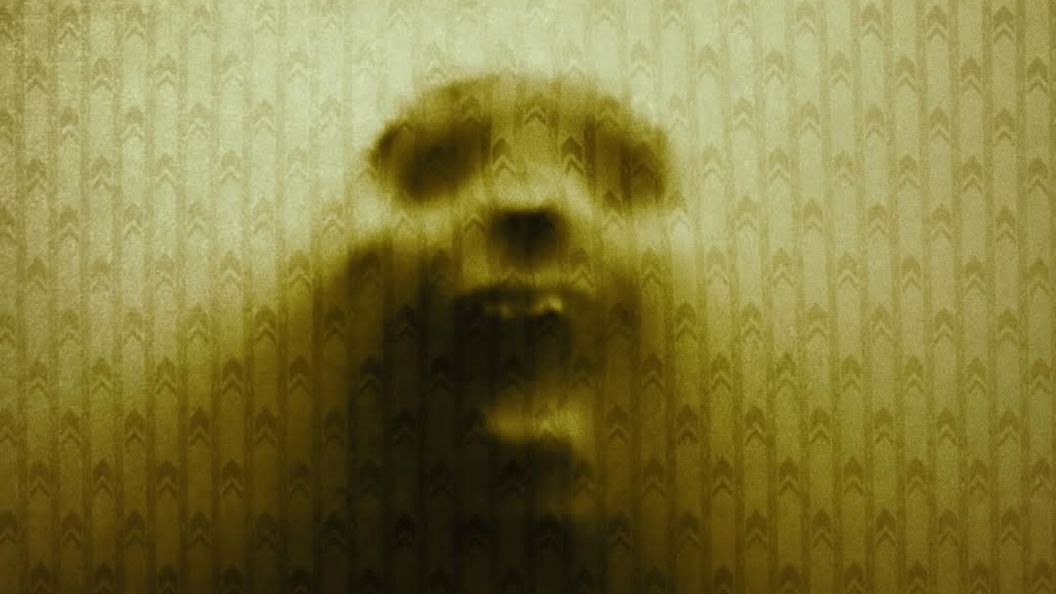
Backrooms was a surprising success this year, dominating the box office and beating out even bigger blockbuster movies along the way. Based on a YouTube series by Kane Parsons that itself was based on liminal-space creepypasta photographs, the movie takes a man and his therapist into a labyrinth of yellow-colored rooms in a world that might not be our own. Parsons directed the movie based on his series, and he impressed critics and audiences alike with his depiction of liminal spaces, offering a scary and highly original horror movie that was not only a box office success, but a terrifying experience as well.
Liminal space movies are nothing new, and while Backrooms is the latest to master the form, it is not anywhere near the best, and several movies in past years have done it even better. The term describes built environments that seem familiar but also uncanny and surreal, evoking a sense of nostalgia or unease. The best liminal space movies put both the characters and viewers in a sense of unease and discomfort, making already horrific moments even more damaging.
4) Vivarium
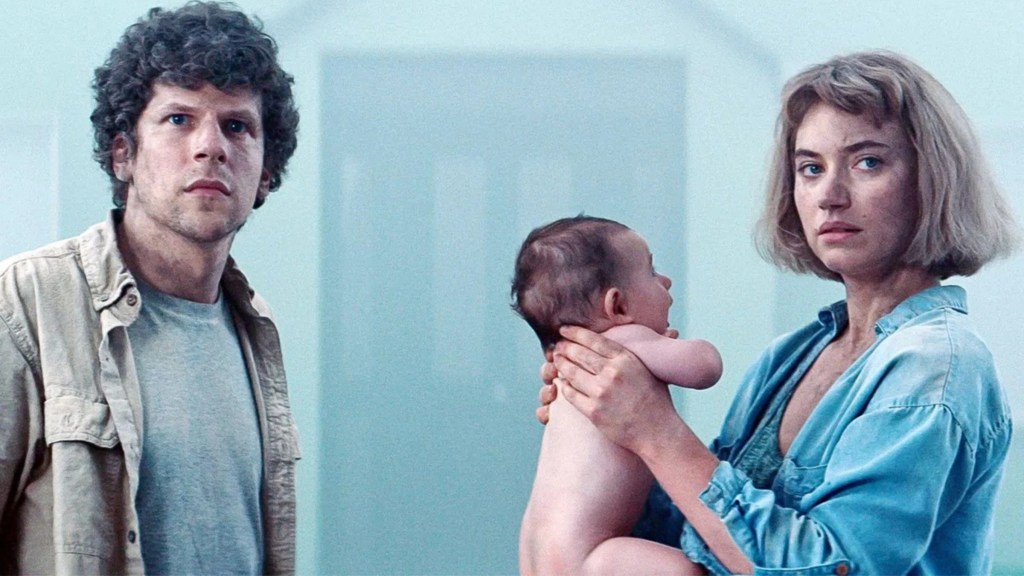
Vivarium is one of the lesser-known liminal space horror movies, a sci-fi psychological thriller that has an entire suburban housing development called Yonder as the liminal space, rather than an enclosed space or rooms. The movie offers up a trap for a young couple who are looking for a new home, but find themselves trapped in the suburban housing development without finding any way to escape it. Instead, they are given a baby to raise and told the only way they will ever escape is to care for it as it grows up.
Jesse Eisenberg and Imogen Poots star as the young couple, and they soon learn there are no other people in the community. Even as they try to get out of the neighborhood, they continuously get turned around and can’t find their way out, realizing they are trapped and there is nothing they can do but comply. The neighborhood has all the signs of liminal spaces, from its uncanny valley design with painted clouds and a weird symmetry to the existential dread that comes with being trapped in domestic life. The ending is also a gut punch, showing the horror that no one can escape once they end up trapped in this life.
3) Lost Highway

David Lynch has mastered liminal spaces in his work for years, from Eraserhead and Mulholland Drive to his masterwork TV series Twin Peaks. He has even used them to great effect in his lesser-seen movies, such as the brilliantly dark and twisted Lost Highway. This movie starred Bill Pullman as a jazz saxophonist named Fred Madison who received unmarked videotapes showing that someone was watching him and his home. When he is arrested for his wife’s murder and placed in jail, he suddenly changes into a young mechanic named Pete Dayton (Balthazar Getty).
The entire movie is a psychological horror thriller where nothing is ever as it seems. That makes the liminal spaces so important to keeping the viewers off balance throughout the running time. Lynch uses liminal spaces, including winding desert roads, dark hallways, and the more metaphysical space between waking and dreaming, to tell his story of fractured identity, paranoia, and guilt. It is the unease of these moments, especially when trying to differentiate between fact and fiction, that delivers the terror of Lost Highway.
2) The Shining
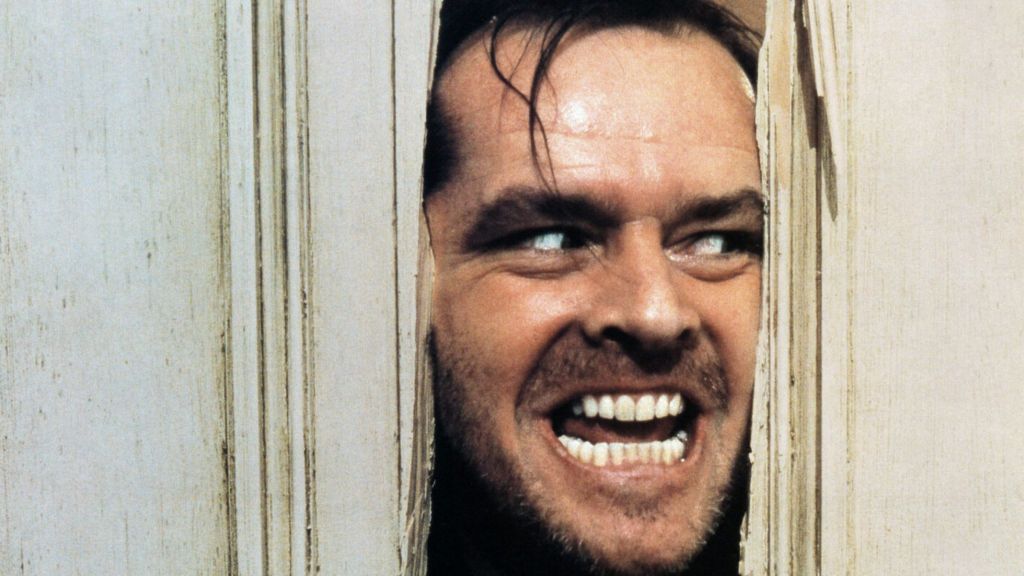
One of the most famous examples of liminal spaces comes with the design of hotels in the real world. With the carpet designs, the long hallways, and the fact that they are mostly used as transitional zones, hotels offer up a psychological idea that people are not where they are supposed to be and are only passing through. This is one thing that Stanley Kubrick used to perfection in his horror masterpiece The Shining. The Overlook Hotel is a giant liminal space.
This is shown inside the hotel, especially when little Danny is riding his Big Wheel tricycle through the labyrinth of hallways. It is shown in the chase scene when Jack is trying to kill his wife, Wendy. It is also masterfully done outside the hotel when Jack is chasing Danny through the hedge maze during the snowstorm, where he gets lost and freezes to death. The movie also takes into account the idea of a hotel as a liminal space when it shows that Jack has always been there at the end. The Shining is the most terrifying liminal space movie ever made.
1) Cube
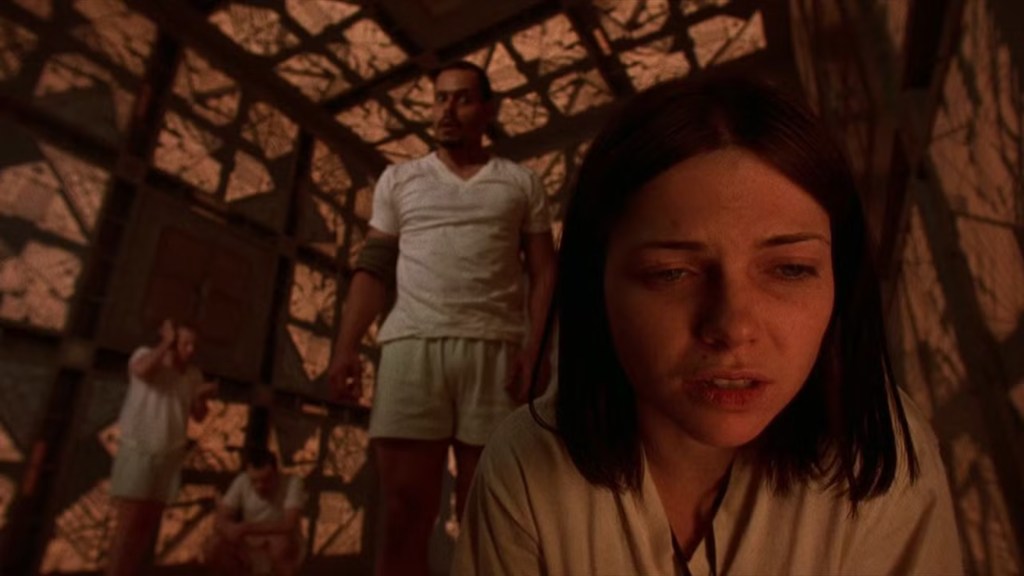
Cube is the perfect liminal spaces movie, and it is one that was easily the precursor to something like Backrooms. Instead of similar yellow colored rooms that the protagonists pass through, Cube offers up a series of cubed rooms that are all the same size but all offer dangers for the people trapped inside them. In addition to being the precursor to a movie like Backrooms, it is also a movie that operated in the same playground as Saw years later, with the cubed rooms featuring traps the victims have to work through.
Directed by Vincenzo Natali, Cube is an independent horror movie from 1997 that follows seven strangers waking up in a mysterious, endless mechanical labyrinth of interconnected cubic rooms. Some rooms are safe, while others have hidden lethal traps triggered by mathematical codes marked by prime numbers. The group has to figure out why they are there and solve the puzzles to live. It is a claustrophobic horror movie that uses liminal spaces to perfection.
What are your favorite examples of liminal space horror movies? Let us know your favorites in the comments below.
