


Articles
20 Years Later, an Overlooked Sci-Fi Masterpiece with a 92% Rotten Tomatoes Score Is Better Than Ever
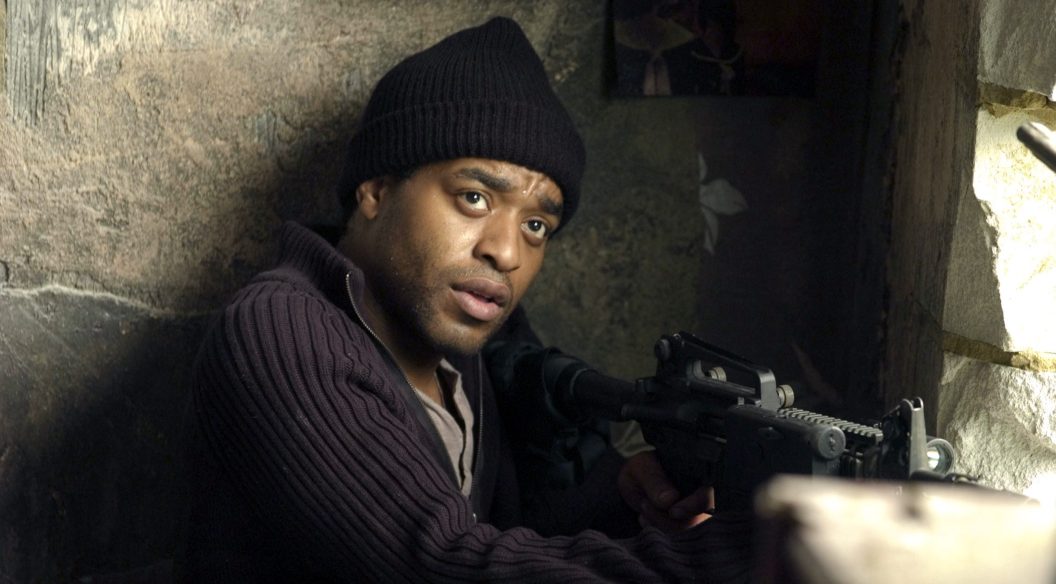
In the last decade, it has become hard to predict which movies will become box office successes and which will be the next expensive bomb. However, even 20 years ago not every film that deserved to be a hit found its audience during its theatrical run. That was especially true of movies that appeared to be dour dystopian dramas without the kind of blockbuster effects that used to be able to drive audiences into cinemas in their millions. One of the best movies of 2006, and in fact the decade, was such a film, which found itself being buried in a packed release schedule and failing to make back its budget as a result. That was Alfonso Cuarón’s harrowing adaptation of P.D. James’s novel Children of Men, which is 20 years old this year and has become an even better movie than when it was first released thanks to the situation many find themselves in around the world.
Set in Britain in 2027, Children of Men takes place at a time when humanity has become infertile, with no children being born in almost two decades. With authoritarian chaos causing society to crumble, it is tasked to Clive Owen’s weary bureaucrat to escort one of the first pregnant women to the safety of a refugee camp to attempt to save the human race from extinction. The movie brought with it a strong ensemble cast including Michael Caine, Chiwetel Ejiofor, and Julianne Moore, with the superb acting and direction helping the movie land a strong 92% score from critics on Rotten Tomatoes. Yet for all that praise, by the end of its theatrical run, Children of Men had made just $70 million worldwide, which fell short of its $76 million budget.
Box Office Failure Was Countered By Later Success
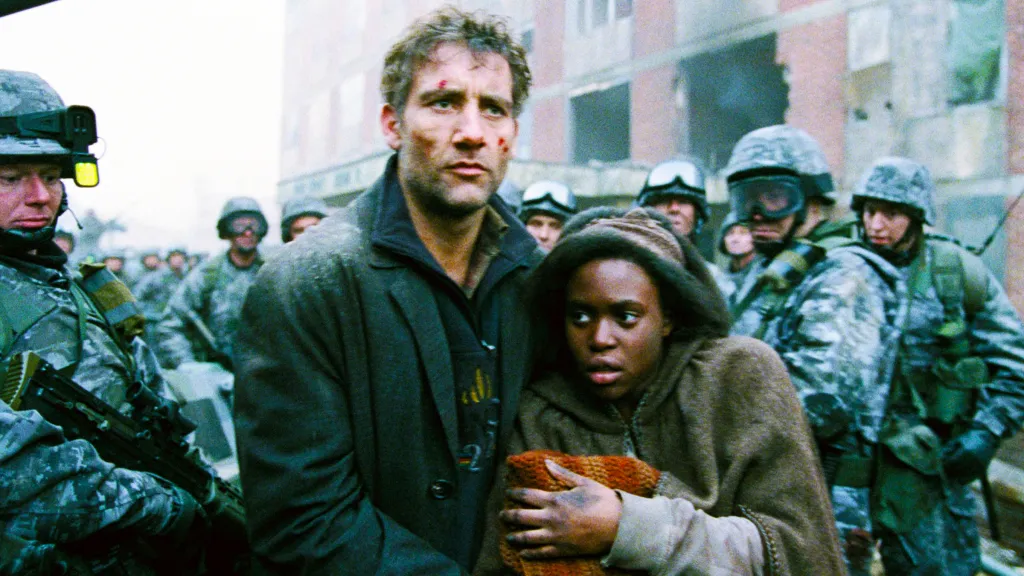
Overlooked by audiences thanks to its low-key release and bare-minimum marketing, Children of Men was always destined to be a box office underdog. Released in December 2006, the film was on the backfoot from the start when releasing just after Daniel Craig’s James Bond debut in Casino Royale and around the same time as feel-good festive rom-com The Holiday. In comparison, turning out to cinemas to see a dour tale of woe and sorrow as Christmas approached was not everyone’s idea of a good time, and they simply didn’t bother. Yet quality always has a way of finding viewers eventually and Children of Men was forced to work its way into the public consciousness the hard way through home video release, awards accolades, and word of mouth in the months and years after its original release was long over.
The driving force of Children of Men is considered to be its cinematography and direction, which brought a gritty realism to the film through some long and expertly crafted single-shot sequences that put viewers right into the chaos of frantic chases and claustrophobic moments as characters attempted to hide from their pursuers. Two stand-out scenes included a car ambush filmed inside a moving car with a one-take, real time view of the terrifying scenario, and the final act featuring a battle through Bexhill refugee camp in the last desperate moments. The immersive storytelling of the movie turning it into an almost documentary style of filmmaking that really ramped up the urgency and desperation of Owen’s character as he attempted to complete his task and help stop the death of humanity. This helped the film win three Academy Awards, including a cinematography award for Emmanuel Lubezki, and numerous other statues and gongs that would help alert audiences to it in the years that followed.
A Dystopian Future That Has Caught Up With Our Present

When Children of Men was released in 2006, the film’s predictions of the future were more than two decades away, which always seems like a lifetime away until it has passed. Just like other movies such as Blade Runner and Back to the Future Part II, both of which predicted futures decades away from their release dates, Children of Men‘s 2027 setting is now not a distant future but close enough to touch. The difference this time is that the greyscale tale of mass migration, closed borders and political authoritarianism is not the same as digital skyscrapers and flying cars. It is a grounded, stark reality that in many ways could always be just around the corner and in some ways is already here. News reels are filled with images of detained refugees, nationalist crackdowns, and a society that always seems to be teetering on the edge or war or disaster.
Yet the one thing that should be remembered is that for all the gloom and despondency of Children of Men‘s story, the main theme of the film is hope. The promise of newborn child in a world where that seemed impossible is shown to be the symbol of hope that can dispel threats of violence and change allegiances in a balance of dread and underlying salvation that is almost palpable. With the film’s setting being only a year in the future now, the film is even more appropriate to the times we live in then it was when it was released, and that is the kind of thing that really defines the meaning of a masterpiece. For those who have never seen the film, there could not be a better time to sit down and soak up Children of Men. It may not be a bright, joyful blockbuster movie, but it is one that will stay with you long after the end credits roll.
Have you seen Children of Men? Could we find ourselves in this kind of dystopian future before the end of the decade, or are dystopian realities still just the stuff of science fiction? Let us know in the comments.
