


Articles
Even the X-Men Couldn’t Stop These 5 Terrible Disasters (And They Make House of M Look Harmless)
The X-Men are returning to the big screen as part of the MCU, with various mutants already popping it and bringing big pay days with them. There’s a lot more focus on the X-Men than ever, with fans who dropped off when the team stopped making movies catching up on years of lore, as well as new fans falling in love with the team and doing their best to absorb almost 70 years of X-history. There are some recurring themes throughout the history of the mutant race and one thing that repeatedly pops up with Homo Superior is an undercurrent of disaster. Bad things happen to mutants, with one of the worst being the depowering of the mutant race by Scarlet Witch in House of M, a development that took almost a decade to be undone.
The mutant race was lowered down to under two hundred people and things were consistently bleak. The X-Men were able to keep their people safe throughout this period, pulling mutants back from the brink every time things got bad. However, looking back over the history of the mutant race, there have been numerous times when the X-Men have failed to stop disaster befalling their people. The X-Men were unable to save mutants from these disasters and all of them make House of M look like a cakewalk.
5) “Mutant Massacre”
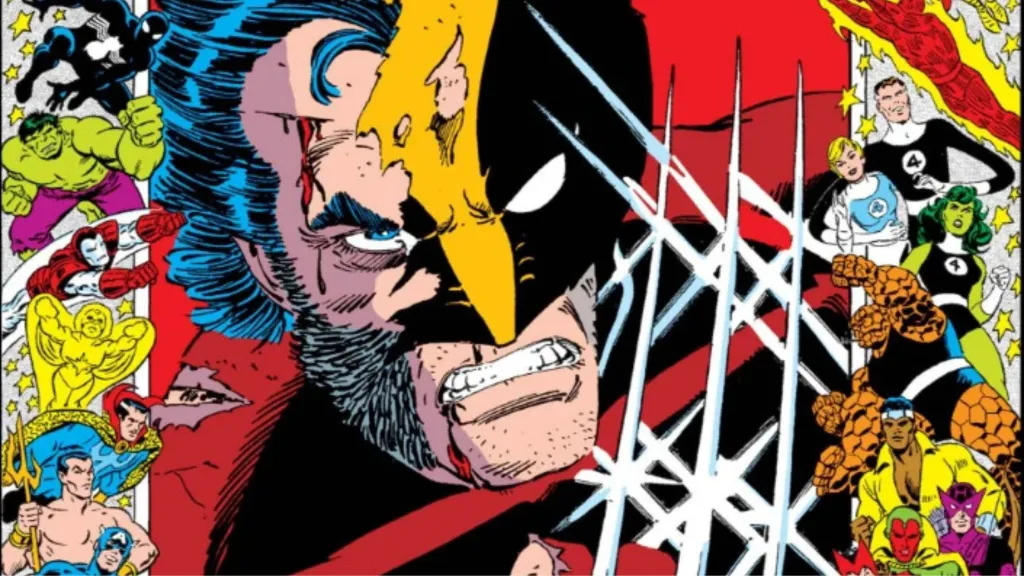
The ’80s were the X-Men’s greatest decade, with the best stories in the team’s history coming during this time. Writer Chris Claremont was on fire and began a cycle of disaster that would define mutants in the years to come, with “Mutant Massacre” being one of the first major examples. 1986’s big summer crossover ran through Uncanny X-Men, The New Mutants, X-Factor, Thor, Power Pack, and Daredevil, with the Marauders going down into the Morlock Tunnels to destroy the disfigured, often monstrous, sewer-dwelling mutants. It represented the end of a major part of X-Men history. Now, I know a lot of people who know the story will think that there’s no way it can compare, let alone be worse, than House of M but when it comes right down to it, the deaths of the Morlocks and the failure of the X-Men to defend their people defined the team in the years to come after this story. It was the first time they failed on this level; the group was also beat to Hell after the story in a way they weren’t after House of M. There were a lot less mutants back then and the dead Morlocks represented a significant portion of them, their deaths weakening the burgeoning mutant race. It also showed that the X-Men couldn’t always save the day for their people, something that would keep popping up over the years.
4) The Establishment of Krakoa
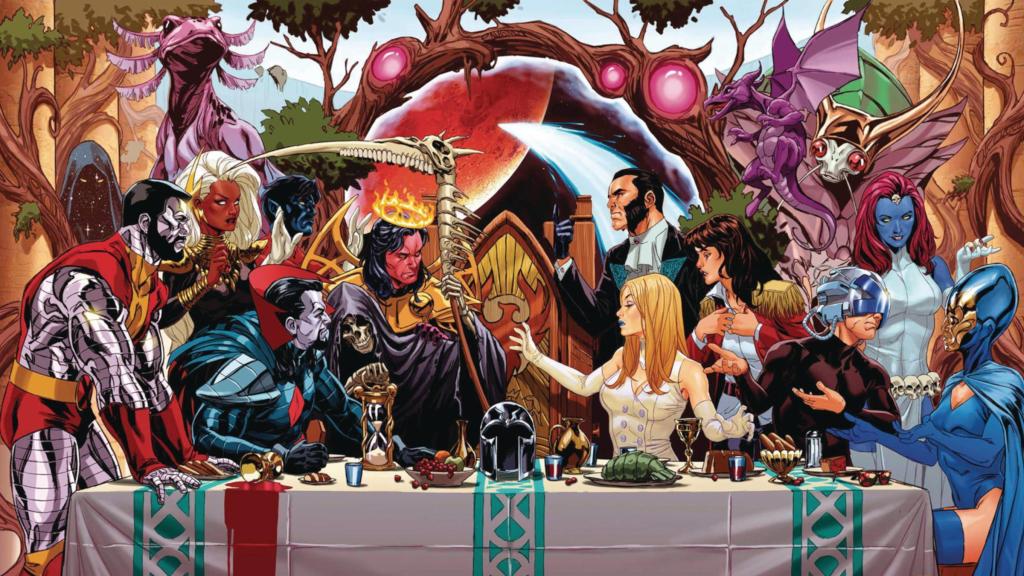
On the one hand, an argument can be made that the establishment of the mutant nation of Krakoa is a good thing. It gave the mutant race time to lick their wounds and come back together after years of disasters kept them constantly trying to take a break from all the death. Various characters were resurrected, many of them got a lot more powerful, and some were able to reach new levels of importance. However, Krakoa was a mutant ethnostate surrounded by enemies trying to bribe them and intimidate them. They were combative and intentionally provocative to the human race. The nation was founded on a foundation of secrets and manipulations, built around the rotten core of Moira MacTaggert, who had been driven nearly mad by life after life of failure. The entire thing was a disaster from the beginning – the Quiet Council had members who worked with the Nazis decades ago – and was always going to lead in terrible directions. Things are worse than ever because of Krakoa, leaving the X-Men in a much worse place. It even led to a conflict that almost destroyed not just mutants, but the entire mutant race.
3) M-Pox
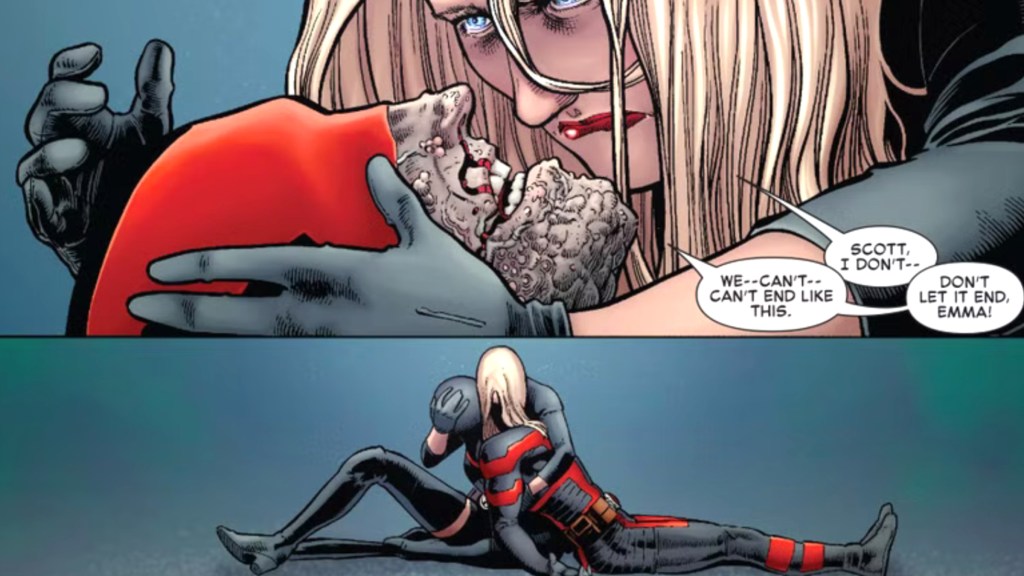
Marvel tried to replace the X-Men with the Inhumans because of film rights in the mid to late ’10s, with the M-Pox being the cause of this. Black Bolt had released the Terrigen Mists into the Earth’s atmosphere, and it was eventually learned that it was toxic to mutants in greater concentrations, causing the M-Pox. The virus wasn’t always fatal, but it damaged everyone it touched, sterilizing survivors and/or taking their powers, which was a problem since the mutant race had only just begun to grow again. The X-Men did everything they could to try to cure it, but eventually had to work to evacuate the mutant race from Earth, starting Haven in Limbo, with Magik holding back the demons of the timeless hell. The team’s big brains couldn’t crack the virus and come up with any actual solution, and mutants suffered greatly (as much from the fake sympathy from the Inhumans and other heroes who just kind of dropped the X-Men). Eventually, the only hope was destroying the Mist clouds, the Inhumans giving up their future after a short but fierce war so that mutants would have one. In the end, the X-Men did help where they could, but the M-Pox took their home away from them in a way that nothing else had before. M-Pox would have destroyed the mutant completely, leaving nothing behind, unlike House of M.
2) The Legacy Virus
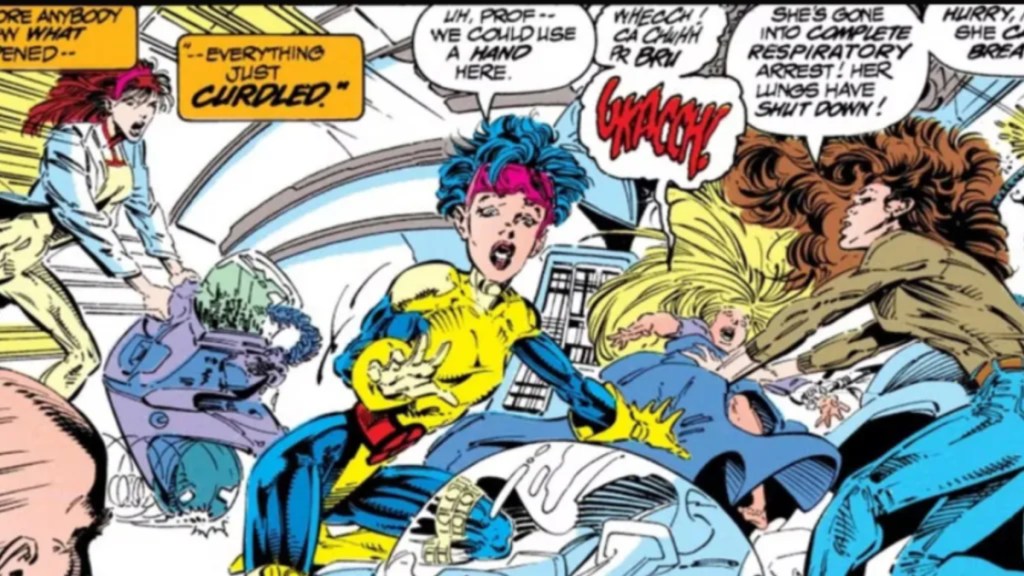
The Legacy Virus was one of the most terrible things to ever happen to mutants. One day, they started getting sick, losing control of their powers, and eventually started dying, some of them exploding in bursts of power and hurting the humans around them. It was all the work of Cable’s evil clone Stryfe, who brought the virus from the future and fooled Mister Sinister into releasing it, because of course Mister Sinister would do that. Beast and Moira MacTaggert would take the lead in researching the virus, trying their best to save young Illyana Rasputin, de-aged to her true chronological age, and failing. MacTaggert, believed human, came down the virus and would end up dying before curing it (although she was really replaced with a Shi’Ar homumnculus and that was who died). Beast would carry on her work and was able to cure it, with Colossus sacrificing his life in the process in honor of his sister. The X-Men did what they could, but in the end were almost completely powerless to stop the virus, let alone slow it down or mitigate its worst symptoms. It was an existential threat to mutants in a way House of M wasn’t and it defined an entire era of X-Men stories.
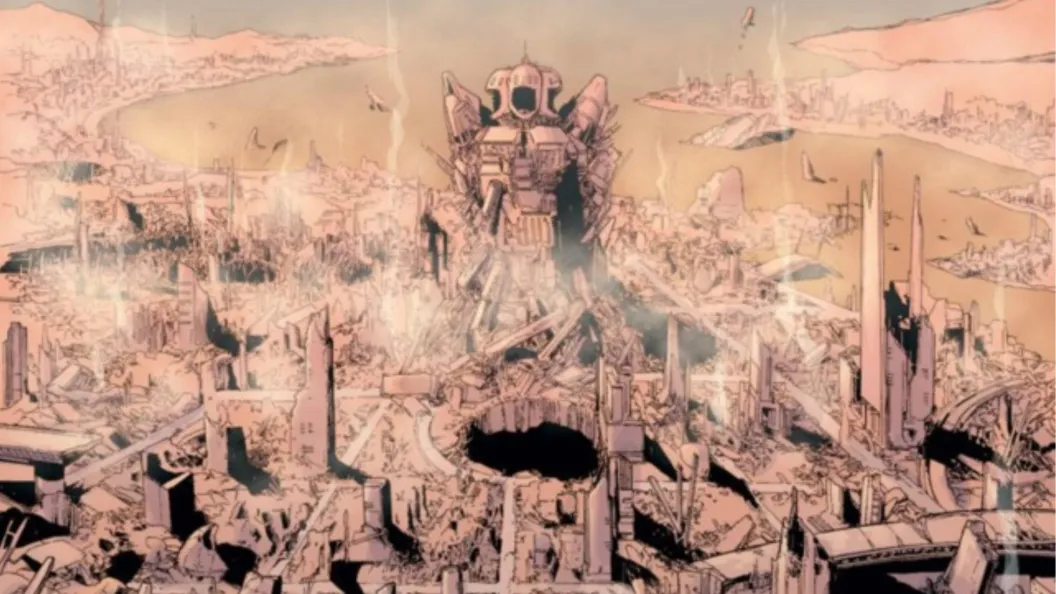
1) The Destruction of Genosha

New X-Men kicked off the 21st century with revolution, changing the X-Men as Grant Morrison and Frank Quitely knocked readers socks off with “E Is for Extinction”. This story introduced readers to Cassandra Nova, a new X-Men villain who would commit the greatest attack on mutants in the world’s history. She got her hands on a wild Master Mold in the Ecuadorean jungle, one which created Sentinels from any piece of technology it could get, using the last relative of Bolivar Trask’s family to take control of it and launch three Mega-Sentinels. Wolverine and Cyclops, already out on a mission, got there too late to stop them and ended up getting distracted by a battle with Nova instead of figuring out what the launches were. This gave the Mega-Sentinels time to begin their attack on Genosha, adapting to every assault and incorporating new technology they absorbed as the attack progressed. Sixteen million mutants died in minutes. While this attack wasn’t one that would have destroyed all of the mutants, this amount of casualties in such a short time is honestly kind of flabbergasting and House of M pales in comparison. Mutants probably died because of House of M, but not in the kind of numbers they did here, and it’s been a scar on mutantkind ever since (although technically, everyone has been resurrected, with most of them staying on Krakoa in the White Hot Room of the Phoenix).
