


Articles
The Most Far-Fetched But Still Awesome ’80s Fantasy Cartoon Ended 37 Years Ago, And We’re Still Waiting on the Reboot
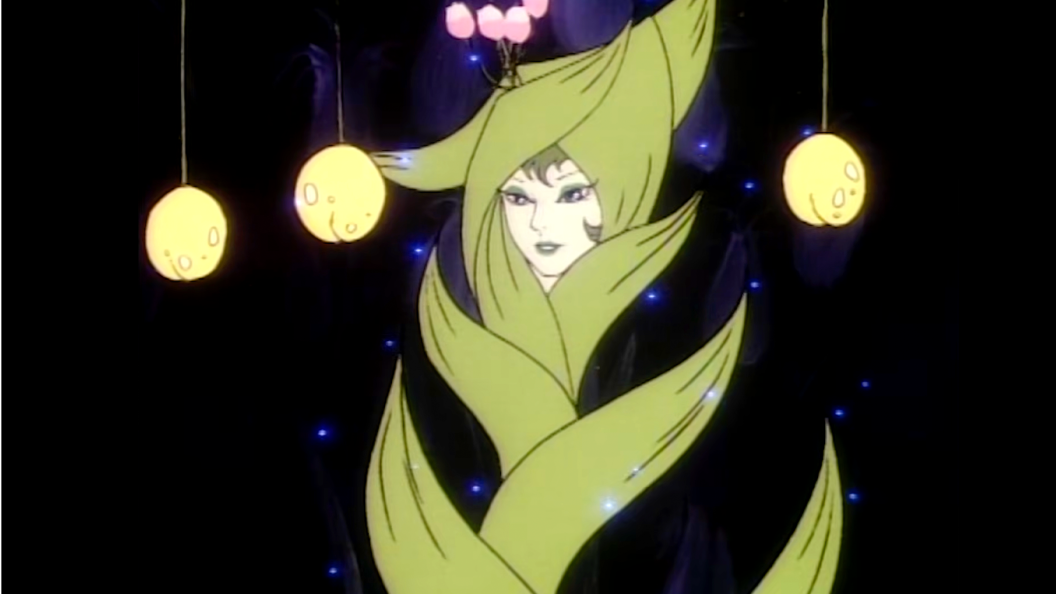
There was a particular kind of magic to ’80s cartoons that is difficult to explain to anyone who didn’t grow up with them. You could come home from school, drop your backpack somewhere it would remain until Monday, turn on the television, and instantly be transported to a whole other world. For many kids, it was a place they looked forward to where ancient magic, impossible monsters, giant castles, and talking animals were all perfectly normal.
For one generation of fans, that question somehow produced something far stranger and more memorable than it had any right to be. It was a fantasy adventure with a world of its own, a villain who looked like a mummy and sounded like the end of the world, and a hero who could raise one very particular sword and make an entire room of kids yell along with him. Then, 37 years ago, its original run came to an end. And while there has been one major attempt to bring it back, fans are still waiting for a revival that understands what made the original so special.
ThunderCats Ended in 1989, But Its Magic Never Really Went Away
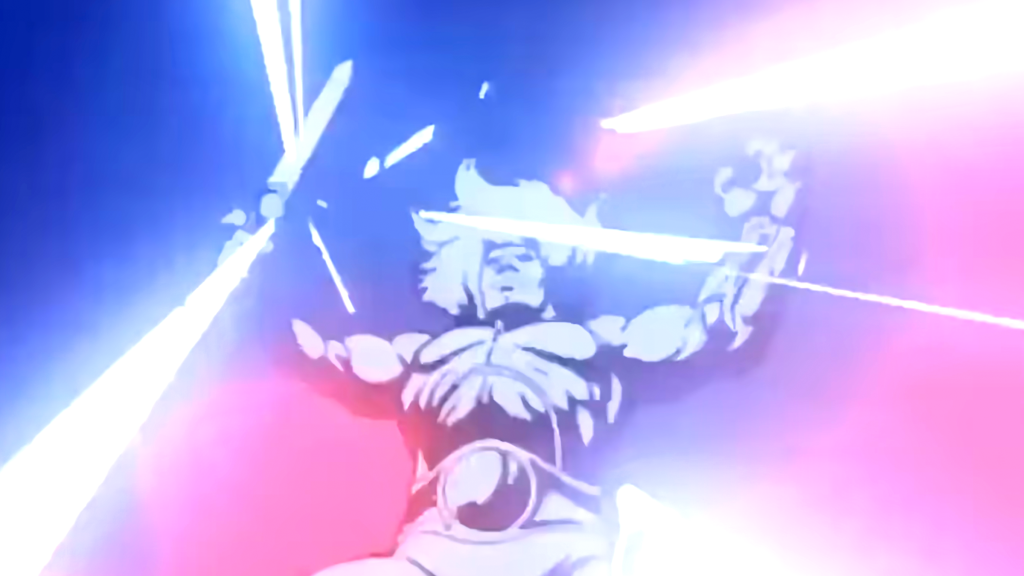
On September 29, 1989, ThunderCats came to an end after the final episode The Book of Omens aired. Up to that point, Lion-O had been fighting Mumm-Ra, swinging the Sword of Omens, and shouting “ThunderCats, ho!” for four seasons. There were magical swords, talking animals, ancient ruins, mutants, monsters, and plenty of mythology. When the show was riding high, Lion-O was a young leader of a group of ancient-looking cat warriors. Their enemy, Mumm-Ra, was basically a living mummy who could transform into a more powerful version of himself. And that particular combination is a lot harder to recreate than it looks. It’s what makes this cartoon a nostalgic sci-fi show every 1980s kid remembers.
And the show’s ending was an unexpected disappointment. The Thundercats defended Third Earth for a good amount of time. Yet, the final episode was far from a blockbuster, definitive ending. The series had progressed into shorter arcs and the budget was drying up. These were unfortunate factors for a cartoon deserving of more. The frustrating part is that ThunderCats never felt like a show that had run out of places to go. Third Earth was still a huge, fantastic playground. Mumm-Ra was still lurking around while Lion-O and the other Thundercats had plenty of room to develop. There was always another ancient secret to uncover, another monster hiding somewhere in the wilderness, or another ridiculous scheme for Mumm-Ra to cook up. Instead, the series simply faded away, leaving behind the feeling that the story had ended because the television schedule said it was time, not because the world itself had reached a natural conclusion.
For kids watching at the time, that probably wasn’t something they thought much about. Cartoons came and went. But for fans looking back decades later, that’s exactly what makes the ending sting a little more: ThunderCats didn’t feel finished. It felt interrupted.
The 2011 Thundercats Reboot Had Fans, But It Changed What Made the Original So Special
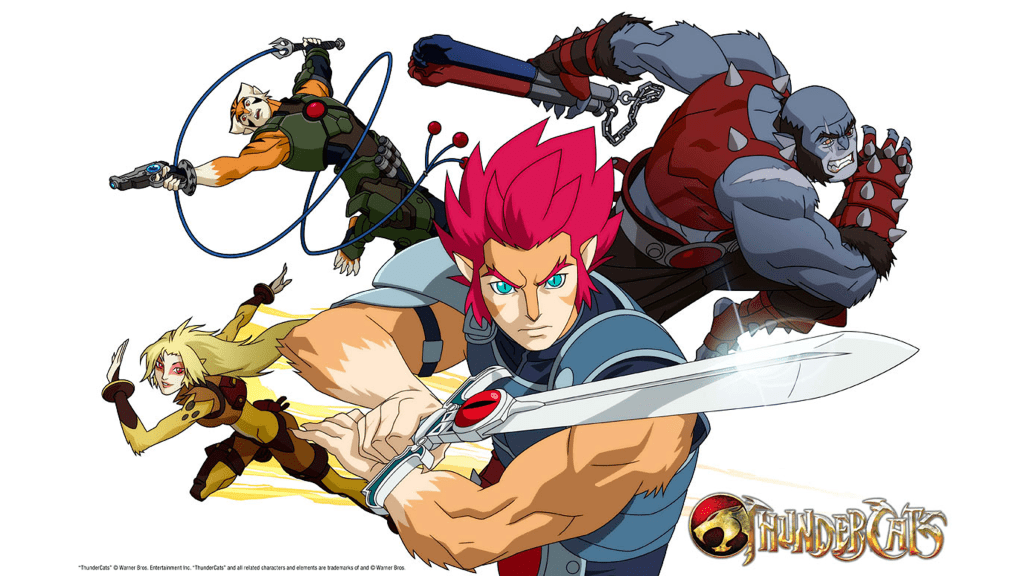
Surprisingly, the cartoon series did have one attempt at a reboot back in 2011 on Cartoon Network. With that, there was a new visual style, a serialized story, and a very different take on Lion-O and his fellow Thundercats. The series received praise for its animation, which was done by the Japanese company Studio 4°C. It even introduced some surprisingly serious material for a show carrying the ThunderCats name.
But there were plenty of problems, especially for fans hoping the original story would return: this wasn’t really a continuation of the original show’s personality. It took the characters and mythology and rebuilt them as a serialized coming-of-age drama. Lion-O was an insecure young prince, Tygra was his jealous adopted brother, and the relationship drama became a much bigger part of the story. That approach has its defenders, and there is nothing wrong with wanting a more serialized ThunderCats. And then there was the rather ridiculous change that the cats were an oppressive empire, while the lizards were the poor victims.
Then came ThunderCats Roar in 2020, which took the franchise in an even more unexpected direction. Rather than returning to the fantasy adventure and dramatic mythology of the original, the series leaned heavily into broad comedy and a deliberately exaggerated cartoon style. There were fans who enjoyed that approach, but it proved even more divisive among longtime viewers who wanted to see the original spirit brought back rather than turned into a full-blown comedy. After two very different attempts, it was becoming increasingly clear that finding the right tone might be the hardest part of bringing these cats back home.
The trouble is that it moved so far from the original’s perfect mixture of fantasy RPG adventure, mythology, humor, and larger-than-life Saturday-morning fun. Many fans expressed their disdain for the weird love triangle between Lion-O, Tygra, and Cheetara, which became one of the more distracting elements of the new series. In retrospect, even the 2011 animation style hasn’t aged particularly well in comparison to the original series. The original show was animated by Pacific Animation Corporation, a Japanese studio that was later acquired by Disney. Its art style had the mature, realistic, hand-shaded look that characterized much of mid-’80s anime. That distinctive style gave ThunderCats a properly matched visual identity. Unfortunately, it has become even more noticeable over time as cleaner, more polished digital animation has become the mainstream standard.
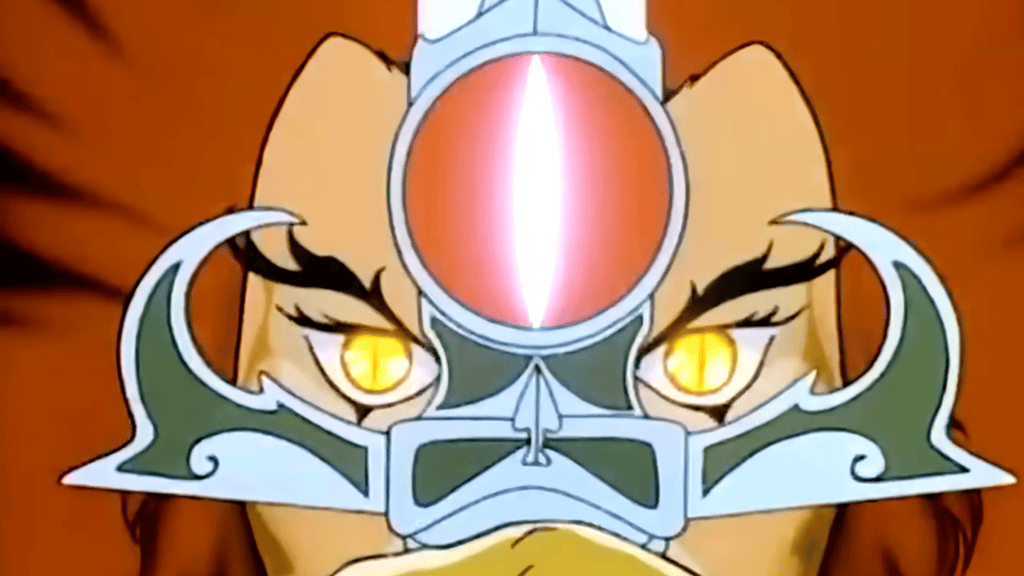
And maybe that’s why ThunderCats still feels like it is waiting for us, rather than the other way around. The cartoon is also begging for a movie. Third Earth had plenty of adventures left in it—it just needs the chosen one to finally raise the Sword of Omens again and give us sight beyond sight into what a true sequel could be.
