


Articles
3 Cult 2009 Sci-Fi TV Shows That Have Aged Like Fine Wine, Including a Forgotten Book Adaptation
If you were a science fiction fan, 2009 was an incredible year for you in terms of television. There was a wealth of sci-fi series already airing — think shows like Battlestar Galactica which ended a run that many consider one of the greatest in sci-fi television that March, the David Tennant era of Doctor Who, and even the second season of Fringe — but there were sine excellent new series making their debut that year as well. Some of the shows that made their debut in 2009 would go on to run for several seasons and remain cult classics to this day. Others only got one or two seasons before ending but that doesn’t mean those shows were any less great. In fact, some have only gotten better with time, even if their stories never fully were told.
Here are three great sci-fi television series that kicked off in 2009 that have simply gotten better in the years since. Each of these three series had short runs, but even with limited episodes and somewhat unfinished stories, these shows still feel relevant, interesting, and thought provoking — and one of them does get a proper ending, but you have to go to the book it was based on for it.
3) V
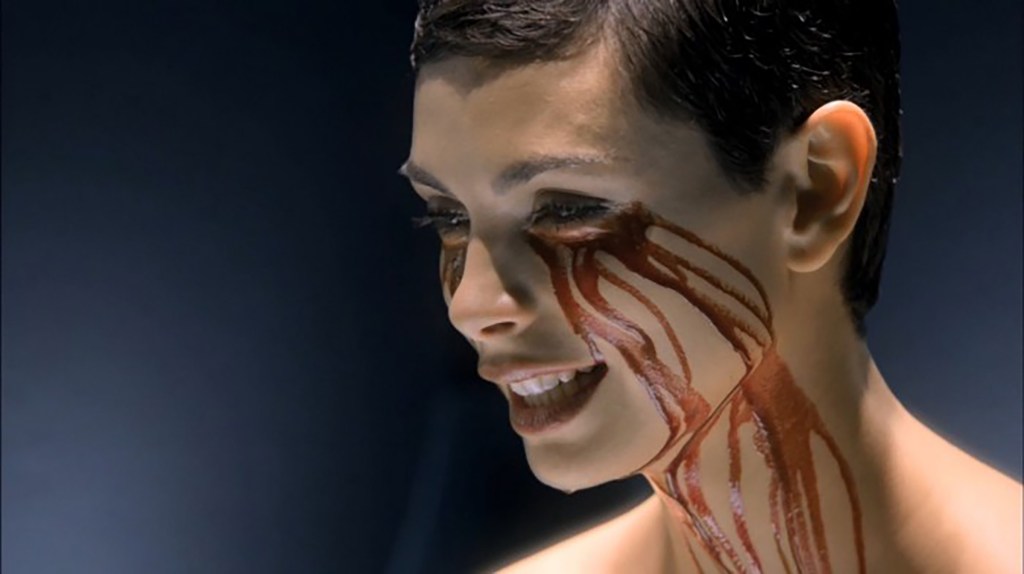
2009 saw ABC offer up V, a remake of the 1983 miniseries of the same name. The series, which starred Elizabeth Mitchell, Morena Baccarin, Morris Chestnut, and Laura Vandervoort among others, did something a little unusual for a reboot: it closely followed the plot of the original. In the series, aliens come to Earth and they claim to not only come in peace, but they have an offer of technological and medical advancements to aid humanity in exchange for a small amount of Earth’s resources. These so-called Visitors are generally welcomed as peaceful, but they have much darker and more sinister motives that a human resistance is desperate to push back against before it’s too late.
What makes V so notable is the way it handled the idea of just how willing society is to give blind trust to a charismatic leader. The Visitor leader, Anna is beautiful, elegant and very charismatic and people very easily just believe her even though the real intentions for humanity are horrific. The idea that someone in power that you think you can trust being absolutely the worst possible person (or in this case, alien) that you could trust, is something that resonates in a world where people question the true motives of various leaders and influential figures. V is also extra chilling when you consider that the show was cancelled after two seasons and the series left off with humanity losing.
2) Dollhouse
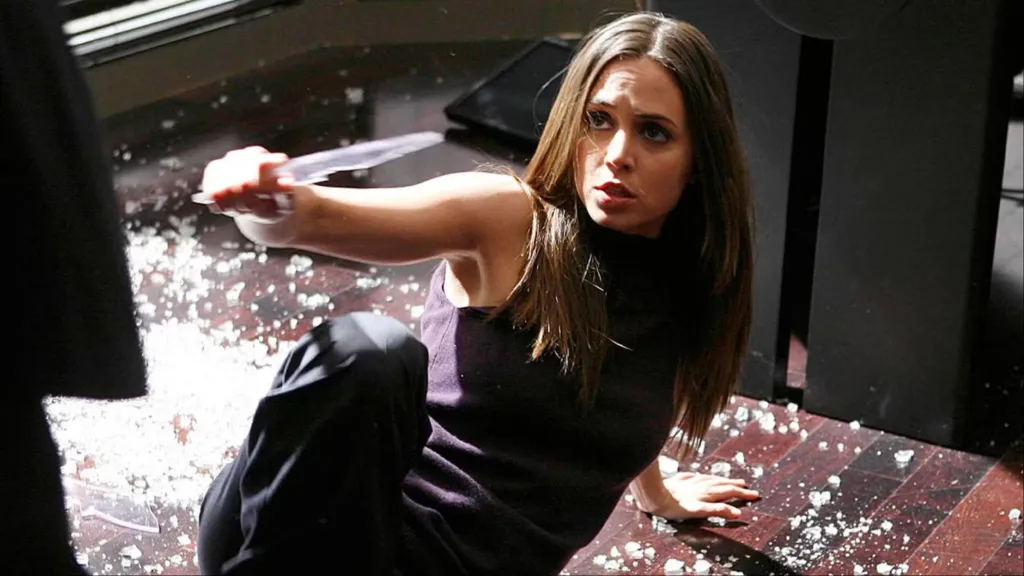
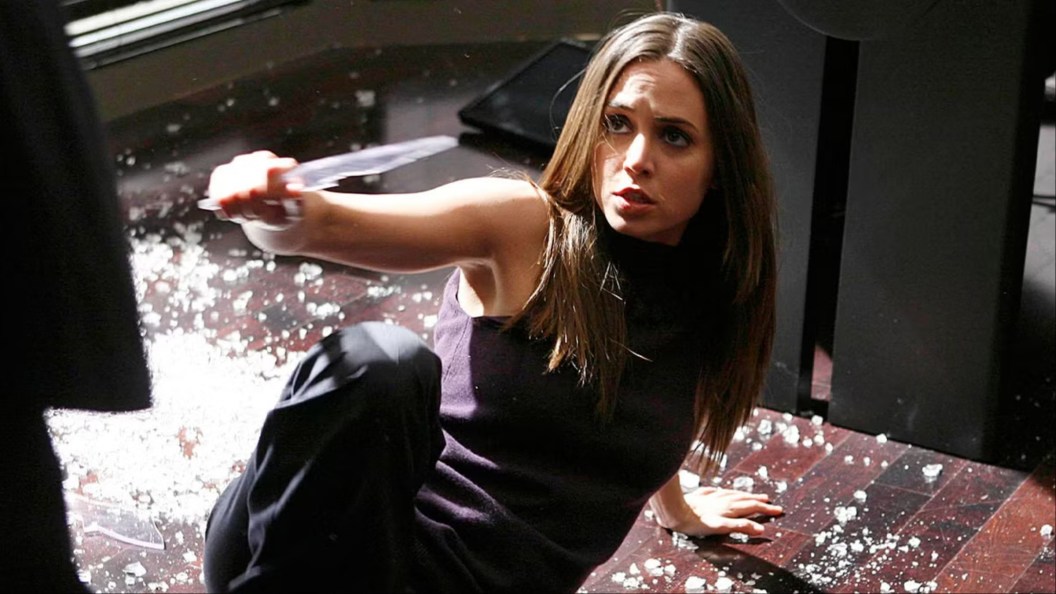
As sci-fi series go, people seem to forget about Dollhouse, which is a real shame because not only was it one of the more solid series to debut in 2009, but it remains an actual masterpiece of the genre. Created by Joss Whedon, Dollhouse aired for two seasons and 26 episodes centered around a group of people referred to as Actives, people whose memories are wiped and personalities can be replaced on demand while a corporation that runs numerous underground groups (“Dollhouses”) essentially rent the Actives out to wealthy clients for a wide array of purposes. Some of those purposes are harmless but others are disturbing, violent, or otherwise morally questionable. The story mostly focuses on an active named Echo (Eliza Dushku) who starts to become self-aware, retaining fragments of consciousness, emotions, and her own identity that cannot be erased and thus revealing serious problems with the whole process.
Dollhouse is not an easy watch even today, but what makes the show so timeless is how the series was approaching concepts of AI, consciousness, identity, the use of technological surveillance by corporations, and all of the ethics that go along with that. The show asked some big questions about what it meant to be a person and even bigger questions about autonomy. In an era where AI is having an increasing influence and role in our own society, these still feel like huge questions that we need to grapple with and Dollhouse sort of paved the way.
1) FlashForward

As sci-fi series from 2009 go, FlashForward is the one that really sticks out as a show that has aged well, but this one is kind of a unique case. It’s not that FlashForward’s story or sci-fi concept has suddenly become very of the moment. Instead, it’s a situation where the series just feels like it was built to binge watch and featured a solid, prestige cast in a time before you really saw a ton of that on television now. Honestly, if FlashForward debuted now as a streaming series it probably would have a much different fate than it did when it debuted on ABC. The series just has that kind of urgency that a week-to-week broadcast structure didn’t mesh well with, particularly when the series went on an extended hiatus.
FlashForward has a very high concept premise: the entire world mysteriously blacks out for 2 minutes and 17 seconds with those people seeing a vision of their lives exactly six months in the future. After the mysterious event, a team of Los Angeles FBI agents work to try to figure out exactly what happened and if it will happen again. The show is layered even beyond the mystery of what happened. There are serious mysteries within what people saw during the “flashforward” and the story quickly becomes a conspiracy tale within a sci-fi. The show had great momentum and truly we can’t say this enough, it was built for streaming. But it landed on broadcast, and that format just couldn’t sustain it. It was cancelled after just one season that left everyone on a massive cliffhanger when the flashforward date comes to pass. Fortunately, however, there is resolution to this story in a sense. Because FlashForward was based on a novel of the same name, you can read the book to get an idea of where things might have gone.
