


Articles
5 Movie Ripoffs That Are Actually Just as Good as the Original, And 3 That Are Better
The idea of a movie being a ripoff of another film sounds like a derogatory or negative term. In truth, it is just a term that is used when one movie pulls enough elements from something that came before it that they feel similar in several ways. It is usually not the intention of the film to be a ripoff, yet it still comes across that way. These cases are understandable because we have simply seen so many stories on the big screen that it’s almost impossible for anything to feel wholly original these days. Ripoffs often don’t mean a film is bad either.
In fact, some of the best and most memorable movies in the history of cinema are kind of ripoffs. They were inspired by something from the past, yet took what worked there and expanded on those elements. The end result is ripoffs that are either just as good as the originals or somehow manage to be even better. The ability to be inspired by something and improve upon it is a pretty rare and special thing that has been seen throughout history, including with some recent movies from the 2020s, a few projects that started franchises, and more.
5) Saltburn & The Talented Mr. Ripley

Saltburn kind of took the world by storm in 2023. The Emerald Fennell film follows a student at Oxford University who befriends a popular fellow student and gets invited to spend time at his eccentric family’s massive estate. Along the way, he gets caught up in scandalous romances, sexual desires, and more. The explicit nature of some of the acts done throughout the movie went viral and the project was also a hit with critics. Outside of the sexual elements, the story shares a lot in common with The Talented Mr. Ripley.
Released in 1999, The Talented Mr. Ripley has a familiar premise where a con artist infiltrates the home of a rich playboy and becomes dangerously close to him. Many plot points are wildly similar, from the manipulation to set things in motion by the protagonist to the way both friendships begin to deteriorate to the focus on themes of things like class envy. The Talented Mr. Ripley gets a slight edge but both movies are pretty great.
4) The Fast and The Furious & Point Break



When The Fast and the Furious came out in 2001, a lot of people immediately pointed out how it was basically just Point Break if you replace surfing with street racing. The stories are nearly identical, centering on an undercover agent who joins a gang of thieves who also participate in an extreme sport. Along the way, the gang leader and the cop forge a friendship, while the cop falls in love with one of the female members of the gang. That’s not even to mention the Los Angeles setting, the chase scenes, and similar sequences.
In fact, the closing shot of The Fast and the Furious feels like a clear nod to Point Break, as both see the officer walk away in almost the same fashion. The friendships between Johnny and Bodhi and Dom and Brian prove to be important enough for the agent to let the gang leader go. In The Fast and the Furious, it led to a huge franchise, though most people would agree that Point Break is a superior film.
3) Toy Story & The Brave Little Toaster
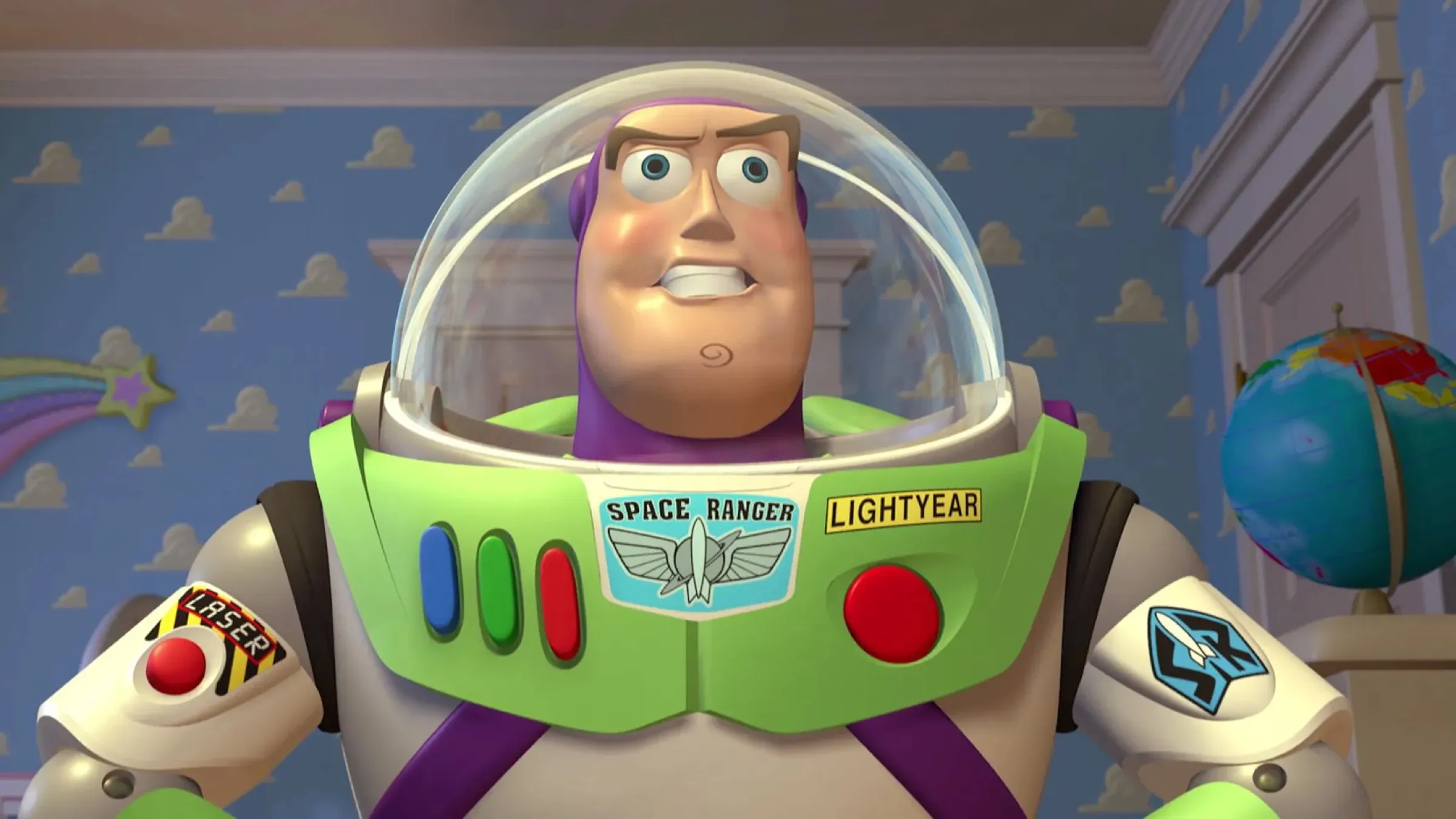
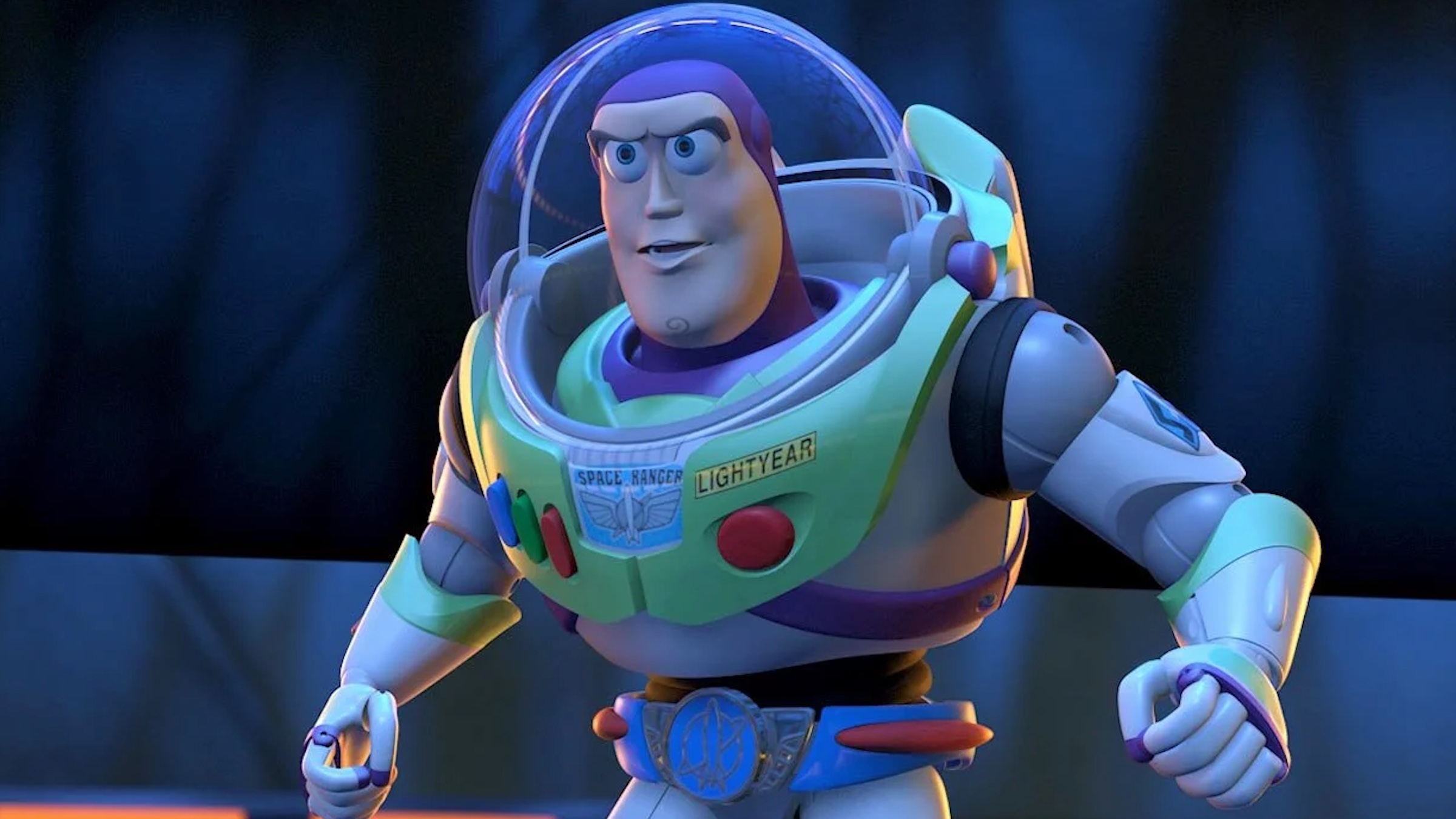
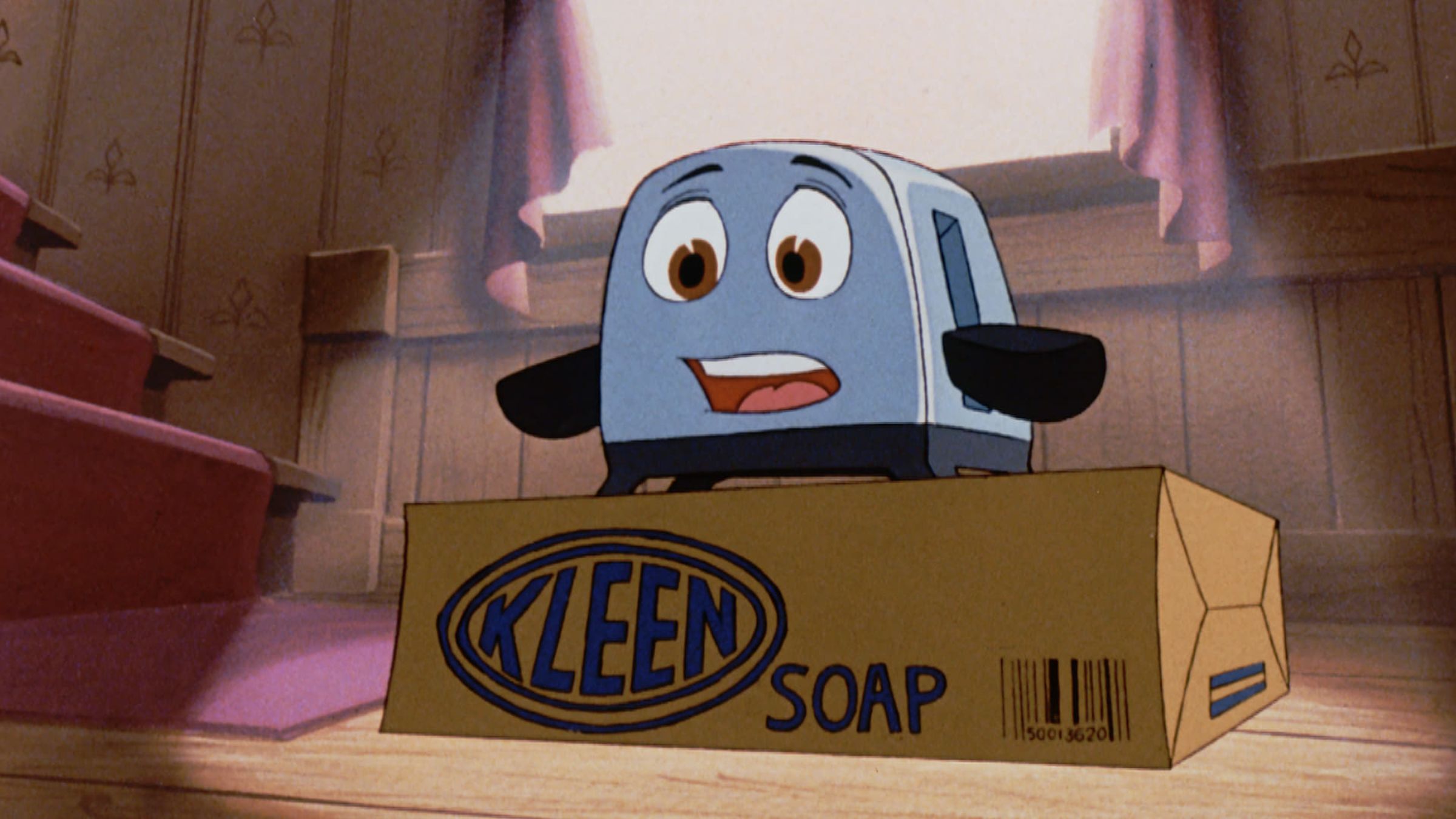
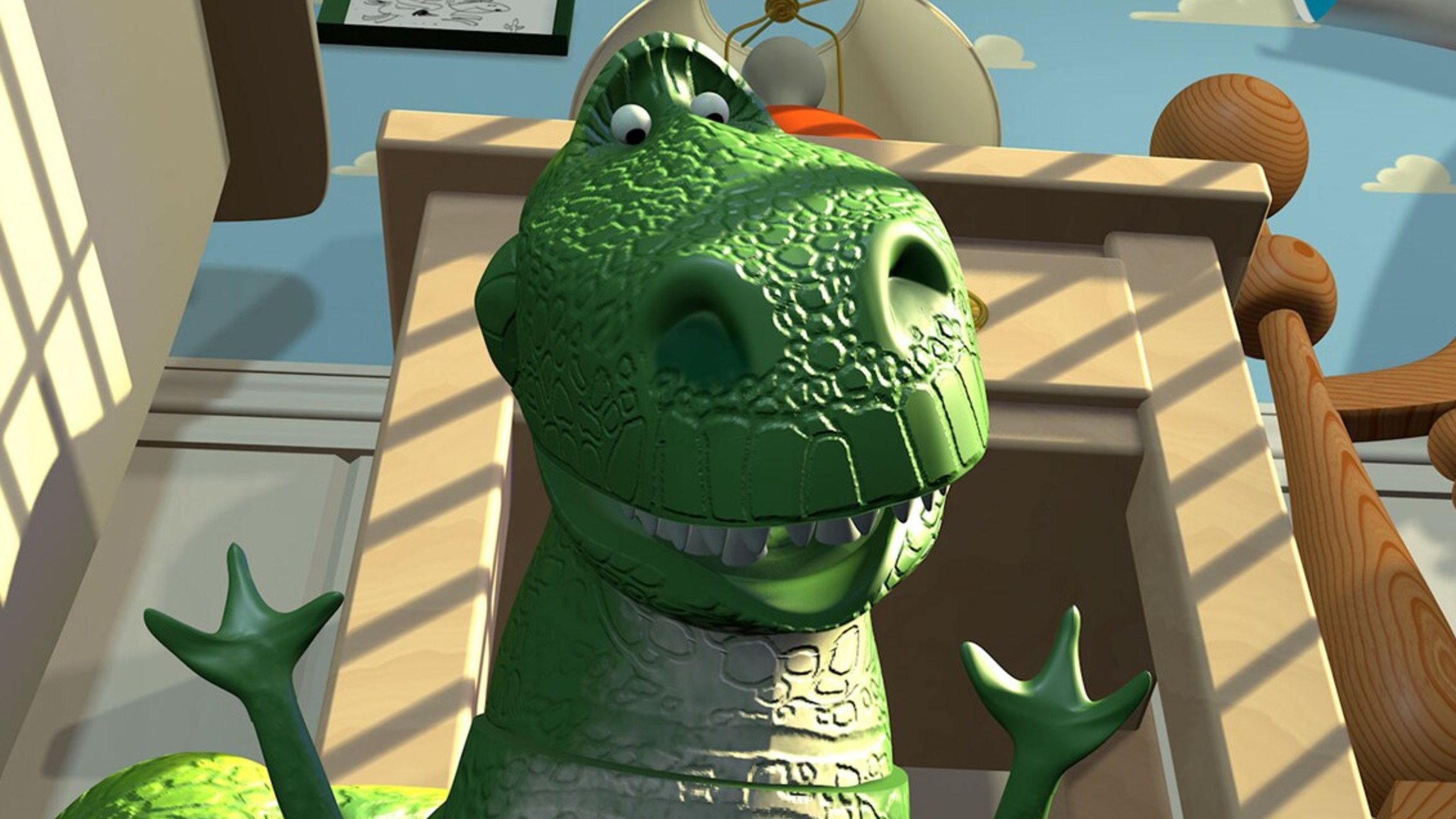

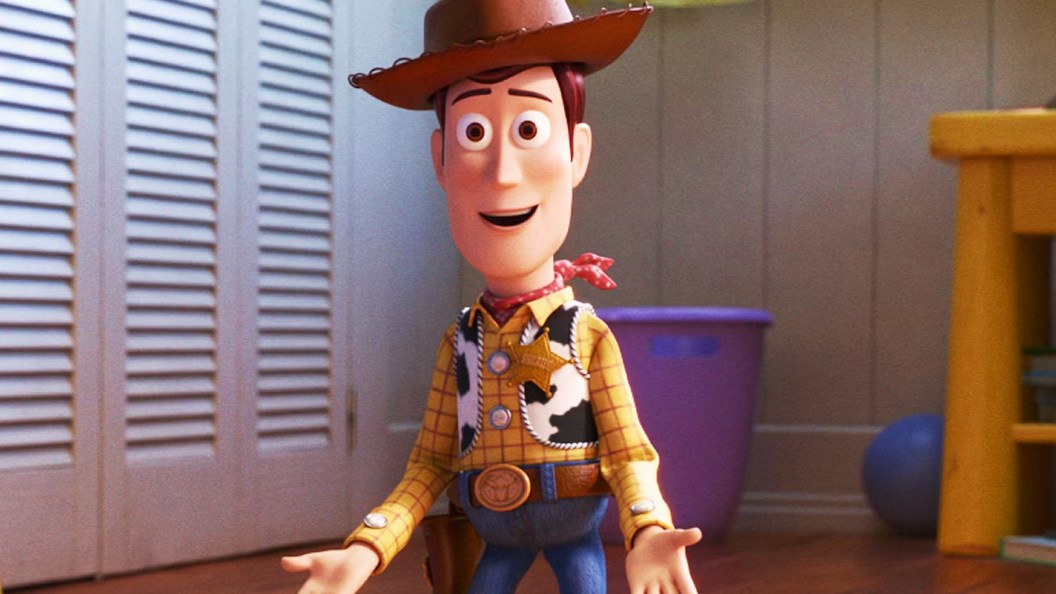
There’s no denying that 1995’s Toy Story is one of the most groundbreaking films ever made. It changed the way we look at animation and spawned a blockbuster and critically acclaimed franchise. That said, a lot of what made Toy Story great was actually born years prior in 1987’s The Brave Little Toaster, which is based on a 1980 novella. The Brave Little Toaster sees household items like a toaster and a vacuum cleaner come to life as they search for their “master,” which is the boy who used to live in their home.
Toy Story does the same thing, except it’s toys instead of household appliances, as they fight to get back home to their owner, Andy. The adventures these characters go on are harrowing and often scary, especially for films that are aimed at young audiences. Toy Story doesn’t get quite as dark as The Brave Little Toaster, but it’s clear that it’s a ripoff that’s far better than the original.
2) Reservoir Dogs & City on Fire

Released in 1991, Reservoir Dogs marked the feature debut for Quentin Tarantino, who has gone down as one of the most prominent filmmakers of his time. Without Reservoir Dogs, there wouldn’t be Pulp Fiction, Inglourious Basterds, or Once Upon a Time in Hollywood. Tarantino has been open about his influences and one of them is City on Fire, which is a Hong Kong action thriller from 1987. City on Fire and Reservoir Dogs have a lot in common, including some specific scenes.
Both films deal with the aftermath of a heist and how the various people involved can’t trust each other as they attempt to figure out who the rat is. The big standoff at the very end of Reservoir Dogs is clearly lifted from City on Fire and Tarantino doesn’t shy away from it. In fact, he makes direct visual connections between them. Tarantino admitted that he took from a section of City on Fire to make Reservoir Dogs and while both movies are good, Reservoir Dogs is seen as the better film.
1) Raiders of the Lost Ark & Secret of the Incas
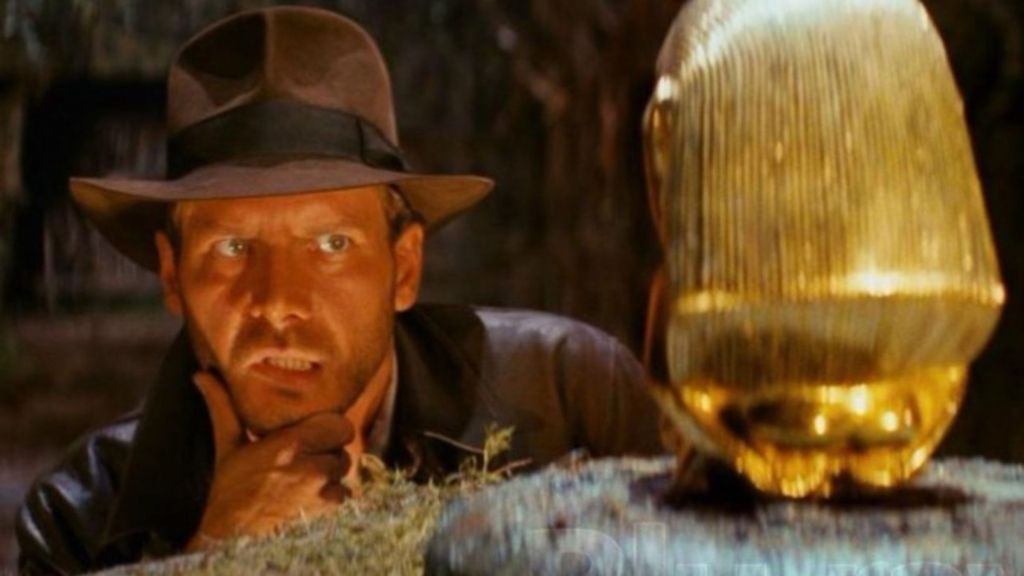
It’s kind of difficult to think that Raiders of the Lost Ark is something of a ripoff movie. The Steven Spielberg classic is held in high esteem and gave us the iconic character of Indiana Jones, and for all its greatness, a fair amount of the film was lifted from a totally forgettable project from decades prior. Secret of the Incas is from 1954 and follows an adventurer who goes on a wild ride after an ancient Incan artifact.
In Raiders of the Lost Ark, Indiana Jones is an adventurer on the hunt for the lost Ark of the Covenant. Deborah Nadoolman, the costume designer on Raiders of the Lost Ark, noted how the film is almost a shot-for-shot remake of Secret of the Incas, to the point where she jokingly believed the screenplay for the ’50s film was basically used to write the 1981 classic. While the outfits, the premise, and more are shared, Raiders of the Lost Ark is far and away the better movie.
Are there other great ripoffs that are better than the originals that we missed out on? Let us know in the comments.
