


Articles
The X-Files Creator Made an Even Darker TV Show (& It Predicted the True-Crime Boom)

Remember when television could genuinely freak you out? Not with a jump scare every five minutes. Not with another serial killer documentary explaining how the perfectly ordinary neighbor turned out to be a monster. Just an unsettling story that followed you around long after the credits rolled. Chris Carter knew a thing or two about that feeling. The X-Files made him the king of conspiracy theories, government cover-ups, and things lurking in the woods.
Then he went somewhere considerably nastier. No aliens required. No secret government laboratory to blame. Just people, their worst impulses, and the uncomfortable realization that some of the scariest things in the world are perfectly human. This other series also understood something today’s true-crime boom occasionally forgets. These stories aren’t just fascinating mysteries. They’re about victims, families, and the people left to live with the consequences. Frank couldn’t simply close a case and move on. The horror lingered. So did the emotional toll.
Millennium Took Crime and Psychological Horror Somewhere Darker
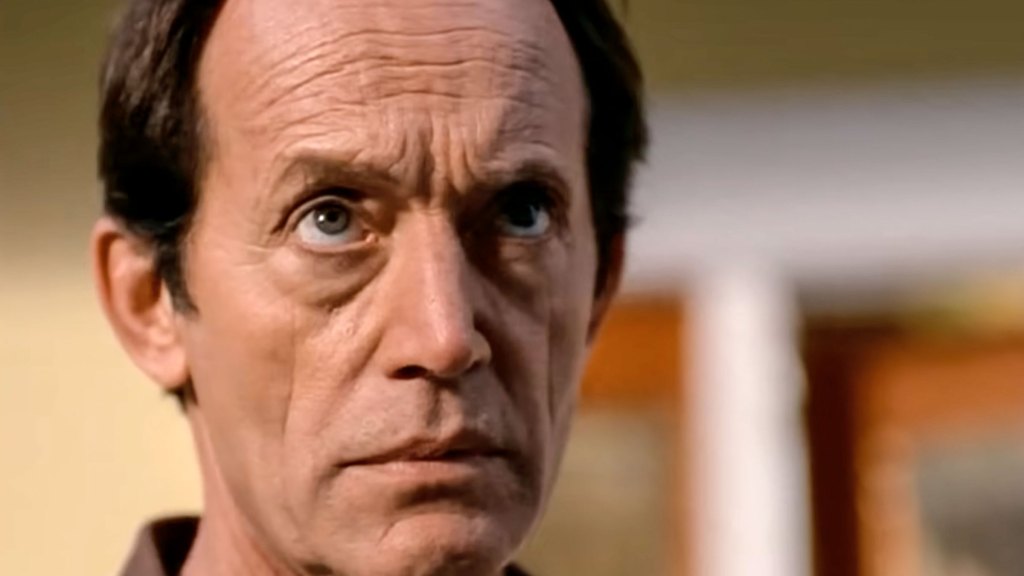
In 1996, Carter introduced viewers to Millennium. Lance Henriksen played Frank Black, an FBI profiler with a disturbing talent for understanding violent criminals. Imagine having a gift for getting inside the minds of murderers. Now imagine trying to have a normal family dinner afterward. That was Frank’s problem. He could look at the worst things people did and see the psychology behind them. Understanding those people didn’t make them less frightening. If anything, it made them worse. The X-Files could send Mulder chasing another conspiracy. Frank Black had to confront something far more unpleasant. The monsters were real people.
And Carter wasn’t interested in making that experience comfortable. Millennium traded the paranormal mysteries of his previous hit for serial killers, disturbing crime scenes, and the psychology behind unimaginable acts of violence. The series could be downright grim. Its darkness wasn’t just window dressing, either. Frank’s work followed him home. It strained his relationships. Even his extraordinary ability came with a terrible price.
Henriksen was perfect for the role. His weary face could suggest an entire lifetime of bad news before he even opened his mouth. Frank wasn’t a swaggering genius who solved murders between witty one-liners. He was a man who saw too much. There was something deeply unsettling about watching him understand a killer’s motives. You wanted him to solve the case. You also wanted him to get as far away from these people as possible. That’s what separated Millennium from the average crime procedural. The mystery mattered, of course. The human damage mattered more.
How Millennium Predicted Today’s Obsession With True Crime
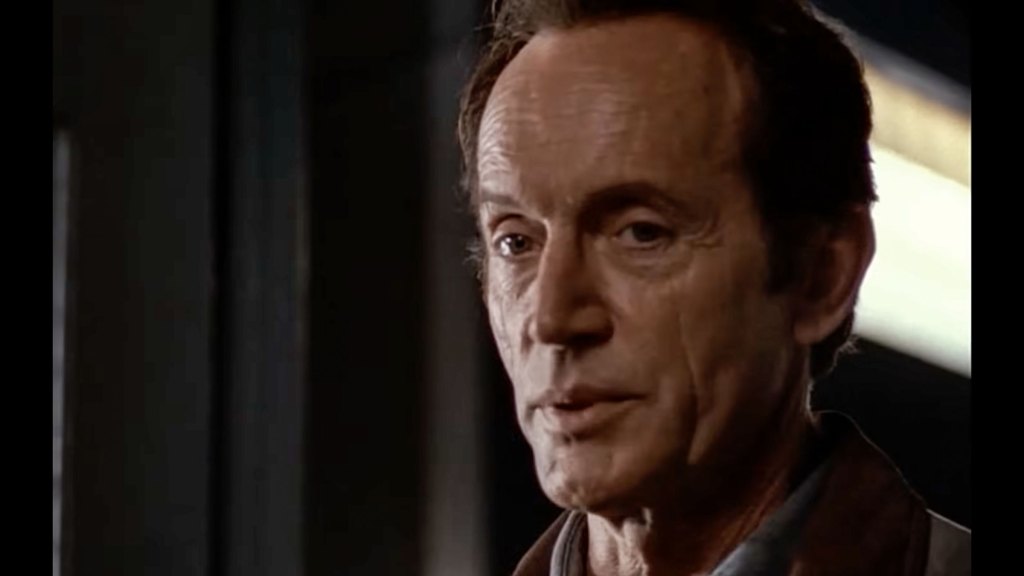
Look at television today. True crime is everywhere. Streaming services compete to deliver the next notorious murder case. Podcasts spend hours examining evidence. Online sleuths debate suspects, motives, and investigative mistakes with the intensity of Mulder trying to expose a government conspiracy. It might not be the best thing to watch, but it’s made its mark.
Carter was exploring that fascination decades ago. Millennium wasn’t a documentary, and it certainly didn’t invent the crime genre. Its approach still feels strikingly familiar, though. Frank Black studied criminal behavior. He searched for patterns. He tried to understand how ordinary human beings could commit extraordinary acts of cruelty. The cases weren’t simply puzzles waiting for a clever detective to solve them. They were glimpses into minds most of us would rather never encounter.
There’s an uncomfortable difference between watching a fictional detective investigate a murderer and spending six episodes learning about a real one. Yet both can tap into the same terrifying curiosity. We want answers. We want to understand the warning signs. Sometimes we even want to believe that studying evil will help us recognize it before it’s too late. Millennium understood the appeal without pretending that understanding a killer somehow made the world safer.
That’s a big reason Millennium deserves another look. It arrived before true crime became an entertainment juggernaut, yet it was already exploring the psychology that keeps audiences coming back. Carter took the crime drama somewhere bleak and deeply personal. There were no easy answers. No comforting distance between the audience and the subject. Just a man trying to understand the worst of humanity without losing his own. For a show that ended in 1999, Millennium feels remarkably at home in the present. Maybe that’s its most disturbing legacy. We still haven’t stopped looking into the abyss.
