


Articles
The Simpsons Officially Made History 17 Years Ago, And the Record Might Never Be Broken

There are TV records, and then there are achievements that are more like monuments. A huge premiere can be beaten. An awards haul can eventually be surpassed. Even ratings records, once considered untouchable, have a nasty habit of meeting their match. Television is always moving. Someone is always coming along to make yesterday’s impossible number look surprisingly ordinary. But every so often, a show reaches a milestone that feels different. It doesn’t just set a record. It changes the question from Who will beat it? to Is anyone actually going to?
That happened in 2009, when one of television’s most familiar families crossed a line that had stood for decades. By then, the family had already become permanent residents of American pop culture. Twenty years was impressive. Twenty-five would be absurd. But what came next was something else entirely. Because the record that was broken wasn’t just another number. It belonged to a television institution, and catching it was only the beginning.
The Simpsons Became The Longest-Running Primetime Series In 2009
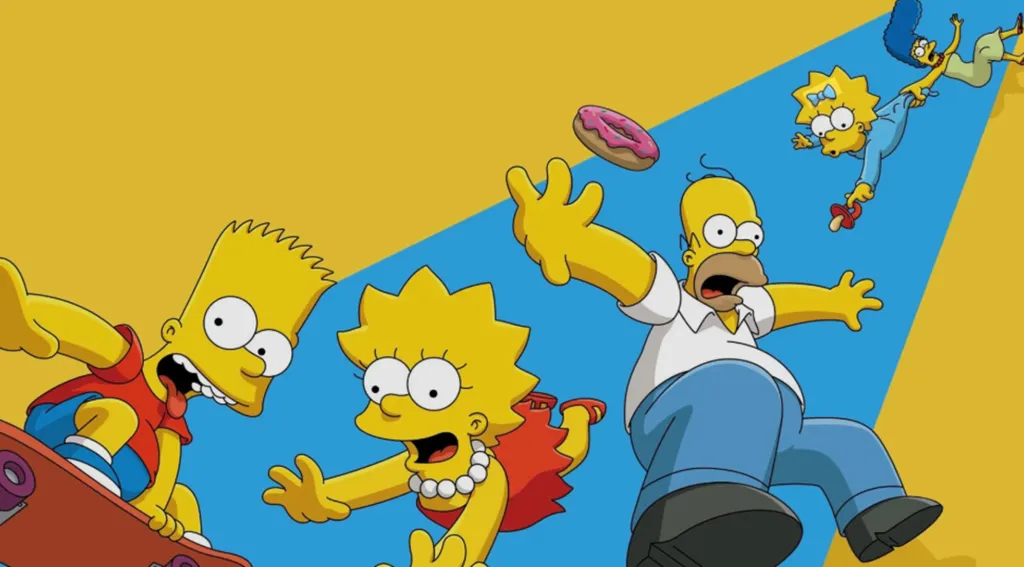
September 27, 2009 didn’t exactly feel like it made television history. The Simpsons was already 20 years old. Homer had been fired more times than anyone at a nuclear power plant probably should be. Bart was miraculously still a kid. Then Season 21 arrived and quietly took down a record that had survived since 1975. Gunsmoke, the James Arness Western, had been television’s longest-running scripted primetime series for more than three decades. Now the record belonged to Homer, Marge, Bart, Lisa, and Maggie. Not bad for a family that lived in Springfield. Although Bart has something to say about how The Simpsons might end sooner than fans expect.
But here’s the thing—The Simpsons didn’t stop there. It didn’t even try to slow down. Season 21 became 22. Then 23. Then 24. The numbers stopped looking real. Bart remained 10, Homer remained employed on a technicality, and the show kept adding episodes to a record that was already its own. By Season 37, The Simpsons had passed 800 episodes. Suddenly, that 2009 milestone didn’t look quite so big anymore. It looked like the warm-up. The show hadn’t just beaten Gunsmoke. It had spent the years since making sure nobody else could catch up to it.
The Simpsons’ Record Could Be Almost Impossible To Catch
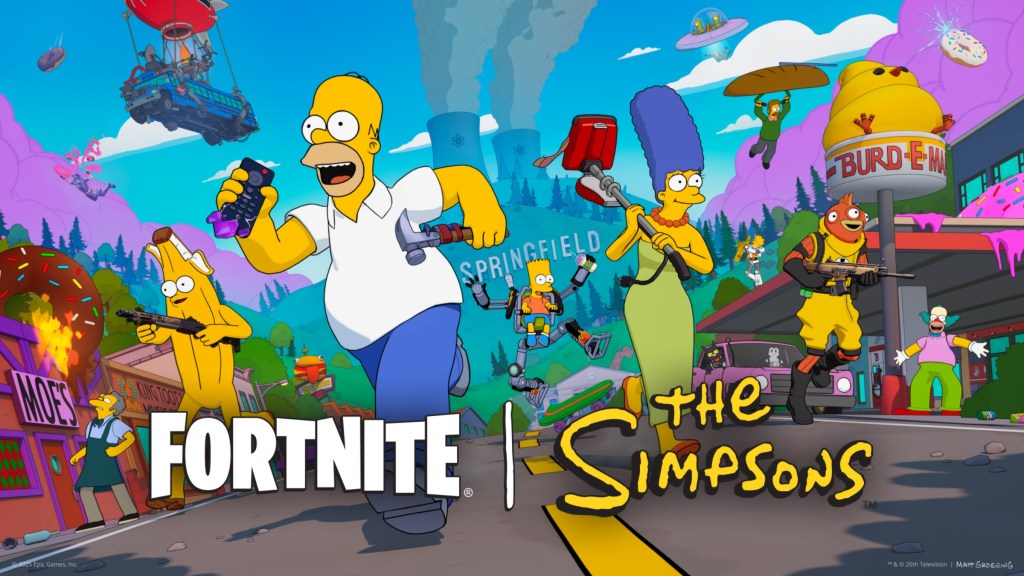
The Simpsons has been on television for so long that the way television works has completely changed around it. When the show premiered, streaming didn’t exist. Cable was still expanding. Viewers watched episodes when networks put them on. Now, a hit series can release eight episodes, disappear for two years, and still be considered a long-running success. And there’s also the fact that season 38 has been recently announced.
That makes catching The Simpsons a pretty ridiculous proposition. The current list of America’s longest-running scripted primetime shows has Law & Order: SVU at 27 seasons, followed by Law & Order at 25. Even those shows have a long way to go before they get anywhere near 37 seasons. And remember, The Simpsons isn’t sitting still while everyone else catches up. It’s still adding episodes. So, unless another show is willing to stick around for decades, survive multiple generations of viewers, and somehow convince everyone to keep watching, this particular record could be safe for a very, very long time. But with all due respect, Japan is on another level when it comes to long, ongoing series—but that’s a whole other story.
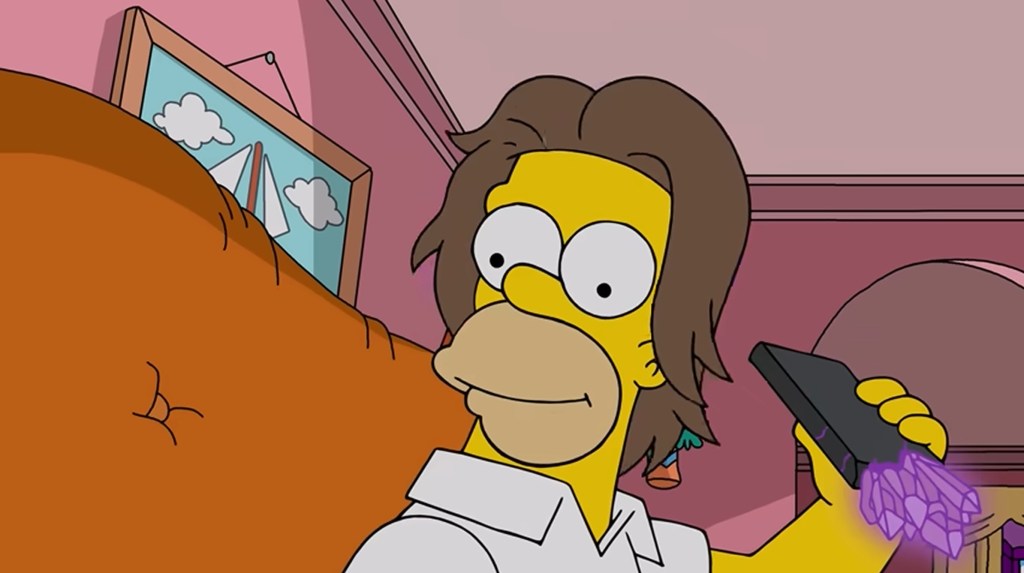
And the crazy part? The Simpsons still has a lot left in the tank. Fox has renewed the show through Season 40. So, yeah, we’re not even close to the end of this ride. Imagine Episode 1,000 being some kind of special event. Matt Groening has said he’d happily make another 200 episodes. Plus, showrunner Matt Selman has said that hitting 1,000 could actually happen—and might be the endpoint. Think about that for a second. One thousand episodes of The Simpsons. There’s also The Simpsons Movie 2 coming in 2027, exactly 20 years after the first movie. Homer has been on TV for almost four decades. Let that sink in.
At this point, fans must feel like they know every inch of Springfield. It almost feels real, to the point that it’s just a flight away. But the reality is, it’s a destination that keeps audiences entertained—and hopefully not eating their shorts.
