


Articles
Superman’s First Action Figure Had an Identity Crisis Before the Hero Ever Did And the Story is Wild
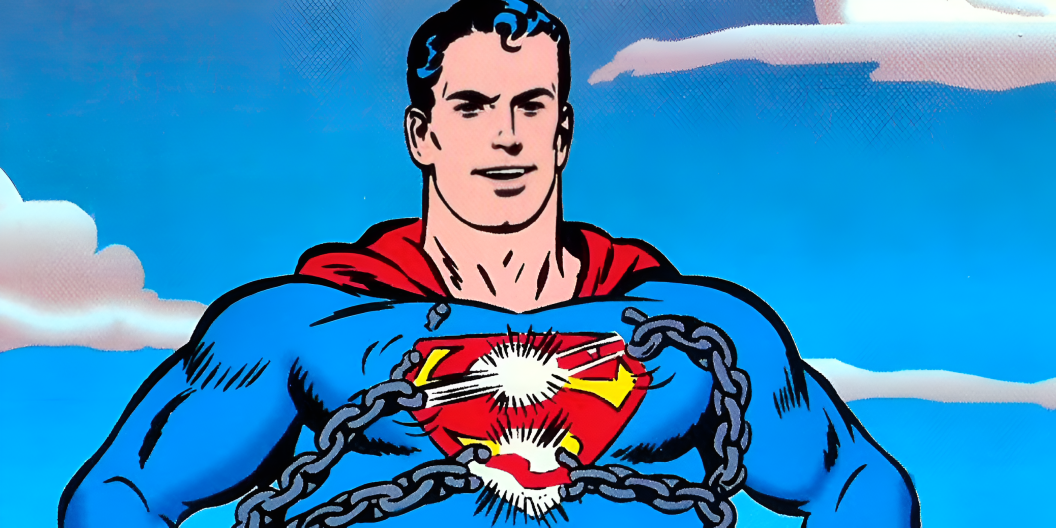
Even in the mid-sixties, Superman was no stranger to merchandise. Since his 1938 debut, the hero’s image had graced everything from wooden dolls to wind-up toys to even shampoo. But by modern standards, there still hadn’t been a Superman action figure. Ideal Toys changed this in 1966, when they would become the first manufacturer of DC and Marvel Comics figures, releasing Superman alongside Batman, Aquaman, Captain America, and Sgt. Fury. However, Captain Action figures came with a bizarre gimmick, inspired by Hasbro’s original G.I. Joe and Mattel’s Barbie. Ideal would sell you a Superman costume and a slew of character-specific accessories, but the figure’s body was sold separately.
The premise of Captain Action was that the line’s title hero could take the form of any other hero he could imagine (or that Ideal could license). In toy form, this translated to Captain Action himself being the only figure offered, with the rest of the characters in the line being swappable costumes for Captain Action to wear. If Captain Action’s own facial features didn’t suit the new character, a rubber, Mission: Impossible-style mask was included with the costume, designed to fit over Captain Action’s head. Bizarre as it sounds, the effect is less noticeable (and creepy) in practice than it sounds on paper, and the line was a hit with kids before its 1969 discontinuation. Today, the same gimmick that helped Captain Action stand out on toy shelves has made it a nightmare for collectors, with complete Captain Action costumes loose or mint commanding a premium price on the secondary market. Next week, Heritage is set to auction one of only three graded Superman Captain Action sets in the world, and with ten days left to bid, the price is already climbing above $2k.
How Ideal’s Captain Action Became the First Line to License DC, Marvel, & More

With a slow easing of fifties Comics Code Authority censorship and the emergence of Marvel, superhero comics saw a serious revival in the 1960s. At the same time, toy designer Stan Weston’s concept of the “action figure,” a costumed, articulated soldier doll, found immense success as Hasbro’s G.I. Joe. As other manufacturers sought to launch their own “action figures” to capitalize on G.I. Joe, Weston left Hasbro, founding licensing company Leisure Concepts and taking on comic publishers DC, Marvel, and King Features (Flash Gordon, the Phantom) as clients. With these licensing rights shored up, Weston approached toy company Ideal about a superhero-themed G.I. Joe line, pitched as “Captain Magic,” a single hero figure who could take on the guise of any other (Leisure Concepts-licensed) hero. Ideal had only one note: a name change. Becoming Captain Action, the toyline launched to major fanfare in 1966.
It was a modest success on release, with kids then and collectors now noting that the line’s central gimmick undermined its playability: if a kid wanted to play with more than one hero at a time, they would have to buy multiple Captain Action figures. Otherwise, Captain Action’s costume would need to be changed every time a kid wanted to play with a different super-hero and playing with multiple characters was impossible. Still, the line was enough of a success to expand in 1967, adding new costumes for Captain Action (including the first-ever Spider-Man action figure), as well as two new figures: sidekick Action Boy and nemesis Dr. Evil. Action Boy received three costumes of his own: Aqualad, Robin, and Superboy. No villain costumes were made for Dr. Evil, but the character’s base design, with an exposed brain, Nehru suit, and gold medallion, is striking enough to make the character and figure a fan favorite on its own.
In 1968, Ideal commissioned a comic book tie-in for Captain Action from DC. Editor Julius Schwartz handed writing duties off to DC’s youngest writer, the seventeen-year-old Jim Shooter, at the time the regular writer on the Legion of Super-Heroes. Working with penciller Wallace Wood, Shooter established Captain Action’s origins, making him archaeologist Clive Arno, who discovers the mystic “coins of power” while exploring the ruined city of a lost civilization. For the comic, these coins give Arno the Shazam-esque powers of the Gods and heroes of legend (after all, they couldn’t exactly have Captain Action turning into Spider-Man in a DC comic). Joined by his son Carl as “Action Boy,” Arno becomes “Captain Action,” and battles evil. That includes “Doctor Evil,” his father-in-law, driven mad by the death of his daughter, Arno’s wife. Captain Action ran for five issues from July 1968 to April 1969, with Gil Kane taking over the art after issue one, and scripting duties after issue two.
Why Captain Action Failed – & Why Fans Still Love It

Sales for Captain Action were initially strong, strong enough that Ideal produced a tie-in line of DC super-heroines at the same scale called “the Super Queens.” For a generation raised on comic book heroes, the opportunity to finally own toys of them was a dream come true. The toys were well-made and carefully detailed, Ideal’s Captain Action base body was sturdy and fully articulated, the cloth for the costumes held up to play, and the accessories were detailed. To a comic book fan, the accessories are one of the best things about a Captain Action costume, showing a surprising amount of research into each character’s world and lore.
For Superman, the best of these accessories was an unarticulated bonus figure of Krypto the Superdog (the first time the pup of power was ever merchandised), complete with his cape. Other accessories included a Phantom Zone projector, modeled off its appearances in the era’s issues of Superman and Action Comics with surprising fidelity, and a rock of green Kryptonite. Some of the other best in the line were Topo the Octopus, included with the Aqualad costume, and the awesomely silver age “communicator helmet” with Superboy.
The line was discontinued in 1968 due to poor sales, and while the specific reason is unknown, many fans point the finger at Captain Action’s central gimmick. Kids didn’t just want to play with one of their favorite heroes, they wanted to play with all of them, and their parents were unlikely to keep buying Captain Action over and over again to facilitate this. So Ideal gave up the Marvel and DC license, paving the way for Mego to acquire it in 1972, improving on the Captain Action formula with the World’s Greatest Super-Heroes. Mego produced one standard-sized body and put an array of different heads, costumes, and accessories on it, reducing manufacturing costs while allowing them to produce a (for the time) large roster of characters.
For kids of the seventies, Mego’s World’s Greatest Super-Heroes were and are the definitive super-hero toys. But for another generation, Captain Action remains unsurpassed, making the original sixties line one of the most collectible of the decade. The line’s mediocre sales and the elaborate, accessory-laden costumes have made them incredibly rare, and their historical significance has made it so that even fans who never played with Captain Action as a kid want to get their hands on one as an adult. Put together, it helps explain why this high-grade Superman costume could be the most expensive item in a Heritage Auction with hundreds of classic toys and collectibles.
Did you know about Ideal’s Captain Action figures? Leave a comment below and join the conversation now in the ComicBook Forum!
