


Articles
In Theaters 41 Years Ago, Tim Burton’s First Movie Made a Cult Character a Household Name Forever
For the past four decades, Tim Burton has been one of the most prolific directors in Hollywood whose sensibilities have gone across genres and made billions of dollars at the box office, all while fully influencing pop culture. Though perhaps best known to some for his work on films like Beetlejuice, Edward Scissorhands, and Tim Burton’s The Nightmare Before Christmas (which he didn’t actually direct), Burton has traveled between comedies, dramas, superhero movies, horror films, musicals, animation, and more across his time behind the camera. Some of Burton’s movies, like 1989’s Batman and even the live-action Alice in Wonderland, have become so influential that Hollywood is still chasing the bar they set (for good and ill).
Today, though, marks the anniversary of Burton’s first movie ever, a film that many are still surprised to see marked the beginning of his career, but one that clearly has his fingerprints on it at every turn. 41 years ago today, on August 9, 1985, Pee-wee’s Big Adventure was released in theaters, not only marking the first feature film from Tim Burton as a director but bringing Paul Reuben’s iconic character, Pee-wee Herman, out from its cult status at live shows to one that would not only become a box office hit (grossing over five times its budget) but one that continues to endure to this day.
Tim Burton’s Filmmaking Style Was on Display From Movie #1
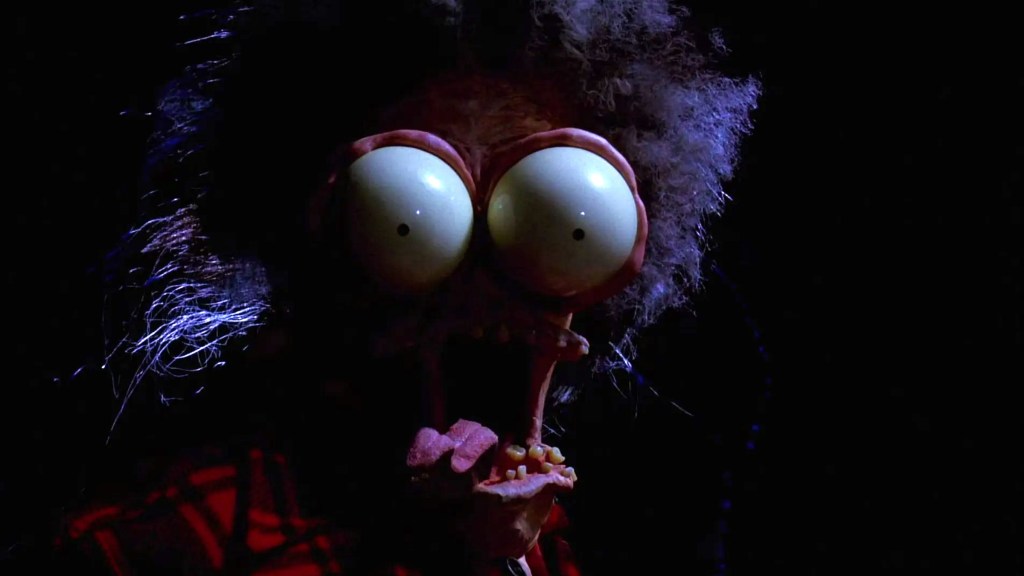
Anyone who isn’t aware that Pee-wee’s Big Adventure is a Tim Burton movie could probably watch the film and actually figure it out. Though it marks his first feature, it has a variety of motifs and aesthetics that would go on to become cornerstones of almost every movie he’s ever made. Not only is there a brief sliver of animation in the moment when Pee-wee is trying to navigate the dark (harkening to Burton’s roots as an animator), but one of its most iconic moments is actually a stop-motion animated sequence as Large Marge reveals her true face.
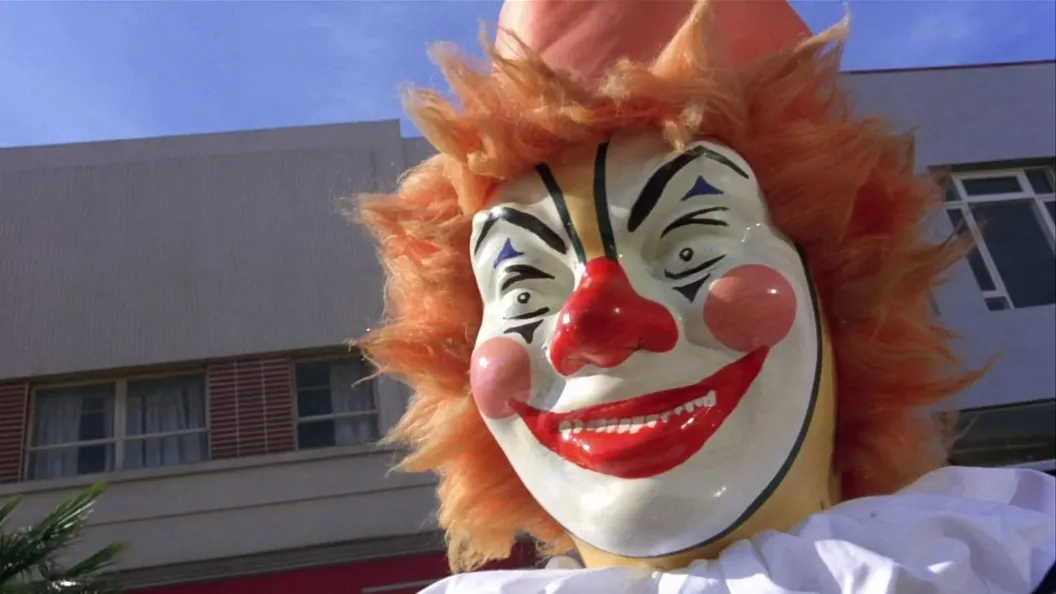
One of the biggest influences on Burton as an artist is the entire German Expressionist movement from the early 20th century, with the elongated shadows and bizarre architecture of directors like Fritz Lang and F. W. Murnau serving as foundational visual language for Burton. Their influence can even be seen in Pee-wee’s Big Adventure, like in Pee-wee’s long shadow as he approaches the psychic or the dream sequence where clowns operate on his missing bike.

Burton’s influence on the film and how it would carry on across his work isn’t just limited to his aesthetic choices either. Fundamentally, at the end of it all, Pee-wee’s Big Adventure is a movie about an outsider. Even though Pee-wee himself as a character is never shown to be the subject of mockery or scorn by his neighbors (except Francis and the tour group at the Alamo), the movie wastes no time making it clear that he’s not like everyone else and his sensibilities are purely his own.
Across Tim Burton’s filmography, this is the defining trait of many of his characters, be it Batman, Ed Wood, Edward Scissorhands, or even Margaret Keane in his most intimate movie, Big Eyes. Though many of the films will often pair this with a distinct anti-authority sentiment, characters that do not “fit in” to the normalcy of any one place is perhaps Burton’s most distinct narrative thread. Pee-wee may end the movie with a lot of friends, but he’s still very much marching to the beat of his own drum.
Pee-wee’s Big Adventure Cemented the Character as an Icon
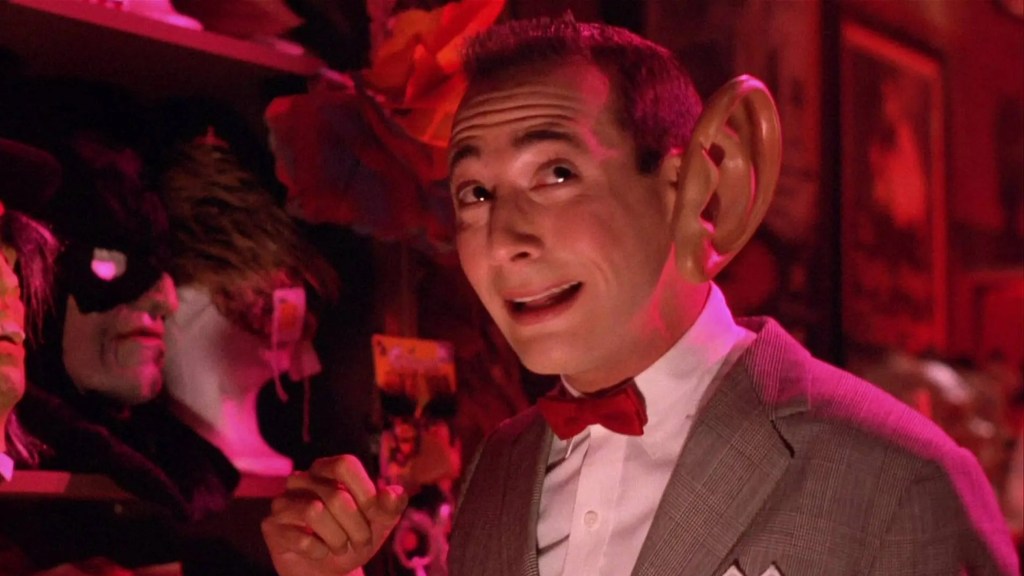
In the 1980s, Paul Reubens developed the Pee-wee Herman character in a distinct way, refining his voice and gags on stage and in front of a live audience at the Groundlings sketch comedy theater. The popularity of the character in Los Angeles led to The Pee-wee Herman Show becoming a regular live event, selling out for five months straight, which then saw Pee-wee make the leap to television on HBO for a recorded version of the stage show. Reubens would then go on to take the character to Late Night with David Letterman and even play Carnegie Hall, which eventually led to the film itself getting made.
Pee-wee’s Big Adventure marked the first time many audiences got to meet the character, but the success of the film and the footprint already established by Reubens meant he could quickly become a pop culture fixture. The success of Big Adventure saw Reubens take the character to the format that would become his most defining, with the arrival of Pee-wee’s Playhouse on CBS.
Even with Reubens’ controversial arrest in the early ’90s, the Pee-wee Herman character endured. A second feature film arrived in 1988, without Burton behind the camera, but in the 2010s came a real Pee-wee renaissance as Reubens appeared on television as the character on shows like Saturday Night Live and Top Chef: Texas, all before reviving The Pee-wee Herman Show as a live-stage show on Broadway and even starring in another movie, Pee-wee’s Big Holiday.
Reubens would also continue to collaborate with Burton beyond Pee-wee, despite their time together with the character going separate ways after the first movie. Not only did Reubens appear in Burton’s 1992 movie Batman Returns as the Penguin’s father (appearing with Diane Salinger, who starred as Simone in Pee-wee’s Big Adventure), but he would also voice Lock in The Nightmare Before Christmas.
Even now, though, some three years after Reubens passed away, Pee-wee continues to be a beloved character. His work may have started well before he graced the silver screen, but it was 41 years ago today that many found him and fell in love with his humor for the first time. Not only that, but it marked the arrival of one of Hollywood’s most iconic directors of the era. Few films can make the claim that they’re a cult classic forty years after their release. Not only can Pee-wee’s Big Adventure make that claim, but it was also the starting point for two careers by very distinct artists.
