


Articles
A Twilight Zone Ripoff Premiered 63 Years Ago Today & Raised the Bar for Sci-Fi on TV Across 200 Episodes

In 1959, The Twilight Zone premiered on CBS and ran for five seasons, each episode presenting a standalone story often in the sci-fi, fantasy, or horror genres. These episodes featured some of the biggest actors of the era, as well as several future stars, including an appearance by William Shatner years before he took on the role of Captain Kirk in Star Trek. They also featured groundbreaking stories that involved twist endings and moral lessons in almost every episode. Hosted by Rod Serling, The Twilight Zone was like almost nothing else on TV. However, 63 years ago, a new show arrived that looked like a Twilight Zone rip-off but developed into a great anthology series in its own right.
On September 16, 1963, The Outer Limits premiered on ABC, and with a greater emphasis on science fiction, it ended up standing on its own and raised the bar for the sci-fi genre for years to come.
The Outer Limits Was the Sci-Fi Alternative to The Twilight Zone

There were a lot of sci-fi storylines on The Twilight Zone, including post-apocalyptic futures, robots from outer space, and aliens. However, that series was more about the morals and the twist endings, and there was as much fantasy and horror as there was sci-fi throughout its five-year run. In 1963, one year before The Twilight Zone aired its final episode, The Outer Limits premiered on ABC and challenged its CBS counterpart for the audience’s attention. The new series did so by placing almost all its stories in the sci-fi genre.
The two shows shared similarities, including using a narrator, with Vic Perrin narrating The Outer Limits as the Control Voice. The Outer Limits even channeled sci-fi in its intros, as the Control Voice took over people’s televisions in an Orwellian move to tell its stories of terrifying sci-fi adventures. Much like The Twilight Zone, The Outer Limits also attracted some big stars of the 1960s to join the cast for the weekly episodes, as well as some major writers to pen the episodes. Names like Joseph Stefano (Psycho), Robert Towne (Chinatown), and speculative fiction author Harlan Ellison wrote various episodes of the series.
The show wasn’t as successful as The Twilight Zone up front, with The Outer Limits only lasting for two seasons and 49 episodes compared to The Twilight Zone’s five seasons and 156 episodes. However, its legacy is impressive. Stephen King once called it one of the best anthology series to ever run on network TV. It also has a connection to Star Trek, as some monsters from The Outer Limits reappeared in the series later in the 1960s. Actors Leonard Nimoy, William Shatner, and James Doohan were among the Star Trek stars who appeared in the series.
While The Twilight Zone created something different with its anthology format, The Outer Limits‘ influence was seen more in the sci-fi genre. The series blended sophisticated and existential horror with hard speculative sci-fi stories, especially in the second season. Much like Black Mirror many years later, The Outer Limits had a bleak realism and a sense of looking at the ethical dilemmas in sci-fi themes and ideas. With the theme that scientific advancements outpace human ethics, it offered a dark look that movies in the future captured. Everything from THX 1138 and Blade Runner to Star Trek and Battlestar Galactica owes a lot to The Outer Limits.
The Outer Limits Was Even Bigger in the 1990s
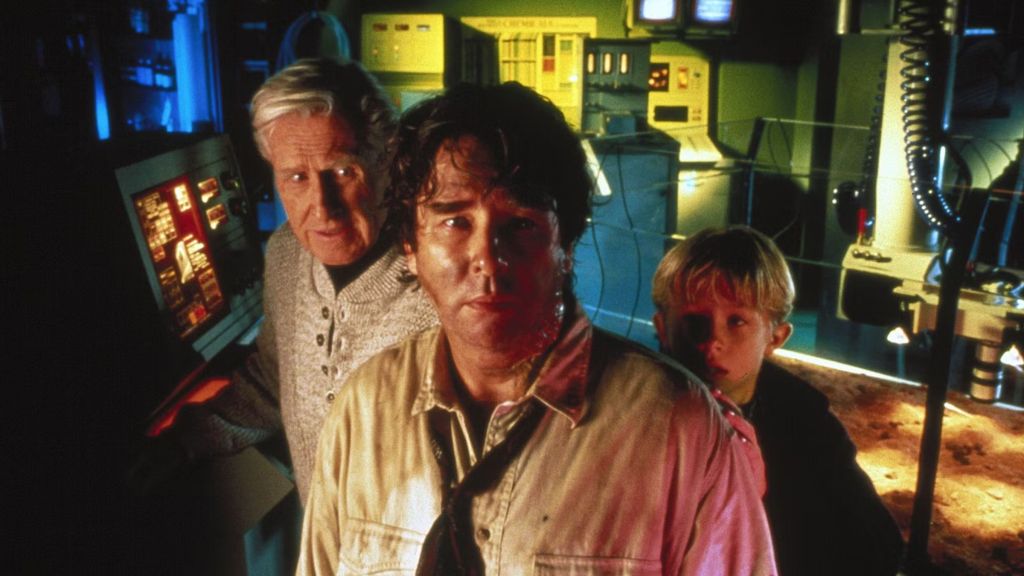
While The Outer Limits ended with just two seasons, in large part thanks to ABC moving it to Saturday nights, the series was rebooted decades later and had great success. In 1995, The Outer Limits returned and aired on Showtime, SYFY, and Channel 7 with a revival that ended up running for seven seasons and 152 more episodes. The new series kept the same format. with Kevin Conway as the new Control Voice, and even more sci-fi stories with twist endings.
This reboot leaned even harder into the sci-fi themes rather than doing a monster-of-the-week format. Themes like worldwide sterility and time travel to human mutation and eugenics were touched on in the new series, proving that The Outer Limits was always coming up with solid sci-fi ideas in great stories. The series even brought in stories by names like Harlan Ellison, Richard Matheson, Stephen King, and George R.R. Martin. The reboot even brought back Joseph Stefano, the creator and head writer of the original series, as an executive consultant for the entire series, helping the original and new versions of The Outer Limits to connect in a wonderful way.
