


Articles
Dune and Star Wars Have More in Common Than You Think, but Their Biggest Differences Are What Matter
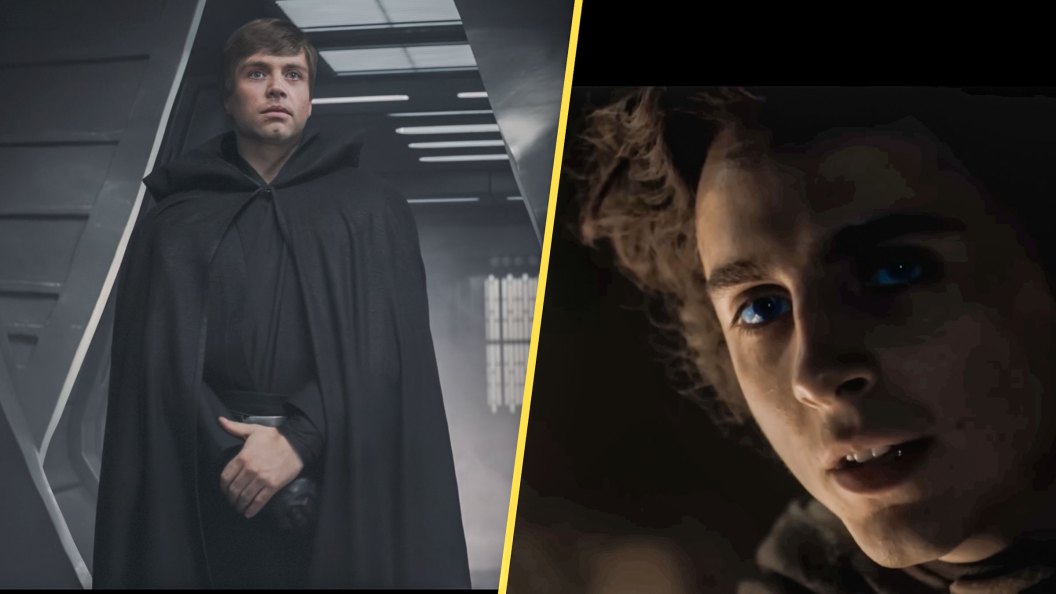
If you put Paul Atreides and Luke Skywalker next to each other, you’d probably notice a few similarities—and more than a few differences. But both are young men from desert planets who discover they’re connected to something much bigger than themselves. Both get tangled up with powerful empires, ancient religions, and people who seem awfully interested in telling them what their destinies are supposed to be. But anyone who has seen both Dune and Star Wars knows each movie is a very different experience.
One gives us lightsabers, lovable rogues, and the occasional adorable alien. The other gives us giant worms, political assassinations, and a religious movement that should probably make everybody nervous. With Dune: Part Three approaching, it’s a good time to revisit what separates these two science-fiction giants. They might share some surprisingly familiar ingredients, but Frank Herbert and George Lucas had very different ideas about what to do with them.
Dune and Star Wars Have Been Sharing Ideas for Decades

Let’s get the obvious comparison out of the way. Arrakis and Tatooine are both desert planets where young men spend their days dreaming about something beyond the dunes. Both also have powerful ruling families, complicated political systems, ancient religions, and mysterious organizations that seem to know considerably more than everybody else. It’s not hard to see why fans have spent decades comparing the two franchises.
Frank Herbert published Dune in 1965, twelve years before George Lucas brought Star Wars to theaters. Lucas drew inspiration from plenty of science-fiction stories, mythology, and old-fashioned adventure serials. Herbert’s novel was almost always part of the conversation surrounding his creation. That doesn’t mean Star Wars is simply Dune with lightsabers, though. Both creators were borrowing from much older ideas about mythology, politics, and the classic hero’s journey. Still, it’s hard not to notice how many familiar pieces show up in both universes.
Luke and Paul might start out on similar paths, but they end up as opposite heroes. Both have to discover who they are, learn to understand their abilities, and figure out what to do with their destinies. The difference is that Luke eventually learns to confront the darkness within himself without allowing it to take over. He faces the temptation of the dark side, but refuses to let it define him. Paul has a much harder time escaping the future laid out before him. The more power he gains, the more deeply he becomes trapped by the destiny surrounding him. And that’s a pretty frightening position to be in, especially when an entire civilization believes you’re supposed to save them. Luke ultimately chooses compassion over power, while Paul embraces a future that gradually becomes impossible to control. Both discover that having extraordinary abilities comes with a price. The trick is knowing what to do with them before it’s too late. That’s a lesson Luke seems to understand considerably better than Paul.
The real difference becomes clear when you look at what each franchise does with those ingredients. Star Wars certainly has its share of political intrigue, but it generally keeps things moving with an adventure story. There are heroes to root for, villains to defeat, and the occasional redemption that reminds us there’s still some good in the galaxy. Dune is considerably less reassuring. Its universe runs on political manipulation, ecological struggles, religious fanaticism, and powerful people who have no problem using someone else’s beliefs to get what they want. Even its most celebrated characters aren’t necessarily people you’d want running the place. Herbert was interested in questioning the idea of a chosen hero, while Lucas understood the appeal of watching a young farm boy discover he could become something extraordinary. Both approaches make for compelling science fiction. They just have very different ideas about what happens when somebody gets that much power.
Paul Atreides Is the Kind of Hero Star Wars Would Make a Villain
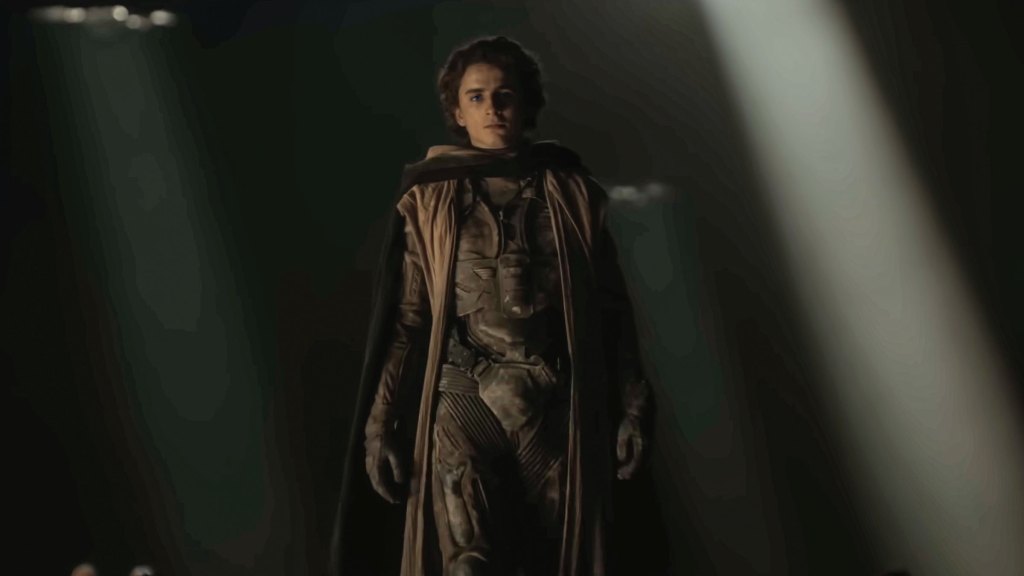
That’s what makes the upcoming Dune: Part Three so interesting. Based on Dune Messiah, the story picks up after Paul’s victory and explores what happens when the young hero actually gets everything he wanted. He’s emperor now, but millions of people have embraced him as a messiah, and the religious movement built around his name has become something terrifying. Not exactly the happy ending you’d expect from a traditional adventure story. Imagine if Luke Skywalker defeated the Emperor, only to discover that the galaxy’s celebration of his victory had created an entirely new nightmare. That’s much closer to what Frank Herbert had in mind. Paul isn’t simply a hero enjoying his triumph. He’s a man discovering that the consequences of becoming a legend can be far worse than the enemies he defeated.
And that’s ultimately where Dune and Star Wars part ways. Lucas gave audiences a story about hope, redemption, and the possibility of overcoming even the darkest forces in the galaxy. Herbert was considerably less reassuring. He wanted readers to question the people they were cheering for, especially when they rose to power. There’s plenty of adventure in Dune, of course, along with giant worms and spectacular battles. But underneath all that spectacle is a rather uncomfortable question: What happens when everyone believes their hero can do no wrong? Luke Skywalker might be the kind of person you’d want saving the galaxy. Paul Atreides is a pretty good reason to be careful about choosing one.
