


Articles
6 Years Ago, Netflix Made the Perfect Carrie Replacement With a Beloved IT Star (And Cancelled It After One Season)
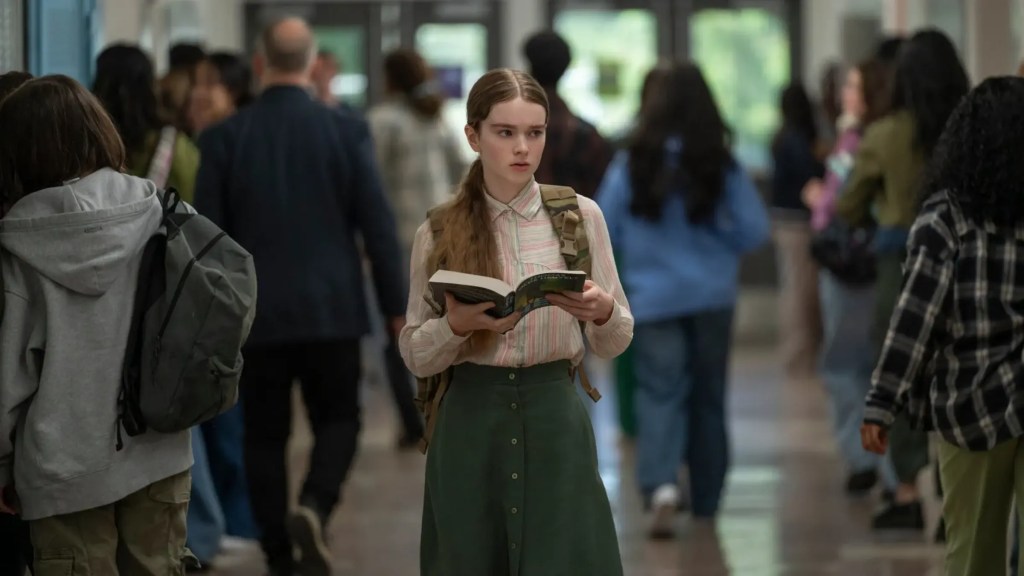
Once again, Stephen King’s Carrie is back in the pop culture zeitgeist. Prolific director Mike Flanagan — known for horror television hits The Haunting of Hill House, The Haunting of Bly Man, Midnight Mass, and the anticipated film Clayface — recently adapted the classic 1974 novel into an eight-episode format that aired on Amazon Prime Video.
Flanagan’s take on Carrie pitched itself as a new take on the classic story. While Stephen King’s debut novel focused on a young girl ridiculed for her weight and religious beliefs, Flanagan’s expanded Carrie focuses on how social dynamics and school violence have changed in the decades since the original book was published. Flanagan’s vision moves beyond the limited series model that has become commonplace for book adaptations, instead intending a three-season series.
Flanagan’s Carrie is merely one in a long line of adaptations, each choosing which parts of the book they want to explore — a fat Carrie is never one of them — and part of a larger trend of gothic horror that Carrie inspired. Back in 2020, Netflix put out its own response to Carrie, a perfect replacement for the classic story, called I Am Not Okay With This, an adaptation of the Charles Forsman graphic novel of the same name.
Despite being favorably reviewed and packed with major star power — the show featured It: Part One stars Sophia Lillis and Wyatt Oleff as main characters Syd Novak and Stanley Barber — the show was cancelled after its first season, despite a massive cliffhanger. Netflix blamed the cancellation on the COVID-19 pandemic, a reason Netflix would employ for many of the originals it cancelled during the period.
An Update on Stephen King’s Carrie
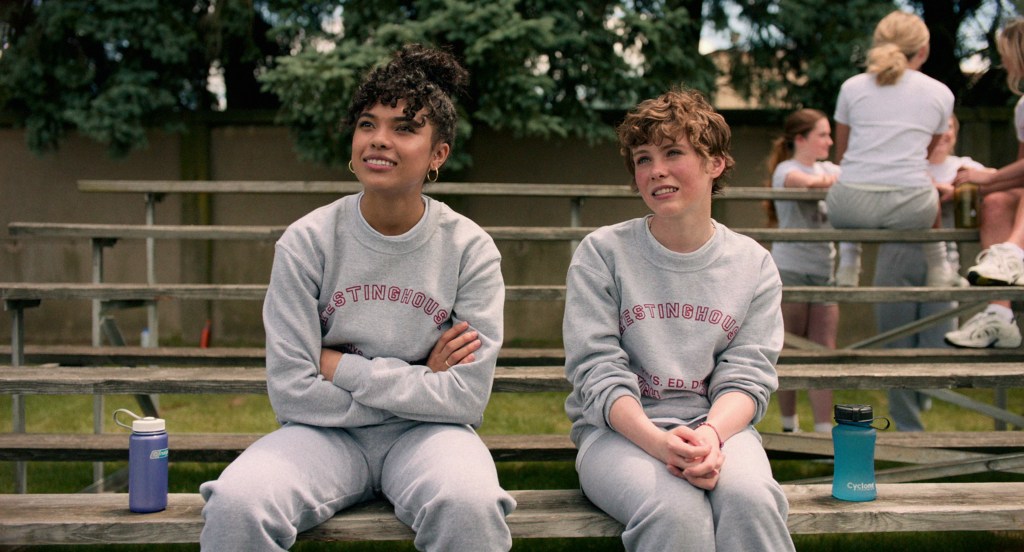
Although it draws on different source material, I Am Not Okay With This is clearly influenced by Carrie. Syd Novak shares many traits with Carrie White. Like Carrie, Syd is dealing with the death of her father and the strain it’s put on her relationship with her mother. At the start of the show, Syd’s only friend Dina starts dating a football player, causing tension in their relationship, especially as Syd comes to terms with her feelings for Dina.
With Dina increasingly unavailable, Syd starts hanging out with fellow outcast Stanley Barber. Syd finds a safe space in Stanley and struggles to figure out whether her feelings for him are platonic or romantic, even as they sleep together. On one of their hangouts, Syd reveals her powers to Stanley, and Stanley doesn’t reject her but rather offers to help her gain control over them. Syd finds acceptance with Stanley — even after she tells him that her feelings for him aren’t romantic — and Dina, but her Carrie moment still happens.
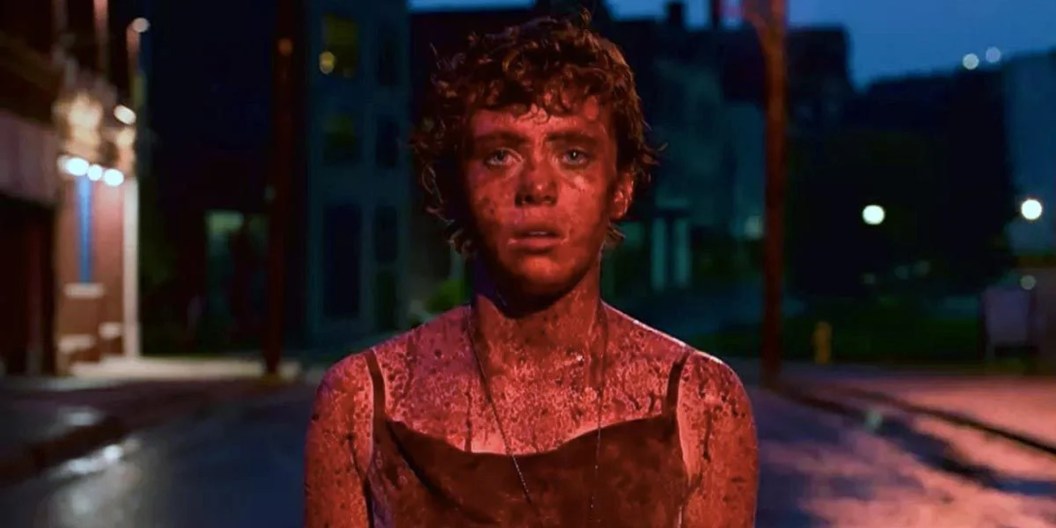
Dina’s former boyfriend has gotten hold of Syd’s diary and exposed not only her recent family situation — her father’s suicide and rising tensions in the family — but also her feelings for Dina. Terrified of Brad also exposing her powers, Syd blows up his head before running out of the gym in panic. The image of Syd is very evocative of Carrie, given her pale prom dress absolutely drenched in blood.
What I Am Not Okay With This Gets Right that Other Carrie Adaptations Still Get Wrong
It’s unfair, and it’s tragic, but the horrific events that take place at the dance for Syd Novak are allowed to be her fault. When Syd explodes Brad’s head, there’s a twisted catharsis in it. He has done her wrong, and she, in a moment, manages to feel the rush of revenge. Then, of course, she panics and runs away from it all. In the events being her fault, Syd has agency in a way that a character who’s absolved of guilt can’t.
Flanagan’s Carrie instead fixates on making sure the audience doesn’t think Carrie is the culpable, or at least sole culpable, one. The first season’s ending finds Carrie driving away with Emaline, a character created for the series with Emaline reassuring Carrie. Instead of ending the story for Carrie at the Prom, Flanagan wanted to explore the thread of Carrie being a part of a larger community of gifted women, something the original novel hints at in its epistolary format but doesn’t delve deeper into. Additionally the framing device of the show, an interview format with testimonials, has other characters such as Sue Snell insist that Carrie was not the only one to blame about what happened at the Prom.
Additionally, the reasoning for Syd’s bullying in I Am Not Okay With This can’t help but make more sense than the reason for Flanagan’s Carrie White. In I Am Not Okay With This, Syd is bullied for being unattractive, her family situation, or her latent queerness. In Carrie, Carrie’s bullied for having her period — something that pretty much teenage girls go through — and for being homeschooled. Carrie doesn’t have a phone, something that sets her apart in the era of social media, and has been sheltered by her upbringing.
Still, Carrie is still conventionally attractive and the show makes a point of having this Carrie be earnest and well-meaning. She doesn’t have the issues with anger that Syd has or share Syd’s disinterest in the majority of her peers. Until a director lets Carrie be fat, and properly ugly, it’s unlikely that a proper Carrie will be brought to the screen again.
Upon watching Flanagan’s Carrie, did you think the story still worked, or did Flanagan change too much about the character? Let us know in the comments!
