


Articles
TV Changed Forever 67 Years Ago When the Best Sci-Fi Series Premiered With a Perfect Formula
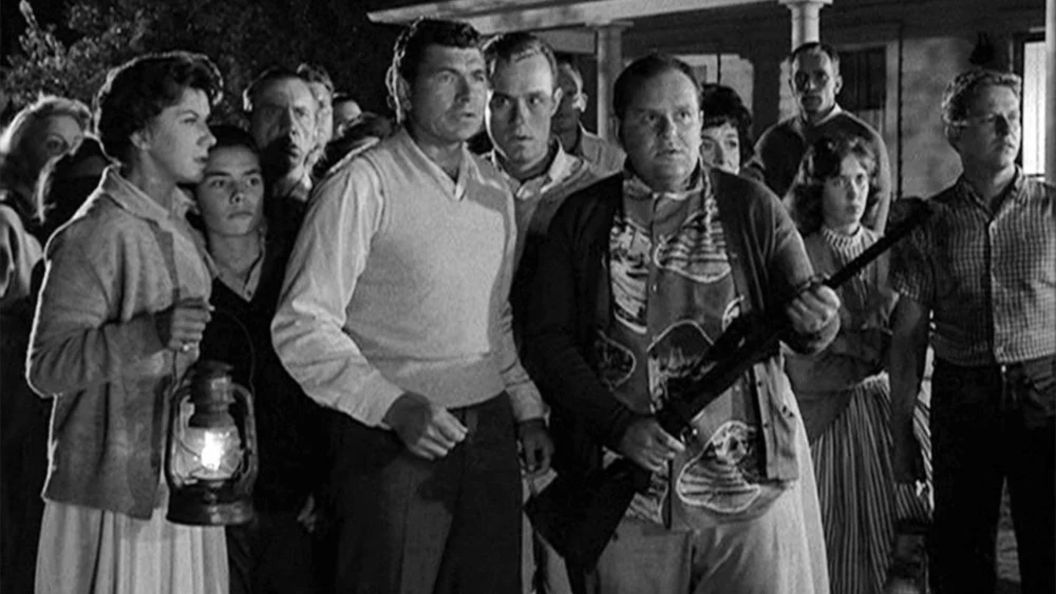
When it comes to television, we live in a pretty great time. You can turn to nearly any channel or network and find something to watch across multiple genres. If you like comedy and drama, you can find those. Fantasy? You’ve got that, too. If sci-fi is your thing then you are especially in luck because there are some truly incredible series in that vein and even a few that blur the lines with other genres, like horror. They’re shows that push buttons and use genre to address real world issues and concerns. But while we have a wealth of such programming now with shows like Pluribus, Silo, and even American Horror Story, this wasn’t always the case. There was a time when sci-fi and other genre television wasn’t necessarily high quality and television in general had to be very careful about how it approached controversial topics But 67 years ago today, one television series made its debut that would change all that, elevating genre small screen programming, perfecting the anthology format, and showing that stories with social commentary could bypass censorship if handled the right way. It changed the medium forever.
On October 2, 1959, the first episode of The Twilight Zone, “Where Is Everybody?”, aired on CBS. The episode saw a man walking alone on a dirt road seemingly with no memory of how he got there or even who he is. As the episode unfolds, the man comes across a town that has seemingly been abandoned as there are no people there. There are various things that happen — a recorded message when he calls the operator, an unattended lit cigar, a book titled The Last Man on Earth, and other things — that leave him freaked out. By episode’s end, it is revealed that it was all a hallucination and the man, Sergeant Mike Ferris, is actually in isolation testing to see if the human mind can handle a trip to the Moon. The episode was met with wide critical acclaim and almost instant popularity — and marked the moment television would end up changing forever.
The Twilight Zone Reshaped How We Saw Genre Television
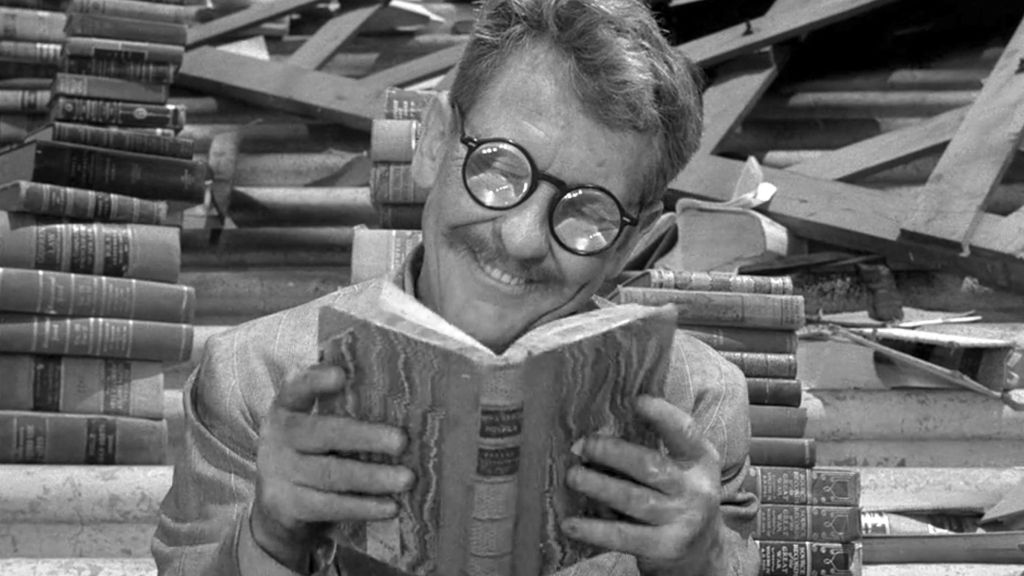
Given how prevalent and genuinely high quality much genre television is today, it’s hard to imagine a time when it simply wasn’t and, more than that, wasn’t taken seriously but that was the state of affairs in 1959. In the 1950s, sci-fi entertainment was pretty much the stuff of camp. The movies were cheaply made, often over the top, and largely seen exactly as that: cheap, over the top entertainment rather than actual art. Television was somehow worse, leaning towards more childish stories and projects all made with low budgets — and those low budgets showed. That isn’t to say that there weren’t good sci-fi movies and television series of the day, just that the bulk of them were not, leaving the entire genre, be it on television, in the movies, or even as literature, considered to be low-brow, inferior entertainment.
The Twilight Zone completely challenged that perception. The Twilight Zone had much higher production values, the stories the series took on came from highly regarded writers like Richard Matheson and Ray Bradbury and the adaptations, frequently written by Rod Serling himself, were of quality and given dramatic elements that turned the episodes from more than just a sci-fi story to real drama that gave The Twilight Zone a sense of gravity and refinement that had never really been seen in genre television. And then there was how the series used sci-fi to address social issues and controversial topics.
The late 1950s were just a few years removed from World War II and the Holocaust and just a few years into the Cold War. There was a lot of social issues happening at that time, but television censors didn’t want that on broadcast. After all, that sort of thing rankled with corporate sponsors. But by wrapping the commentary into allegory, The Twilight Zone was able to address various issues and offer up moral quandaries. Let an alien or a monster be the one to hold the mirror up to society. We still had to see our own reflections; it just hit different. It didn’t take long for The Twilight Zone to establish itself as an elevated entertainment experience that, even for its sci-fi basis, was more about humanity than anything else of its time. It set the standard — and decades on, genre television (particularly sci-fi) is still using the far-fetched and fantastical to make humanity ask some big and uncomfortable questions about itself.
The formula The Twilight Zone used was key to all of this. Every episode had some critical features: ordinary characters that everyone could relate to and thus, get drawn into the story, one miracle element per episode so things stayed believable, the reaction of an ordinary person when the strange, miracle element happens, social commentary as masked by genre elements, and a twist ending to drive it all home with a lesson. It was perfect. And it worked.
The Twilight Zone Also Inspired Future Generations of Storytellers
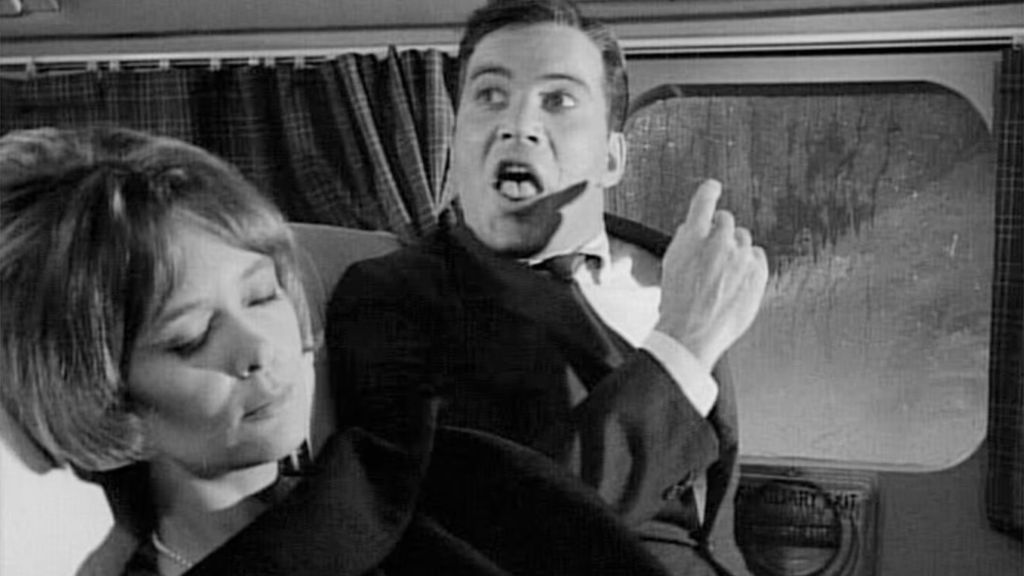
Of course, it isn’t just the functional elements of television shows and sci-fi on television that The Twilight Zone impacted. The series had major influence on future writers and creators with the series going on to inspire many creators. Jordan Peele has been very open about the impression that The Twilight Zone made on him and you can trace the influence of the series into shows like Black Mirror as well — that series in particular shares the social commentary, anthology format, and twist ending elements that The Twilight Zone perfected. The Twilight Zone also helped make some future iconic actors stars. Everyone knows about Star Trek star William Shatner’s infamous The Twilight Zone episode, “Nightmare at 20,000 Feet”, but the actor also appeared in “Nick of Time” in Season 2 as well. Legendary actor (and Marvel star) Robert Redford? One of his earliest roles was in Season 3’s “Nothing in the Dark”.
The Twilight Zone has proven to be one of the most important television series of all time. It’s pretty much never left broadcast in some fashion. To this day, you can find episodes broadcast in syndication or find them streaming on different streaming platforms. It changed how television could address social issues and controversial topics. It gave us important talent that would further shape the entertainment landscape. And, perhaps most of all, it made sci-fi and other genre television respectable It’s easily one of the greatest television shows ever made — and it turns 67 today.
