


Articles
Could This Ultra-Rare Super Mario Bros NES Cart Breach $1 Million?
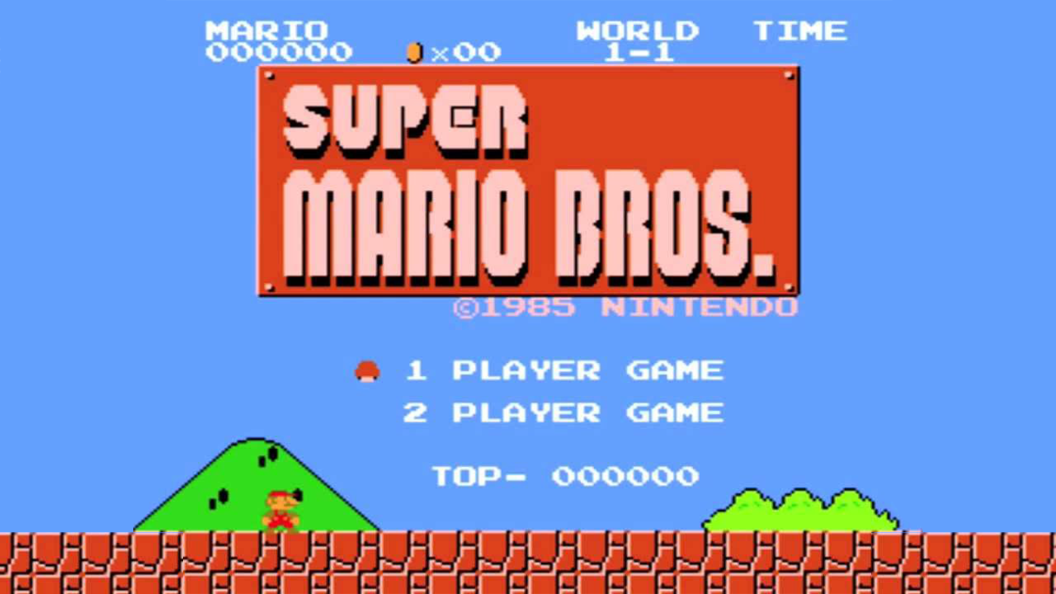
A new vintage NES auction listing is up – offering the opportunity for one die-hard fan to own an ultra-rare copy of Super Mario Bros. Interest in retro gaming has snowballed in recent years, with some astonishing prices recorded for everything from consoles to cartridges. Games for Nintendo systems are particularly valuable, in part due to scarcity of copies in pristine condition, but also because the company has a superior cultural status (Mario, Link, and Pokémon, versus Sonic and, uh, Tails?).
On top of that, the addition of certified grading services have drastically increased the investment value of previously novel collectibles. Graded items can net huge sums – even if they aren’t in pristine condition – depending on the item. As a result, it’s easy to understand why an original Super Mario Bros. copy is primed for a big payout.
Why Is This Copy of Super Mario Bros. So Expensive?
A recent Heritage Auctions listing just recorded a new high bid on a 9.6 A++ graded Super Mario Bros. cartridge, complete with Control Unit (Nintendospeak for a Nintendo Entertainment System). The bid? $637,500, or $796,875 with the buyer’s premium – and there is still almost a week to go.
Copies of this game have sold for astronomical prices in the past, not least in 2021 when a 9.8 A+ sealed box went for $2 million. So, what makes rare games attract such high prices?
Two things usually affect the price. The first is the rarity of the edition, while the second is all about condition. No one is buying these games to play them, even if they’re the best NES titles ever.
In terms of rarity, this particular listing features the first use of a gloss sticker seal, and is from the game’s second production run in 1986. As the listing states: “With no known first-production examples in sealed condition, this is the earliest confirmed sealed copy of the groundbreaking game.”
This is one of only three known copies in this condition, and predates the common factory shrink-wrapping of later runs.
Various factors influence the pricing of a game at auction, and unsurprisingly these are grounded in the condition of the lot. Specialists investigate if the game as been genuinely sealed and left unopened since production, and assess the condition of the box. Unlike the thicker card used for console games in the 1990s, NES titles – like classic Atari games – shipped in flimsy outer card, with a bit of structural cardboard inside to protect the cartridge. So, if a 40-year-old piece of card appears to be completely undamaged, this influences the potential price considerably.
The True Shareholders of Retro Games
However, there is a third element.
As mentioned, the explosion in pricing for classic games – particularly in the Nintendo library – is increasingly driven by investors. Yes, there are collectors, and they do push prices up with their desire to own these rare pieces; they compete, and perhaps in some cases, they have one eye on eventually selling a game for retirement purposes. But retro game collectible investment has gone beyond enthusiasts and into the corporate world.
One example is the collectibles site Rally, which in 2021 bought a Super Mario Bros. original for $140,000 – on the approval of its shareholders. A visit to the Rally website reveals that cartridge and a list of rarities that you can buy shares in, and while they list only a few video games, plenty of cards, comics, and even NFTs are on their books.
Retro gaming collectibles are now in the same sphere as comics and cards, and there is no going back.
Could this ultra-rare Super Mario Bros. with Control Deck end up being bought by an individual, or will it end up in the hands of shareholders? Let us know with a comment below and join the conversation now in the ComicBook Forum.
