


Articles
17 Years Ago, Green Lantern Led the Perfect Zombie Story And It Still Needs an Adaptation
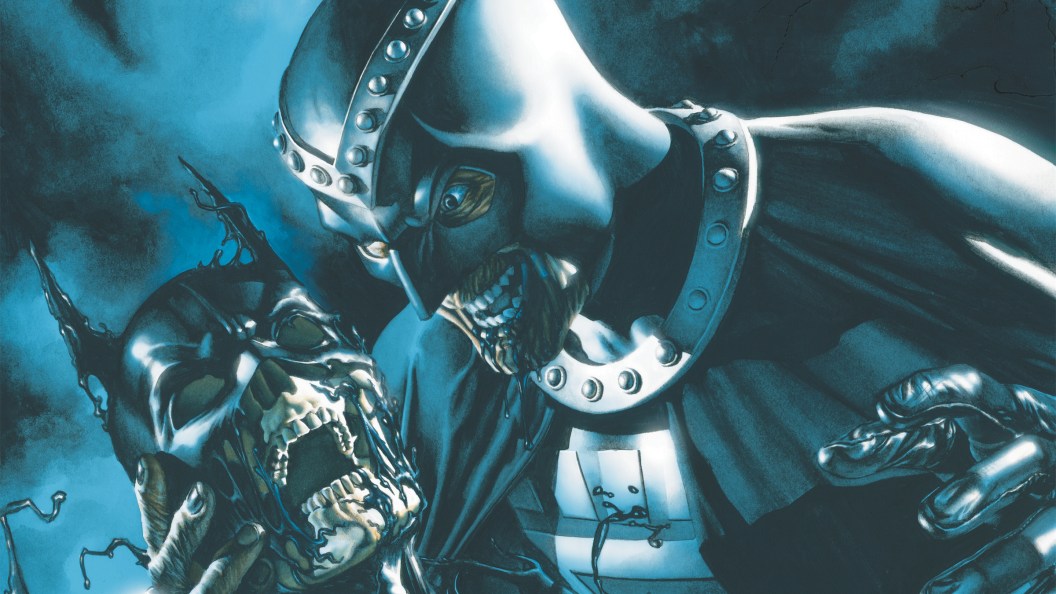
Zombies are a horror concept that has been around for a while now. They trace their origins and name back to Haitian folklore, being popularized in media by the classic 1968 movie Night of the Living Dead. The dead rising once again to consume the flesh or brains of the living is an enduring trope, constantly changing and reimagining itself to best fit the times and new storylines. Of course, as with all occult and horror-aligned juggernauts, their history is tied to comic books in some way. Heck, Marvel had the term zombies copyrighted from 1975 to 1996, although that was fairly impossible to enforce.
Modern zombie stories tend to follow a pretty set routine of a first encounter that traumatizes one or more characters who join a group of survivors, and spend the rest of the work trying to stay alive and fight their base instincts. Traditional zombie stories are all about characters in way over their head, and as they structure themself around powerlessness, they tend not to work well with superhero stories. However, seventeen years ago, DC released the greatest zombie storyline of all with Blackest Night, which claims that title because of its two incredible strengths.
Zombified Battles With Emotional Resonance

The first smart thing that Blackest Night did was give its zombies intelligence. Instead of rampaging, mindless hordes with superpowers, they were twisted facsimiles of characters we had come to know and love. It raised the dead heroes as evil caricatures of what they once stood for, driven by the Black Lantern Rings to infect everyone they could and wipe away hope in all forms. They didn’t want to overpower or consume the rest of the world, but rather drown it in despair and bring all life to an end both metaphorically and physically.
Heroes are used to overcoming impossible odds and death itself, so a mindless army, even a superpowered one, could only be so threatening. The choice to turn the zombies into emotional battles as much as physical ones was genius. Everyone in DC has lost someone, and often that loss is one of their deepest regrets and driving forces. Giving those regrets physical form and a desire to do nothing but tear the heroes apart was the perfect way to make heroes go through legitimate terror and think twice about their fights. Some of the most hair-raising encounters in this story were the ones that attacked the soul instead of the body.
Flipping Expectations and Playing With Established Rules
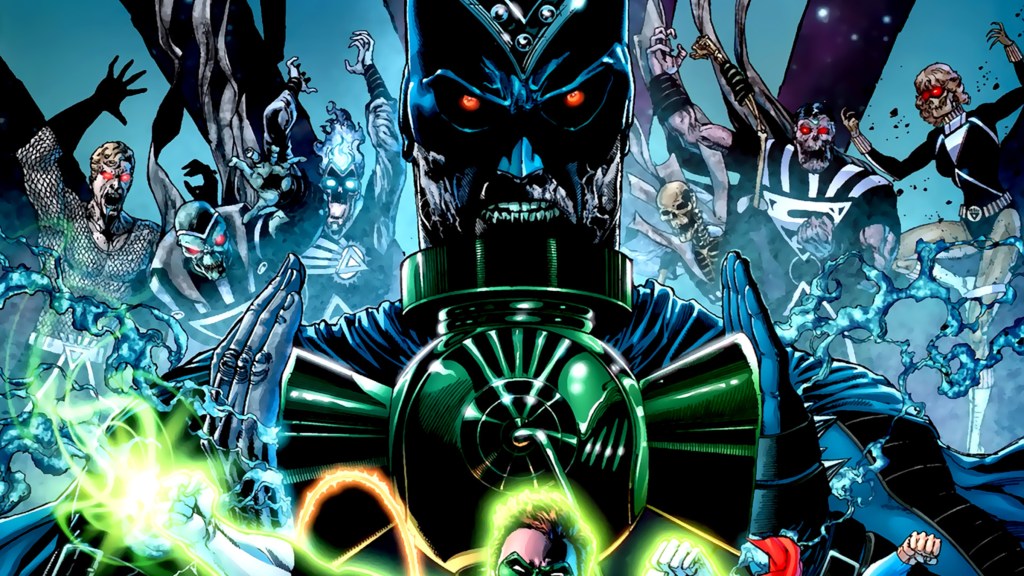
Without a doubt, the best part about Blackest Night is how it plays with established lore. For starters, the build-up to the event was second to none, taking a line from the Green Lantern oath and expanding it to unprecedented proportions with an entire prophecy and mythology built around it. Geoff Johns’ entire expansion of the emotional spectrum was all leading to this massive event. Death has always been a revolving door in DC Comics, and this event forced the heroes to grapple with that reality in more ways than one.
This series is also the site of one of the greatest and best-integrated retcons of all. Nekron revealed that he was responsible for every hero returning to life, having purposefully let them revive so he could grow his army for his eventual invasion. This retcon is the greatest of its kind. It took an overused, often hated trope and gave it a legitimate reason to exist in-universe, as opposed to just being for the audience’s sake or writers’ whims. This completely changed the game in the most fun way possible. Comic books, at the end of the day, are a storytelling medium, but when great comics acknowledge that and use that meta knowledge to integrate it into the story, it’s one of the coolest things of all.
Superheroes have always had a complicated relationship with death. They strive to prevent all forms of death, but so many of them are spurred on by the tragedy of a death in their past. Superman was rocketed to Earth to escape the death of his planet. Batman was created when his parents were shot in an alleyway. This comic forced the heroes to confront death in every form, from the death of a loved one to their own. It pitted heroes against their oldest enemy of all, but made it feel fresh and so very much alive.
What do you think is Blackest Night’s biggest strength?
