


Articles
7 Best Dystopia Sci-Fi Books of the 2020s, Ranked
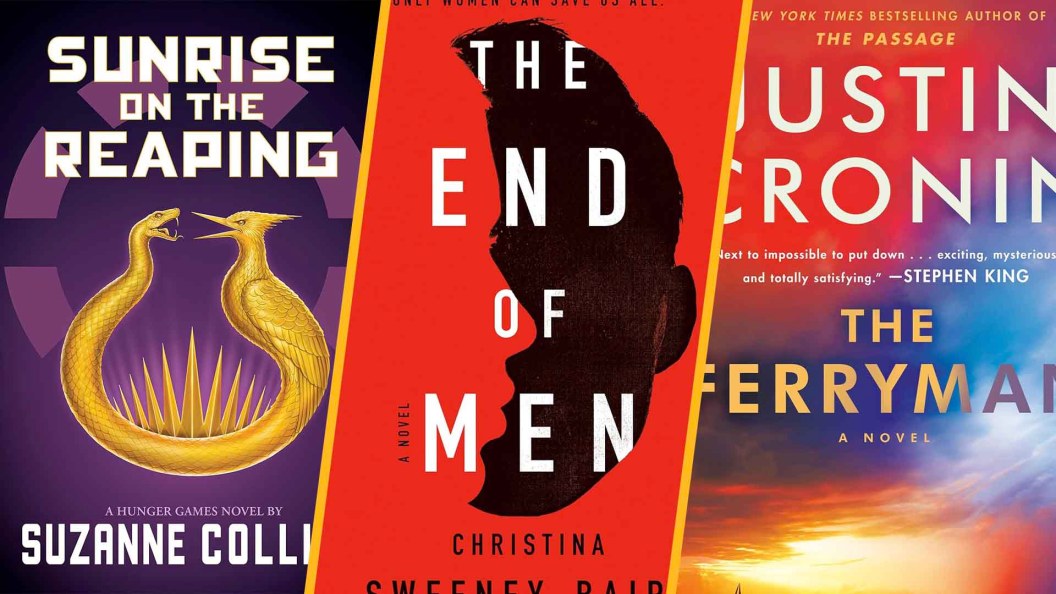
While sci-fi stories take us into fascinating, often high-tech new worlds and push the limits of the imagination, the worlds and realities those stories take us to aren’t always pleasant ones. Often, the stories take us into the darker side of sci-fi, realities where technological advancements or the collapse of the environment or society itself has led to a much darker state of affairs—a dystopia. Worlds defined by oppression and challenges gives us stories of humanity in some of their worst states.
But while these are frequently bleak stories, they are also deeply thought-provoking and fascinating and they make for incredible books. In the past several years, there have been many great dystopia sci-fi novels, each exploring different ways life as we know it has come to an end and the grim ways life continues. These seven books are among the best of the best, each one leaving the reader with a lot to think about not only for the worlds between their covers, but for what lessons those stories could have for our real lives.
7) Black Tide by KC Jones
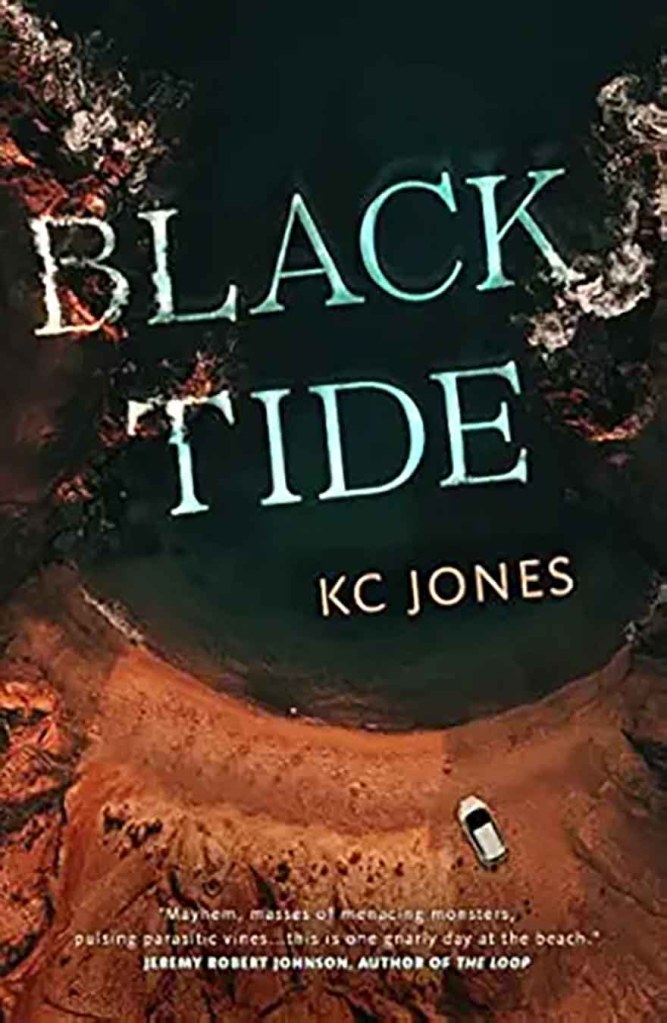
You can consider Black Tide something of a “Stephen King meets A Quiet Place” and while the book leans more towards horror than dystopia let’s be honest: any story where the world ends is something of a dystopia. In Black Tide, two strangers named Mike and Beth meet, get drunk, and have a one-night stand during a meteor shower. However, the next day, they discover that this wasn’t just a normal meteor shower. The event has left massive, widespread destruction and, something even worse is lurking just beyond the sand dunes.
Alien invasion stories are always sort of interesting, but when you toss in both the destruction of life on Earth as we know it, two deeply flawed people who are our only entry into this world, and then the whole desperate attempt at survival, you get a story that is bleak abut also somehow thrilling and oddly hopeful and, in particular, Black Tide has an especially cinematic feel that makes it a delight to read.
6) Wanderers by Chuck Wendig
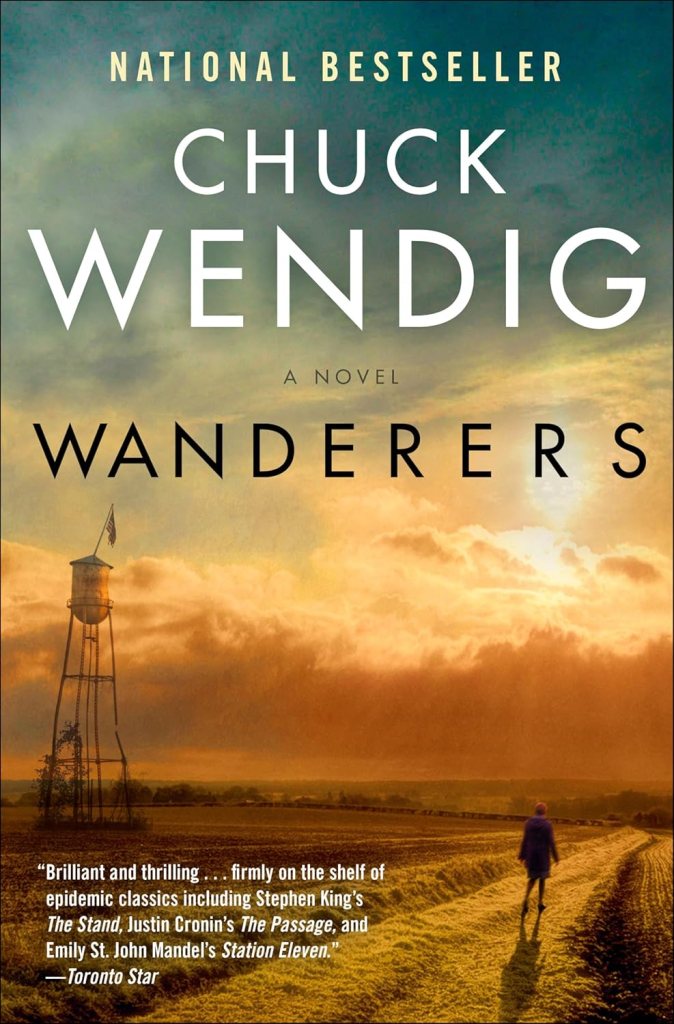
First things first: Wanderers has a sequel, Wayward, so the story continues which is great because Wanderers is a great read. The book centers around a group of people whose lives are totally changed when a teen girl inexplicably just walks away from her farmhouse, destination unknown. She’s soon joined by others in what can only be described as a strange, zombie-like trek across America. As the trek continues, various groups attempt to use the walkers—called the Flock—for their own purposes, including political, religious, and more. There is also an AI element to things which takes the whole terrible situation and makes it even worse.
What makes Wanderers so good is that the characters in the book are all well-written and carefully nuanced. Even the “bad” guys have dimension and layers to them, which isn’t something you always see in dystopian fiction. The story also takes some turns you simply won’t expect—and you’ll be glad the sequel is already available.
5) The Deluge by Stephen Markley
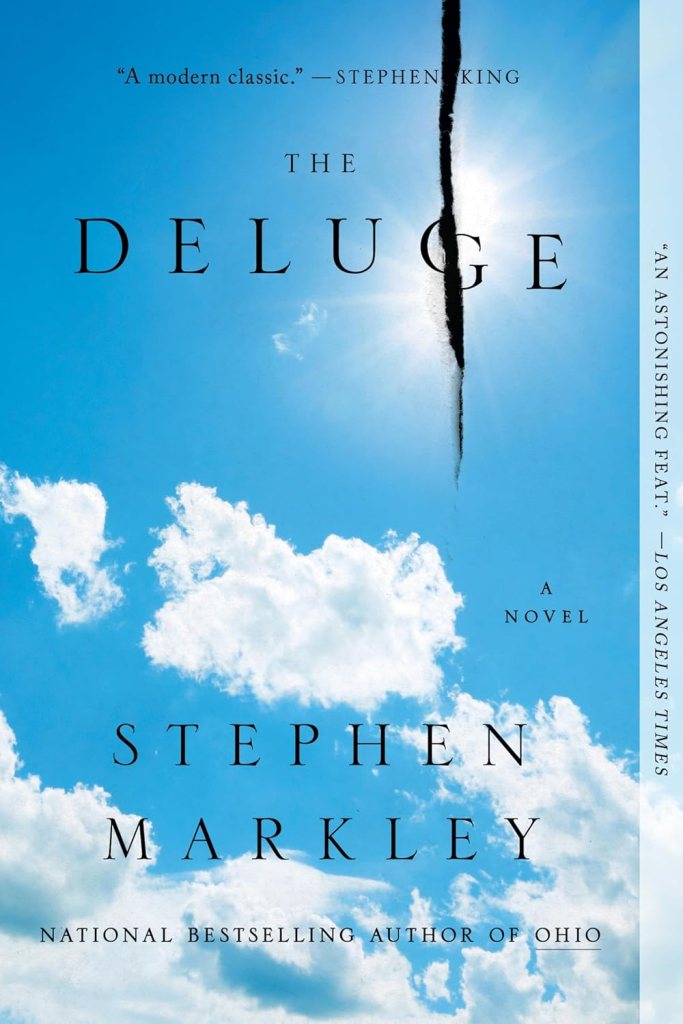
The main reason that The Deluge ranks so low on this list is its size. Clocking in at 880 pages, The Deluge is a lot of book and can be a lot to read, but it’s also a truly incredible book (and one that has kept me awake at night more than once.) The Deluge is part of a subgenre of sci-fi called cli-fi, short for climate fiction, and slowly tells the story of the collapse of American society between 2013 and 2040 by tracking the collapse of every aspect of it—politics, culture, society, even the environment—as global warming ramps up due to the release of trapped methane in the warming oceans. Because the book is told over such a long period of time, we get to see things fall apart in pieces in a way that is almost disturbingly real.
That is honestly what makes this book brilliant. While it’s fiction, it feels more like reading history as it happens. The fact that we follow this slow collapse across different narrative styles and from different, diverse characters, makes things even more realistic. It is by no means an easy or comfortable read, and like I said it still wakes me up at night, but it’s genuinely a fantastic book and a reminder that dystopias don’t have to always be the end result of something; they can be actively in progress.
4) The Dream Hotel by Laila Lalami

A newer release (it came out in 2025) The Dream Hotel takes the ideas of the AI algorithm and makes it something truly horrifying (or rather, more horrifying than it already is.) Set in a near future reality, AI monitors peoples dreams to predict and also prevent crimes. When Sara Hussein finds herself detained at the airport after AI flags her dreams as making her a risk to her husband, Sara is incarcerated merely for her thoughts, leading her to have to fight the system for freedom.
There is something twisted about a world where your dreams can be criminalized by a computer, but there are some very chilling and interesting themes about technology, the growing danger of AI, and privacy. It’s a somewhat quiet novel, but it’s full of fantastic social commentary and is a great read.
3) Sunrise on the Reaping by Suzanne Collins
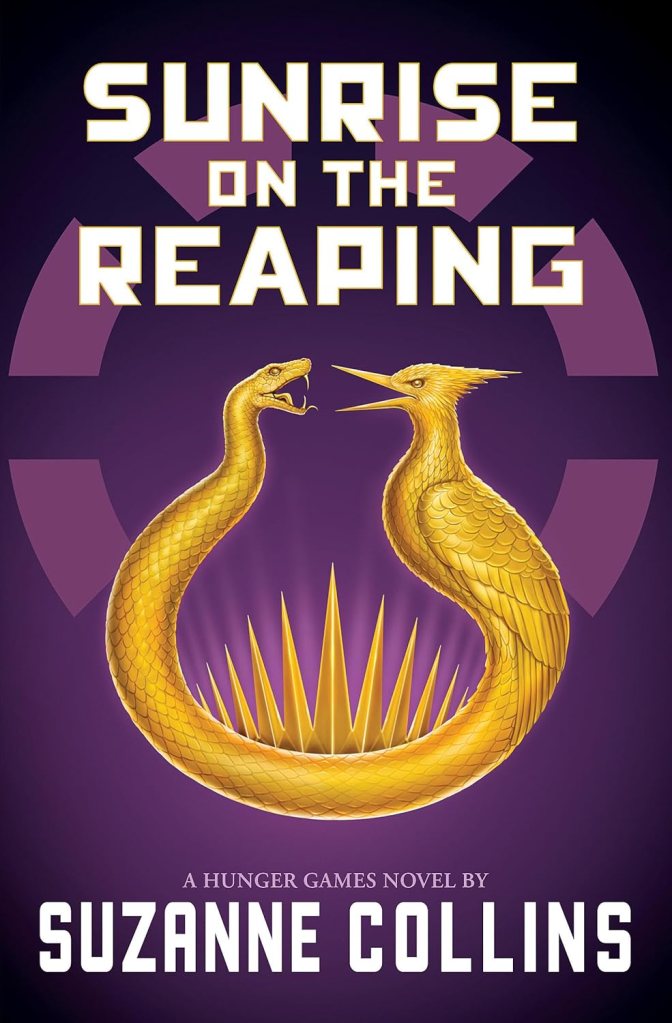
While the sci-fi elements of The Hunger Games books are more muted and in the background, they are still there which is why this lands on this list—it’s not just a straight dystopia, though we often read The Hunger Games as such. Sunrise on the Reaping is a prequel of sorts, digging into the story of Haymitch’s Hunger Games. The story finally gives us the deeply traumatized character’s backstory and explains why he is the way he is when we meet him as Katniss and Peeta’s mentor.
It is a harrowing book that, while it has the same general themes and similar events to what we’ve seen in other installments of the series, ends up improving the rest of the series simply by offering fresh context. It also sharpens the focus on just how cruel the Capitol really is. You’ll never look at the rest of the series the same way again.
2) The End of Men by Christina Sweeney-Barid
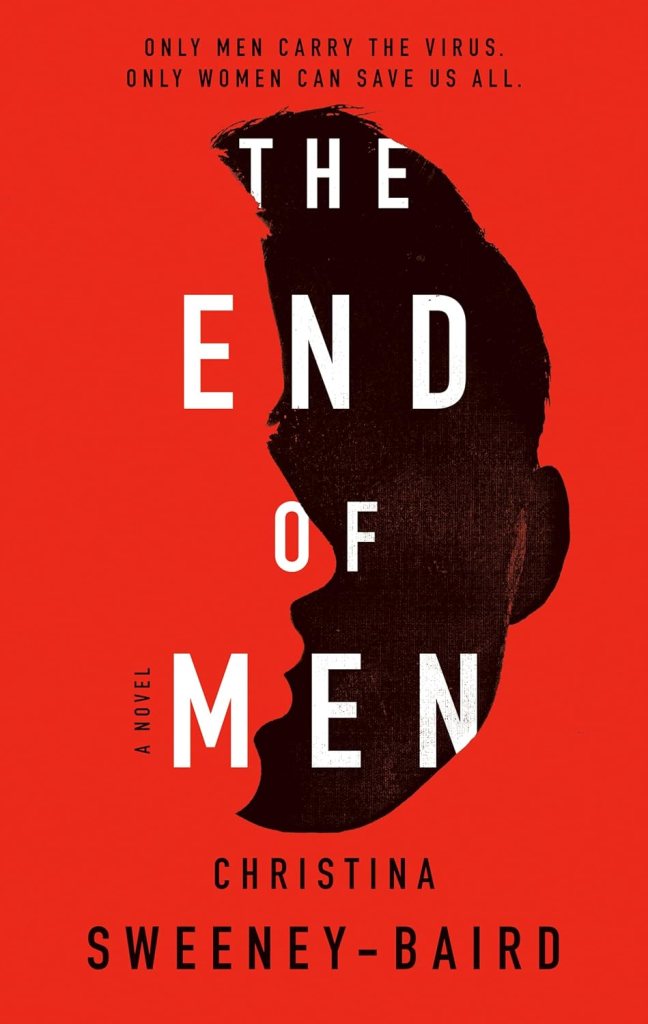
Stories where men are largely wiped-out leaving women to rebuild society aren’t new. The exploration of female-led societies makes for some truly fascinating literature. However, The End of Men in particular takes the approach of telling the story from multiple perspectives rather than making it one linear adventure if you will. It’s an approach that makes all the difference. In the book, a pandemic in 2025 delivers a virus that is carried, transmitted, and lethal to men. While a very small percentage of men are immune, soon the male population is wiped out and women are left to pick up the pieces.
There are lots of elements to this crisis and by following different characters—including the doctor who treats patient zero and a social historian—we get a look at what society without men would look like and just how deeply it would change everything as well as what it would mean if women were really in charge. And, no, the “dystopia” isn’t that women are in charge.
1) The Ferryman by Justin Cronin

While any book on this list could easily be in the top spot, I’m going with The Ferryman because the best dystopias are personal and this novel is certainly that. The story follows Proctor, a man who serves as a ferryman responsible for taking the elder citizens of a utopian society to where they can be reborn as teenagers. However, as the story unfolds we find out that there is far more to this utopia than meets the eye and there’s a reason people are reborn as teens.
The revelations in The Ferryman are too impactful to even hint at if you haven’t read the book, but the story is an exploration of love, grief, and loss wrapped up in a sci-fi story full of class conflict and human exploration. It’s a book with rich layers and major emotional impact and it’s a read that will haunt you for a long time to come.
What do you think? Leave a comment below and join the conversation now in the ComicBook Forum!
