


Articles
Three Years Later, Apple’s 82% RT Godzilla Show Is Finally Fixing Its Weirdest Plot
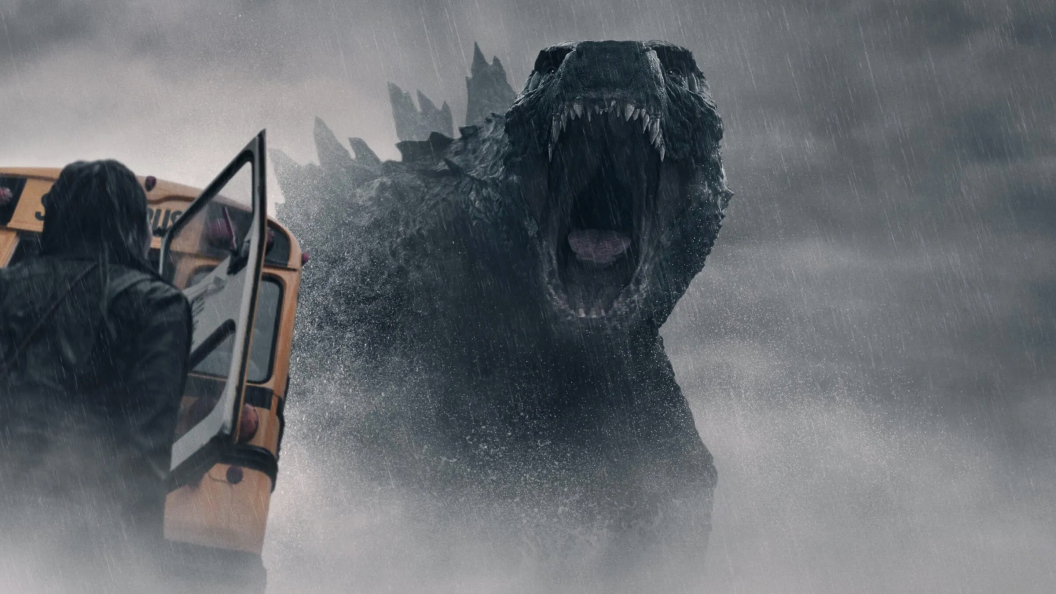
Like all the best monster stories, Monarch: Legacy of Monsters is very much a human story. That’s particularly true of Season 2, episode 3, in which Monarch‘s cast scatter across the globe in heartbreak after Cate accidentally unleashed Titan X upon the world. Cate herself is wracked by guilt over what she’s done, holding herself responsible for the chaos she fears this new Titan will bring in its wake.
Meanwhile, Keiko and Hiroshi work together to try to find a way to control this new creature, a Titan now named Co’cai. It leads to something Hiroshi certainly never expected to see, as he spends some mother-son time with Keiko, who he believed had died so long ago. This also provides an important opportunity to shine a light on one of the weirdest subplots in the whole show.
Monarch’s Strangest Subplot Involves Hiroshi’s Family
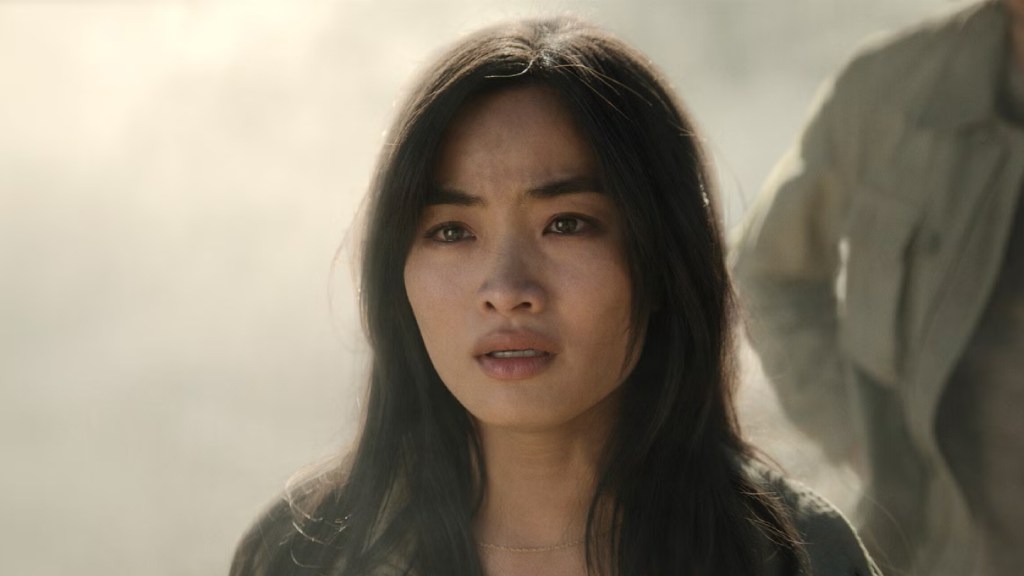
Monarch Season 1 kicked off in the aftermath of G-Day, with Cate sent to Japan after what she believed to be her father’s death. To her shock, Cate stumbled upon a second family, discovering that Hiroshi Randa had lived two lives, with two children who had never known one another. Needless to say, it came as something of a shock for both Cate and her newfound brother, Kentaro.
The two Randa children soon focused on tracking their father down, and all roads led to Monarch – the organization Hiroshi had worked with for so long, but had now abandoned. The personal subplot was largely sidelined, but there were occasional hints that Hiroshi felt he had no choice, because he had fallen in love with two women and wanted to live both lives. He didn’t appear willing to deal with the betrayal he’d caused for either family… but Monarch is finally dealing with it.
Keiko and Hiroshi Are More Alike Than They Think

Monarch has always explored different parts of the Monsterverse timeline, and Season 2’s flashbacks are serving a subtle purpose. They’re stressing the parallel between Keiko and her son, because she too loved two men: Lee and Bill. There had been sparks between Keiko and Lee in Season 1, but she wound up committing herself to Bill, and it seemed as though she never pursued anything with Lee. Season 2, however, has revealed that they did indeed wind up hooking up one night in 1957.
It was only one night, and Keiko regretted it. Disturbingly, though, it had so unforeseen consequences; she wrote a note to Lee to bring their relationship to an end, to clear things up and stress her commitment to Bill. But Lee vanished into the Axis Mundi, and Bill took his belongings. Disturbingly, Bill discovered the letter in 1962, and it seems that is the moment when he chose to walk away from Keiko’s son, Hiroshi. Keiko’s love for two men led to betrayal as well, and to the destruction of her family.
Monarch is Finally Dealing with its Big Hiroshi Problem

Hiroshi was merely an enigmatic presence in Monarch Season 1, but that could never last; if he didn’t die in the end, the show was always going to have to turn him into a major recurring character. The core problem, though, is that viewers need to be able to sympathize with him, and that’s rather difficult to do without making his two marriages a little more… understandable. It isn’t that audiences need to approve of him, but at the least they need to relate to him. This can either be achieved through flashbacks (and he’s not important enough for that), or through something more sophisticated.
Monarch is taking the latter route. In the past, Keiko’s history demonstrates how similar she is to Hiroshi; by making viewers sympathize with Keiko, the show is subtly doing the same with Hiroshi. Meanwhile, in the present day, Keiko is trying to get to know her son. That naturally means she’s facing those similarities, the question of whether she too did the right thing all those years ago, and the betrayals she made that have had such terrible consequences.
Monarch‘s writing hasn’t always been particularly subtle (and some dialogue is often a little too on-the-nose). This is an exception, however, because the writers are skillfully navigating the most difficult subplot they’d left for themselves, and the show is making Hiroshi more compelling as a character as a result. Hiroshi’s lies and betrayals will never be justified, but he can still become sympathetic.
What do you think of Monarch Season 2? Leave a comment below and join the conversation now in the ComicBook Forum!
