


Articles
53 Years Ago, An Award-Winning Teen Dramedy From A Freshman Filmmaker Made Star Wars Possible

Star Wars is one of the largest media franchises on the planet, stretching across theatrical releases, TV shows, video games, comic books, novels, and a toy and collectibles business that brings in billions of dollars every year. With the franchise approaching its 50th anniversary in 2027, the galaxy far, far away keeps expanding, with Disney overseeing more anime productions and a new wave of blockbuster tentpoles. The influence of Star Wars in pop culture makes it easy to forget how close the franchise came to never happening at all. In fact, the 1977 film that launched George Lucas’ empire only reached theaters because a modest coming-of-age movie convinced a skeptical studio to bet on the filmmaker a second time.
Following its festival premiere in Locarno, Switzerland, American Graffiti was released in the United States on August 11, 1973. Directed by Lucas from a script he co-wrote with Gloria Katz and Willard Huyck, the film follows a group of high school graduates through one night of cruising and drag racing in Modesto, California, during the summer of 1962. The movie was produced by Francis Ford Coppola for roughly $750,000, and starred Richard Dreyfuss, Ron Howard, Paul Le Mat, Charles Martin Smith, Cindy Williams, Candy Clark, and Mackenzie Phillips, alongside an early appearance from a then-unknown Harrison Ford. American Graffiti went on to earn more than $140 million worldwide and secured five Academy Award nominations, including Best Picture and Best Director, along with a Golden Globe win for Best Motion Picture, Musical or Comedy. Those results set the path towards Star Wars.
How American Graffiti Led to Star Wars
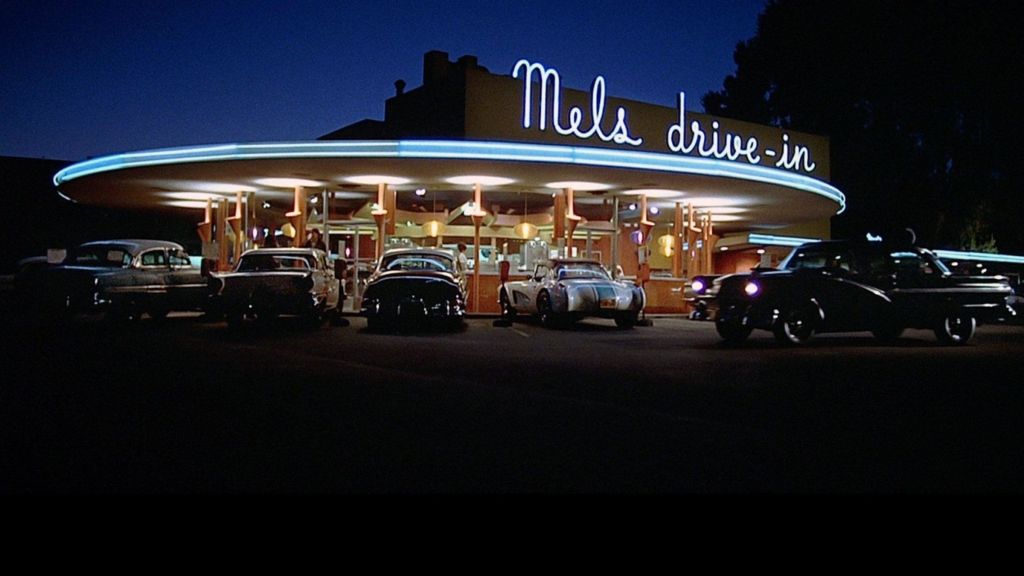
Even before American Graffiti reached theaters, Lucas had already pitched a rough treatment for Star Wars. United Artists and Universal both turned the project down, with 20th Century Fox executive Alan Ladd Jr. championing the deal internally after learning about the buzz American Graffiti was receiving in film festivals. After attending a screening of the finished Graffiti, Ladd Jr. committed to backing whatever Lucas wanted to make next. Lucas signed on for the standard three-part payment of $50,000 to write, produce, and direct, a modest arrangement by studio standards, while Gary Kurtz, who had also produced Graffiti, moved over to produce Star Wars as well.
Once American Graffiti opened, it kept selling tickets for an entire year, eventually finishing as the third-highest-grossing film of 1973. That kind of return gave Lucas real leverage during his Star Wars negotiations, but rather than take a larger salary, he accepted a reduced directing fee in exchange for full control over merchandising and sequel rights. Fox agreed to the terms because the studio didn’t expect either to be worth much. While in hindsight that looks like an awful deal to Fox, until Star Wars, no movie had ever managed to branch out into merchandising as its own thing. Lucas also used his Graffiti earnings to buy Lucasfilm’s first headquarters and to help fund Industrial Light and Magic, the visual effects division built specifically to bring Star Wars to the screen. Finally, Fox’s initial budget offer of roughly $8 million eventually grew to around $11 million, with Ladd repeatedly persuading his studio that Lucas’s track record justified the increase.

While American Graffiti allowed Lucas to keep creative control of his space opera, Fox executives grew increasingly concerned with the project as the movie took shape. Fox built its distribution with low expectations, pairing Star Wars with the romantic drama The Other Side of Midnight and releasing the space film across just 32 theaters over Memorial Day weekend in 1977. The studio also planned to pull the picture after only two weeks, with executives reportedly seeing Star Wars as a childish adventure that would likely damage the Fox brand. Those predictions proved wrong within days, and Star Wars eventually became the highest-grossing movie in history at the time.
Star Wars Changed the World, and It Keeps Expanding
Nearly five decades after that opening, Star Wars has grown into a multimedia enterprise that remains one of the pillars of Disney’s business, even though the franchise prepares for a massive overhaul. Both Star Wars and Marvel Studios don’t have a live-action series in development for the first time since the inception of Disney+, signaling a change in the company’s streaming strategy. That means Ahsoka‘s second season stands as the last confirmed live-action Star Wars season still on the schedule.
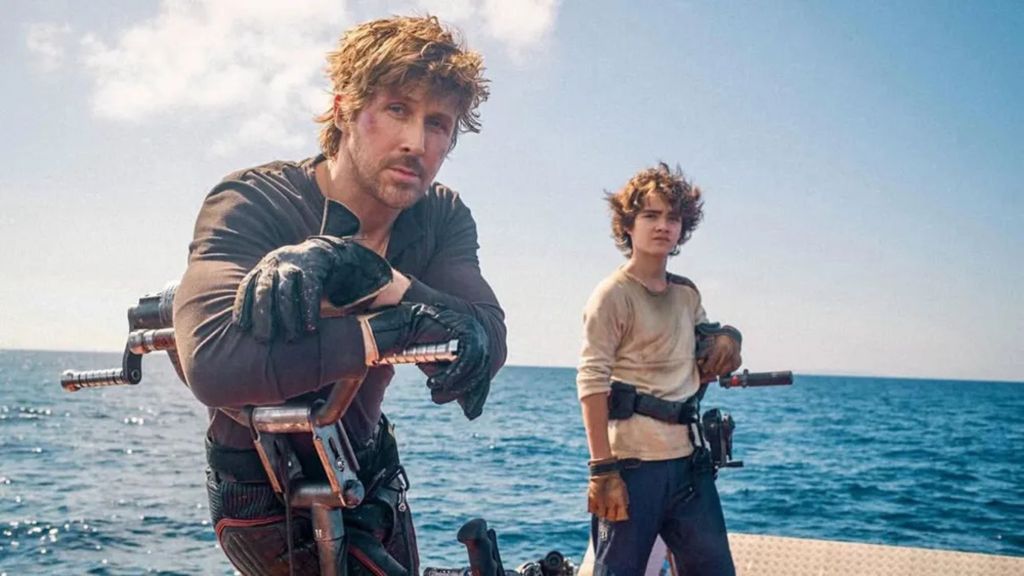
At the same time, the theatrical schedule is heating up. Earlier this year, Star Wars: The Mandalorian and Grogu ended a seven-year hiatus for Star Wars in theaters. This theatrical push continues with Starfighter, a standalone film led by Ryan Gosling and directed by Shawn Levy, scheduled for release on May 28, 2027. Furthermore, a separate film centered on Rey (Daisy Ridley) remains in development under director Sharmeen Obaid-Chinoy, known informally by the working title New Jedi Order. The animated side of the franchise has stayed considerably busier, with Dave Filoni’s Darth Maul series Shadow Lord and a full-length spinoff of the Visions anthology, centered on the character Kara from The Ninth Jedi shorts. So, while the future of the brand is still taking shape, Star Wars will remain a key part of pop culture for many years to come.
