


Articles
5 Major Changes Avatar: The Last Airbender Season 2 Makes to the Original, Ranked by How Well They Work

Netflix’s Avatar: The Last Airbender is back for Season 2, and while the live-action show tackles most major beats from the Nickelodeon show’s Book 2, it makes a lot of changes in the process. With Avatar: The Last Airbender Season 2 being just seven episodes, some of these choices are more understandable than others. Even with hour-long runtimes, there’s hardly enough space to cover everything from the main show. Plus, the actors look older, necessitating some rejiggering when it comes to the timeline.
But similar to the first outing, Season 2 of Netflix’s adaptation makes some head-scratching choices alongside its more thoughtful ones. The most concerning actively alter the characters’ motivations and challenges heading into Avatar: The Last Airbender Season 3. They’re strong reminders that adaptations rarely capture the magic of their original stories completely. In these instances, it’s best to take them as their own thing instead. These are some of the major changes made to Season 2, from the ones that work the best to the most difficult to swallow. SPOILERS ahead for Netflix’s Avatar: The Last Airbender Season 2.
1) Avatar: The Last Airbender Season 2 Takes Place Further From the Siege of the North Than Book 2
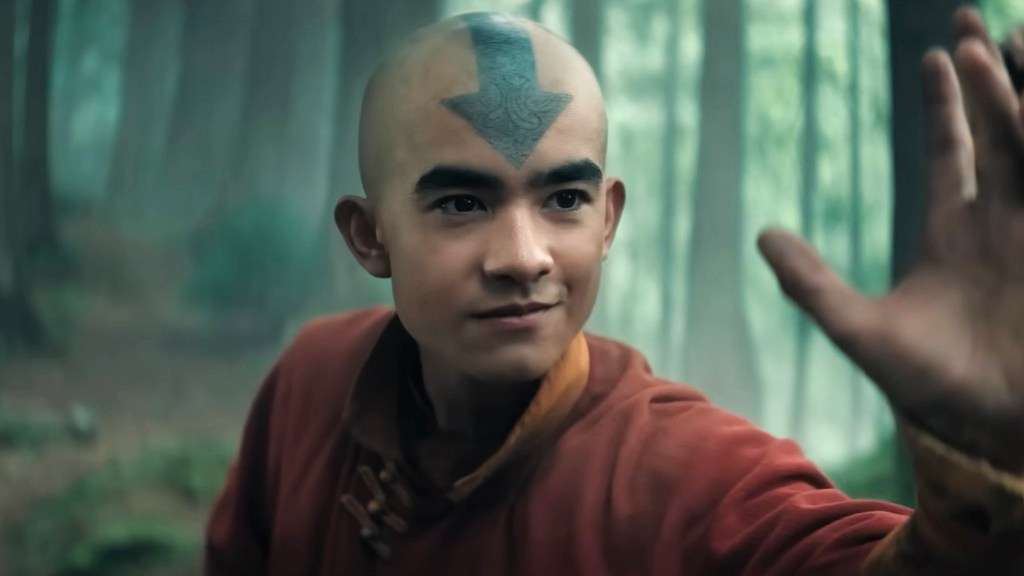
Avatar: The Last Airbender Season 2 changes the timeline of the story right off the bat, and it’s something that needs to be done. The child actors who play the members of Team Avatar are noticeably older in this outing, so the series implements an in-universe time skip to make sense of that. The season premiere doesn’t explicitly tell us how much time has passed, but it’s obvious it’s been a year or two. That’s much further out from the Siege of the North than the opening of the original show’s Book 2.
Although this is a pretty significant adjustment, the Netflix series doesn’t spend too much time focusing on it — and it maneuvers it pretty seamlessly. There are a few references to Aang getting older, and the timeline for Sozin’s Comet must be readjusted. However, the time skip doesn’t have a major impact on the story. It’s much easier to overlook than Season 2’s other big shifts from the source material.
2) Zuko & Azula’s Family Dynamics Are Slightly Different
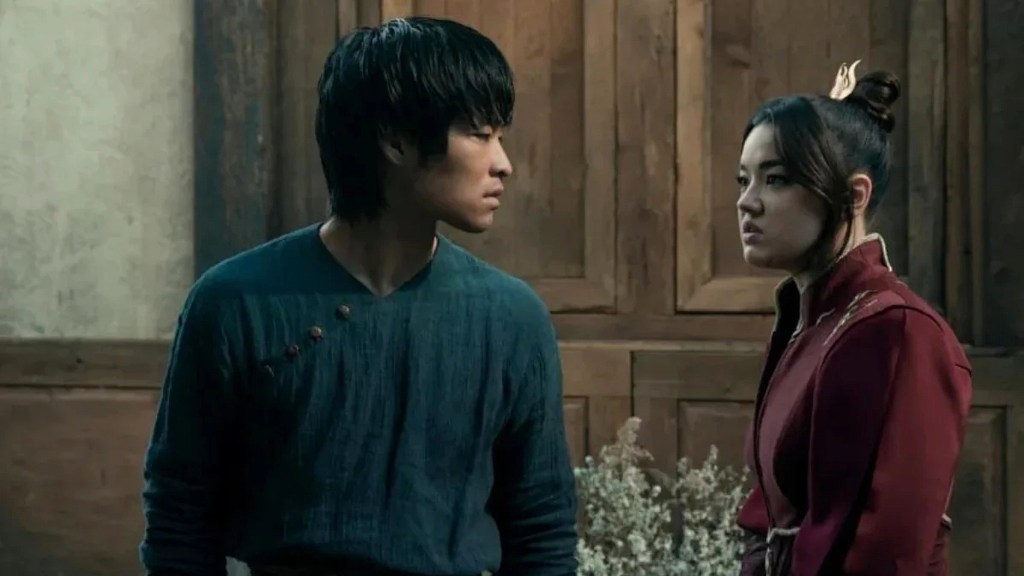
The original Avatar: The Last Airbender does a great job with its villains, and their family dynamics make them all the more complicated. While the royal family’s bonds are still complex in the live-action series, Season 2 tweaks them a bit. Although Ozai brands Zuko and Iroh traitors at the beginning of Book 2, he asks Azula to bring Zuko home so he can pardon him in the live-action series. It’s likely he’s manipulating her — he doesn’t seem to care much for either of his kids — but it alters the way all three characters operate. On top of that, Zuko and Azula’s backstory is slightly different, especially in regard to Ursa. The adaptation shows their mother attempting to run away with her children before she’s exiled. This gives Azula little reason to feel abandoned, and it changes the reason Ursa is gone.
These changes to Avatar: The Last Airbender‘s villains aren’t terribly jarring, but they’re enough to raise eyebrows. They do change the characters’ motivations and relationships, and they raise the possibility of taking them in different directions in Avatar: The Last Airbender Season 3. Whether the show will do that remains to be seen. If it does, it’d better approach that decision with care. While Ozai could be better characterized in the original story, Zuko and Azula’s narratives are pretty seamless as-is.
3) Aang Is WAY More Angsty in the Live-Action Show

Team Avatar has their share of arguments in the Nickelodeon series — things between Toph and Katara can get especially heated — but there’s a lot more angst in Avatar: The Last Airbender Season 2. Aang faces some major issues with trust, even getting a whole expanded storyline with Long Feng. As time goes on, he even starts to question Katara, Sokka, and Toph. It goes beyond his rage when Appa disappears. In one out-of-character scene, he even gives Katara a hard time for helping people as the Painted Lady. And he leans into the idea that no one can possibly understand him. Basically, this version of Aang is a lot more angsty than his animated counterpart.
It’s clear the live-action Avatar: The Last Airbender is trying to dig deeper into Aang’s feelings about being the Avatar, which isn’t the worst thing it could do. However, some of Season 2’s choices don’t make it easy to root for Aang, and they reflect poorly on the charming bonds that carry this story. I suppose Aang’s actions sort of make sense with all the pressure he’s under, but these moments make him feel like a far cry from the character we know and love.
4) Book 2 Brings the Library and Painted Lady Storylines to Ba Sing Se
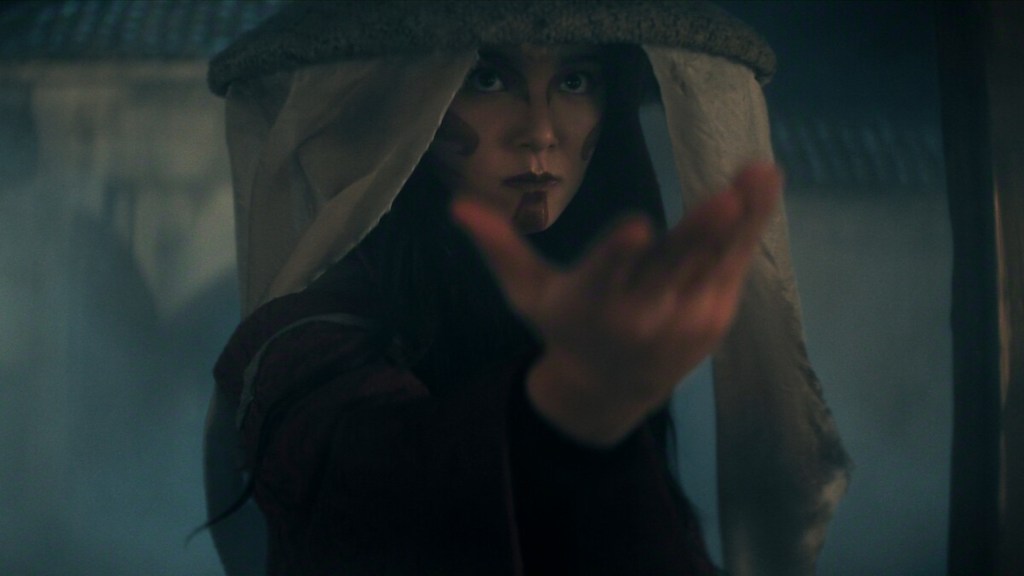
Avatar: The Last Airbender Season 2 does its best to keep the characters in Ba Sing Se once they arrive, and it brings storylines from the animated series to the Earth Kingdom capital despite them not originally happening there. The Painted Lady narrative, which actually unfolds in a Fire Nation village in Book 3, becomes Katara using the spirit as a means of helping people in Ba Sing Se. And the trip to Wan Shi Tong’s library, which requires a trek through the desert in the animated show, happens in the Spirit World instead. As a result, both storylines look much different than their animated versions.
Although jumbling storylines makes sense for an adaptation, these choices are a bit perplexing. The whole library sequence unravels differently, with the series even killing Jet there instead of beneath Lake Laogai. It gives the character a more straightforward send-off than the animated show, sure, but the cost is totally upending the circumstances of his death…and I’m not actually convinced this is better. Appa also isn’t stolen by Sandbenders, and there’s a lot of weird stuff going on within the library, including encounters with past Avatars. Changes like this feel unnecessary, especially knowing how well done they are in the original.
5) Avatar: The Last Airbender Season 2 Skips “The Guru”…and Lets Aang Master the Avatar State?
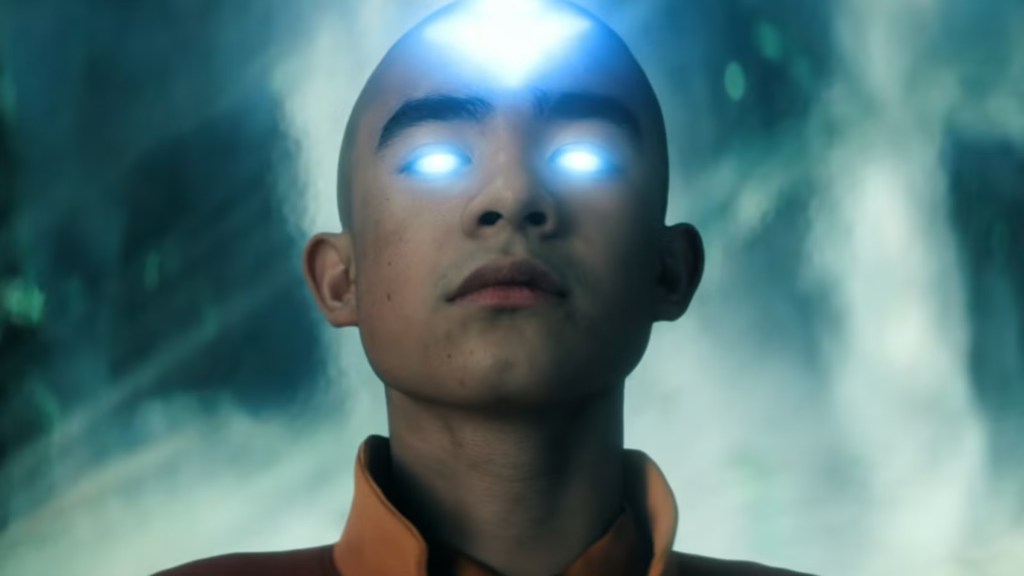
Probably the most controversial change Avatar: The Last Airbender Season 2 makes to the original series is the choice to skip over the events of “The Guru” — and then allow Aang to properly master the Avatar State while fighting Azula. Much of Season 2 revolves around Aang’s inability to control the Avatar State, and in the animated show, he trains with Guru Pathik to unlock his chakras and master it. However, just as he gets close to doing so, Guru Pathik insists he must let go of his worldly connections, Katara included. In a true Luke Skywalker moment, Aang can’t do it, and he leaves the Guru and the Avatar State behind to help his friends.
The live-action show cuts this entirely, which removes a significant part of Aang’s journey. It also has him master the Avatar State during his conflict with Azula, while she shoots him down before he can transform in the animated show. It’s outright bizarre that she’s capable of beating him when he’s fully in the Avatar State, and it doesn’t make much sense that he’s suddenly capable of accessing and controlling it. The live-action series needed to cut certain details from the original, but these parts of Aang’s arc should’ve been kept. They’re crucial to his character.
What did you think of these changes? Leave a comment below and join the conversation now in the ComicBook Forum!
