


Articles
40 Years Ago, An Iconic Sci-Fi Sitcom Premiered & Was Hell for the Cast (& It Starred a Puppet)

Forty years ago, television audiences met one of the most unique sitcom characters ever to invade primetime. On September 22, 1986, ALF premiered on NBC, introducing viewers to a wisecracking alien who crash-landed into the Tanner family’s garage and promptly made himself at home. He was furry, sarcastic, obsessed with food, and had an unfortunate craving for the family’s cat. This formula resulted in one of the most recognizable sitcoms of the 1980s. But there was something brewing behind the scenes that audiences couldn’t see. Producing the TV show was an exhausting ordeal for the people bringing it to life.
That was largely because ALF wasn’t a computer-generated character or a traditional actor in an alien costume. He was a puppet, operated from beneath the set by creator and performer Paul Fusco and his team of puppeteers. The Tanners might have looked like an ordinary sitcom family in their living room, but underneath them was an elaborate maze of holes and trenches. For the actors, that meant avoiding hidden openings, complicated blocking, waiting for ALF to be positioned, and repeatedly performing scenes around a character who wasn’t actually standing there.
Why Was the ALF Sitcom So Difficult to Film?

The very thing that made ALF unique was also the source of many of its production headaches. Paul Fusco created ALF and performed his voice while helping operate the puppet from beneath the set. The production had to be physically constructed around him, with the soundstage floor raised several feet to create space for the puppeteers. Multiple puppeteers could be involved in operating the 4-foot-3-inch character. They’d use a combination of hand controls and mechanisms to make ALF appear capable of moving naturally around the Tanner home.
That made even an ordinary sitcom scene surprisingly complex. The actors couldn’t simply walk anywhere they wanted because the floor contained openings for the puppeteers. Whenever ALF had to move, the production could lose considerable time getting the puppet into position. Anne Schedeen, who played Kate Tanner, even recalled falling through one of the openings during filming. What looked like a family casually talking around their living room on television could therefore require a remarkable amount of choreography behind the camera. In 2026 and beyond, it might be an easier show to produce, but CGI wouldn’t create the same magic. Fortunately, Ryan Reynolds brought back ALF true to form.
The ALF Cast Had a Very Different Experience Behind the Scenes
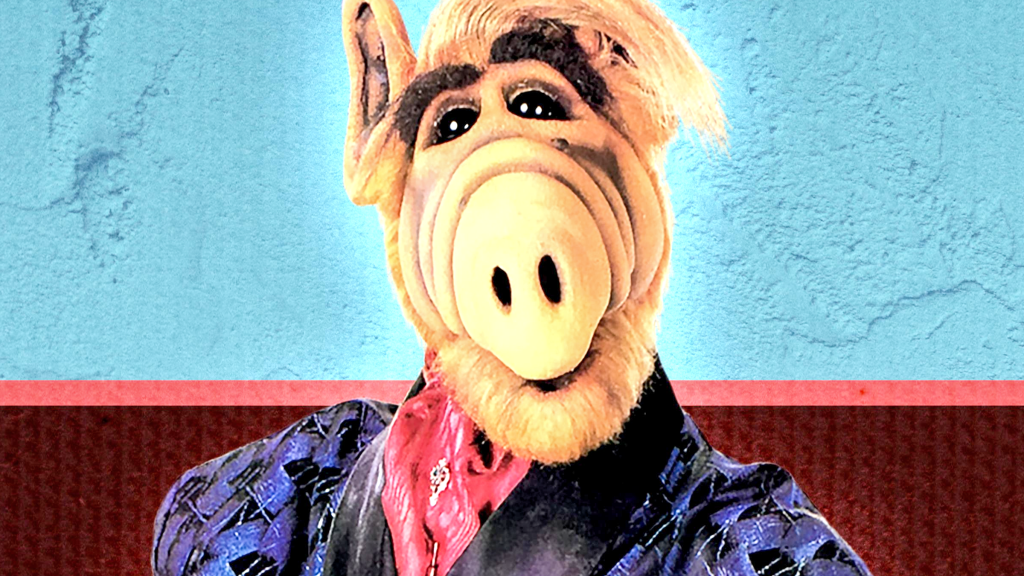
The difficulties went beyond navigating a set designed around a puppet. Especially for Max Wright, who played Willie Tanner. Willie was the show’s mild-mannered and good-hearted man. This meant Wright frequently had to play the exasperated human reacting to ALF’s antics. The character’s job was to make the impossible seem believable, but that could be difficult when his scene partner was a puppet being operated by people beneath the floor.
Wright later described making the series as grim, hard work. He also admitted that he was eager for the show to end. His experience helps explain the unusual tension behind a sitcom that looked so cheerful on screen. The audience saw Willie dealing with an annoying but lovable alien. Wright was dealing with the technical reality of performing around one.
Anne Schedeen was similarly candid about the experience. For her, filming scenes with ALF was like a technical nightmare. She emphasized the slow pace, the heat, and the physical demands involved. According to her, a half-hour episode could take 20 to 25 hours to shoot. For a conventional sitcom, that would already be an exhausting schedule. For ALF, it was part of the price of maintaining the illusion that a puppet was actually living inside the Tanner family’s home.
Why ALF Became a Television Icon
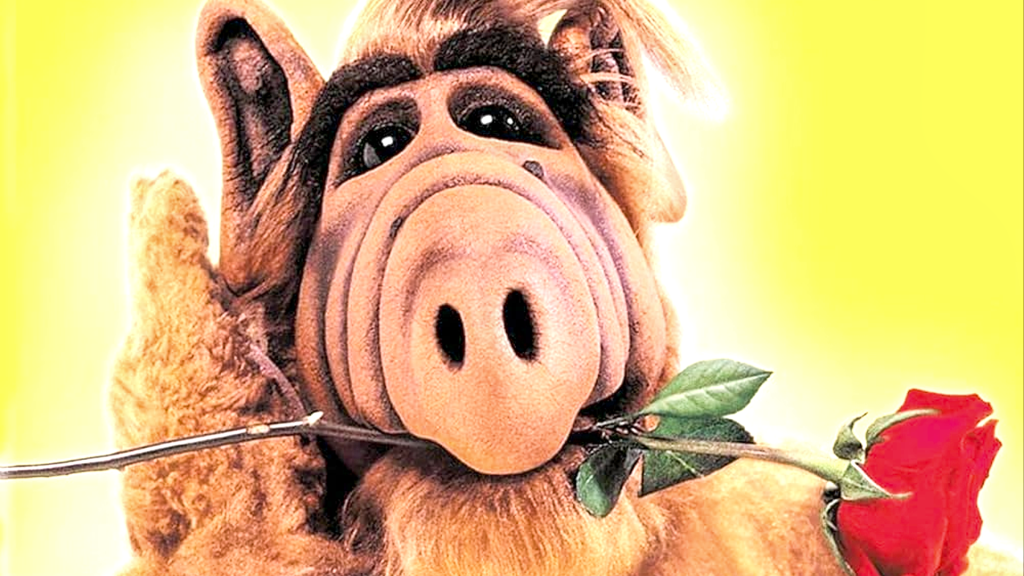
The audience only had to experience the magic of the production. ALF convincingly came to life before their eyes. He sat on the couch, wandered around the house, delivered punchlines, and behaved like another member of the Tanner family. The more convincing that illusion became, however, the more complicated the production had to be. ALF made the sitcom work, but he also made it an unusually demanding show to make. The series definitely belongs among the most awesome1980s sci-fi shows.
And yet, that extraordinary amount of work produced something audiences genuinely connected with. ALF remained on NBC for four seasons, turning its adorable puppet protagonist into a television icon. The production may have been difficult, but once the finished episodes reached viewers, almost none of that effort was visible. That’s perhaps the most remarkable thing about ALF. Behind one of the silliest sitcom premises of the 1980s was an unusually complicated production that required its human cast to make a very difficult illusion look completely effortless. Kudos to them for making it work and giving audiences a fun show to enjoy.
Forty years later, the most remarkable thing about ALF may be how naturally the Tanners made room for an alien in their home—and how naturally audiences did the same. Thankfully, when ALF would grin and say, “Ha! I kill me!” nobody in the Tanner family took him literally.
