


Articles
30 Years Later, Kingdom Come Is Still Right About What’s Wrong With Superhero Comics
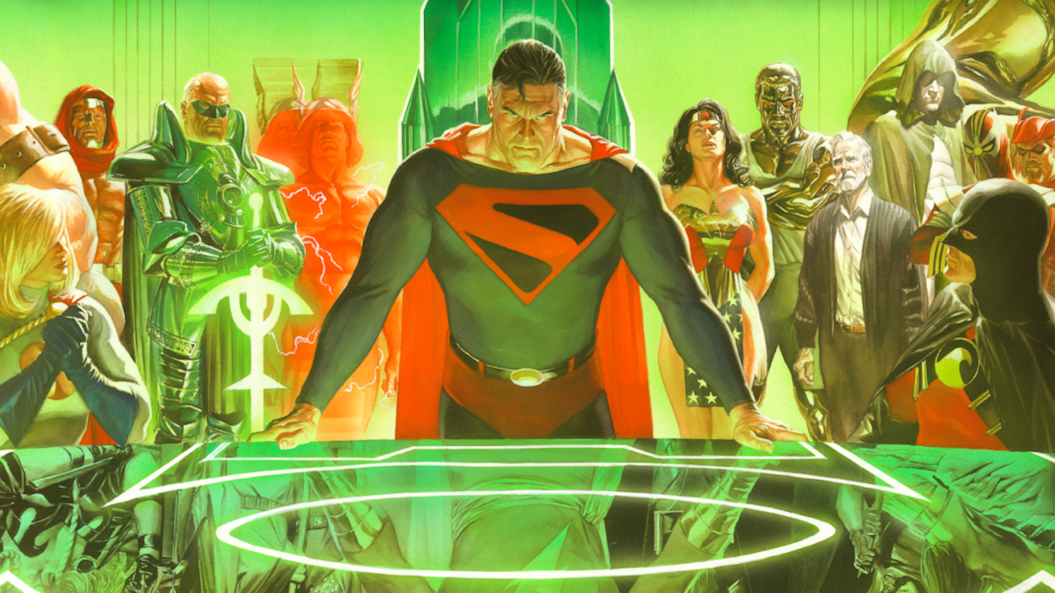
Kingdom Come is one of the greatest moments in DC Comics history. This 1996 series came after painter Alex Ross had his big break with Marvels, telling the first stories of the Marvel Universe in his Norman Rockwell-esque style. Kingdom Come would take him to the end of the DC Universe, teaming with writer Mark Waid. I still remember when it was announced in Wizard magazine and picking it up off the rack at local comic store. It was a rare DC dystopian future, with the classics heroes of the universe retiring after Superman stepped down, replaced by a newer, more violent breed. It was an amazing story, full of DC Easter eggs that rewarded longtime fans with numerous references.
Kingdom Come is a fantastic DC story, but it was written for a bigger reason than just debuting a new future for everyone’s favorite heroes. Waid and Ross have a certain reputation nowadays, both of them being lovers of old school DC and Marvel books. Both of them have worked on numerous projects over the years that hinged upon the classic versions of various characters. Waid was adroit at taking the past and bringing into the present and Ross was able to give the stories a realistic look that helped them hit even harder. Kingdom Come was the two of them talking about everything they hated about superheroes in the ’90s and it definitely made the point. There are some fans out there who feel like the story is outdated, that things have changed, that it’s yelling about an industry that doesn’t exist anymore. This is patently false; Kingdom Come is still valid today for numerous reasons.
Kingdom Come Was Meant to Fight Back Against the Tropes of the ’90s
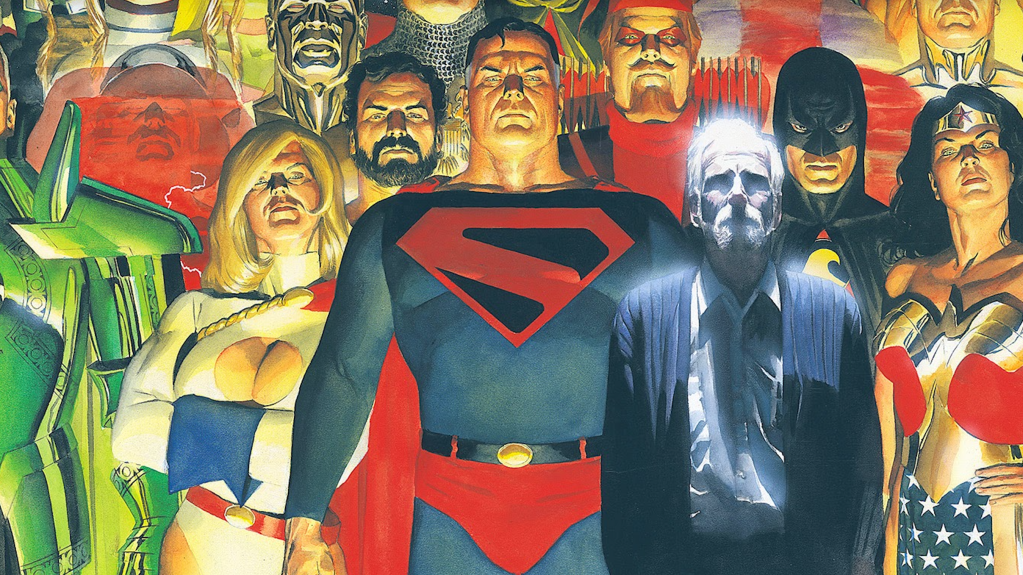
To understand why Kingdom Come worked, and still does, we have to go back to the decade of extreme. I started reading comics in 1991 full-time, a ten-year old boy who immediately gravitated towards the X-Men and was ground zero for the Image Revolution. This was the beginning of the all style, no substance superhero stories of the day. It was born out of the mature readers revolution of the ’80s, as creators tried to bring the gritty realism of creators like Moore and Miller to the mainline superhero universes without their amount of talent and interesting viewpoints. Suddenly, everyone was grimacing and carrying massive guns, committing sometimes ghastly violence in stories that were as simple as you could imagine, just excuses for books full of big muscles, beautiful women, massive guns, and escalating violence.
Everyone had a cybernetic arm, a glowing eye, and the like. DC suffered greatly during this time, because their characters were the complete opposite of what was hot at Marvel and Image. They tried to change their universe to match the trends, but it never worked; a look at Jared Steven as Fate is all the proof I need to show that. Waid was working on Legion of Superheroes and The Flash (Vol. 2), among others, at DC during this period, taking aspects of their classic stories and modernizing them. He hated the trends of the day and wanted to prove that good old fashioned superheroes could still be popular. He found a kindred spirit in Ross and the two of them set out to show how great the old school heroes were.
Kingdom Come saw Waid and Ross presenting what would happen if the heroic mantles of the DC Universe were taken up by characters created by Rob Liefeld and the creators of Extreme Studios. In contrast, the classic heroes were iconic gods from on high, beings you couldn’t help but look up to. Waid showed that you could take these characters and inject them into a more realistic narrative without sacrificing what made them special. You can have a mature Superman without making him a cybernetic killer. Kingdom Come is a favorite of many because it was able to be a story that showed what “timeless heroes” really meant. Looking at characters like Magog, who looks like Cable if he really liked bull’s horns, it’s plain to see that this book is about the ’90s, which has led some readers to think that the story is outdated.
In a lot of ways, the comic industry is completely different from the ’90s. We’ve reached a place where writers are just as important as artists and readers want great stories with their gritty, somewhat realistic superheroes. However, that doesn’t mean that the problems aren’t still there. One of the problems with DC in the past 20 years is the way they kept trying to modernize their characters by playing to trends; what was the New 52 other than the ’90s reborn in the worst ways? Marvel has long tried to inject gritty realism into their books, sacrificing the quality of their books for short term action thrills in event comics. Violence has become more prevalent than ever in comics.
Kingdom Come was created to speak out against sacrificing the lessons of yesterday for the new hotness. Comics had taken some very bad turns in the ’90s, ones that it can seem like we’ve straightened out since. However, many of the problems of the ’90s are still around. Creators are still trying to make their comics more “realistic” and losing sight of the core of the characters. The violence and realism can get to be a way too much at times. However, not every grim superhero story has forgotten the lessons of this classic. In fact, the Absolute Universe proves that DC has learned the lessons of Kingdom Come, giving readers the kind of gritty realism without sacrificing heroism and the hope that the best of superhero stories bring.
The More Things Change, the More They Stay the Same
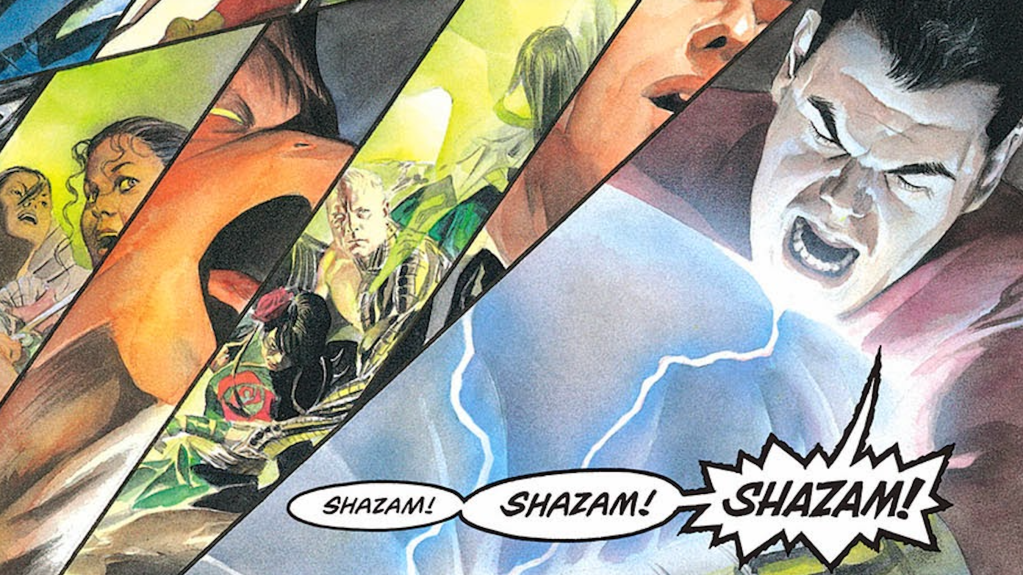
Kingdom Come is a masterpiece. I’m a massive DC mark and this comic is the one that set me down that road. I had liked some DC stuff before, but it seemed quaint and old-fashioned. Kingdom Come showed you could be more mature and realistic without sacrificing the core of these amazing characters. Superman was an icon because of who he was, not who he could be made into. The story was meant to show the problems with the grim and gritty aesthetic of the ’90s and it did so fantastically.
We now live with a comic industry that was partly born out of the success of Kingdom Come. DC and Marvel have been trying to mix their fantastic heroes into more realistic worlds with varying levels of success. There are still comics that jump on the trends, forgetting what made these characters popular in the first place. Sure, it isn’t everyone with a big gun and cybernetic arm any more, but it’s there every time one of the Big Two copies something popular and changes the soul of their characters. Kingdom Come‘s message is still valuable all these years later, exposing the problems that still affect the comic industry.
