


Articles
20 Years Ago, DC’s Most Ambitious Comic the DC Universe Forever
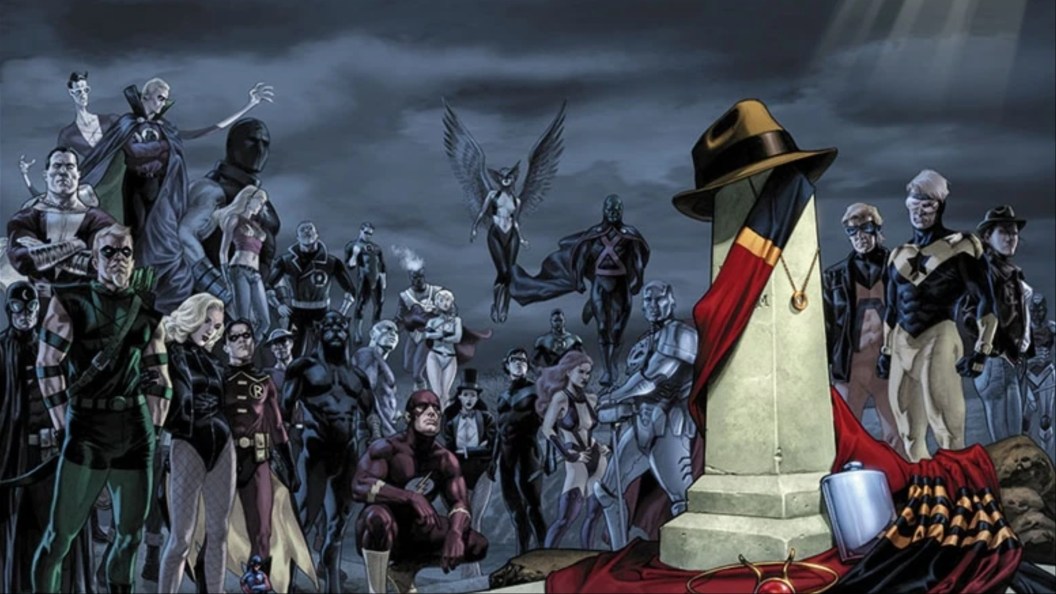
Comic books are a collaborative process. At any given time, around five people work on a single issue, not counting however many editors and designers who have their fingers in the pie. From the writers to the letterers, no comic book could exist without a team of talented and skilled creatives pushing it forward, turning their thoughts and ideas into reality on the page. These comics are the product of teams working together, and there’s a reason that most comics are, at most, semimonthly. It takes a long time to coordinate and ensure that these comics reach the quality they need. Upsetting that balance can lead to nosediving quality, but that’s exactly what makes DC’s most ambitious series such a success.
52 was a weekly series that ran for an entire year, acting as a direct follow-up to Infinite Crisis and showing how the heroes of the world adapted to a year without the Trinity. At the time of release, this series was extremely popular, to the point where it garnered a sizable number of spin-offs and sequels. It left a permanent mark on DC’s brand, to the point where they even incorporated the name into their line-wide reboot in the New 52. 52 was undoubtedly one of DC’s best series, and easily their most ambitious, and today, we’re celebrating twenty years of 52 by examining exactly what made it stand out.
A Yearlong March Towards Something Special
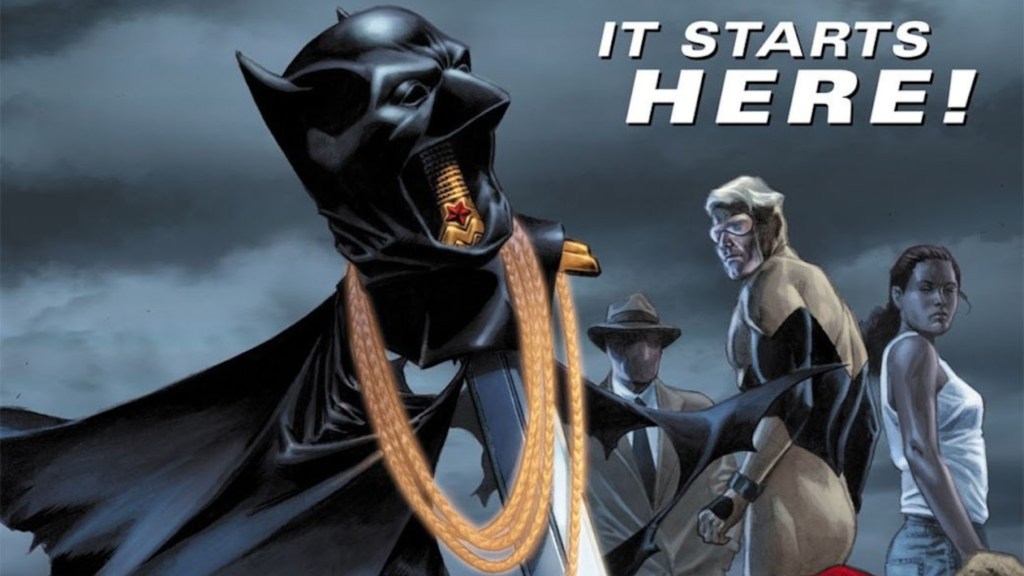
DC has only tinkered with weekly releases very rarely. They once renamed Action Comics to Action Comics Weekly, but that only lasted for around ten months. Batman and Robin Eternal only ran for six months. Batman Eternal matches the length, but not the quality. 52 ran for an entire year, but the craziest part is that it never once lost its quality. Action Comics Weekly featured short vignettes instead of proper stories, and Batman and Robin Eternal and Batman Eternal are generally considered to be great comics with some big flaws. Namely, pacing issues. 52, meanwhile, still stands as one of the greatest DC comics ever released, and that’s in huge part due to the incredible team that held it together.
Frankly, it’s nothing short of a miracle that this book came out as amazing as it did. It featured a cast of some of DC’s greatest and most well-respected writers, even to this day, including Geoff Johns, Grant Morrison, Greg Rucka, Mark Waid, and Keith Giffen. The artist team is even more insane, sporting a whopping fifteen artists who collaborated on making this book look as amazing and seamless as possible. Works with even two writers or artists tend to fall apart due to conflicting styles, but the idea of having so many people working on one project together makes you think that the thing would, at best, be made of great snapshots with messy cohesion. It was anything but.
A Story that Elevated Nobodies into A-List Status
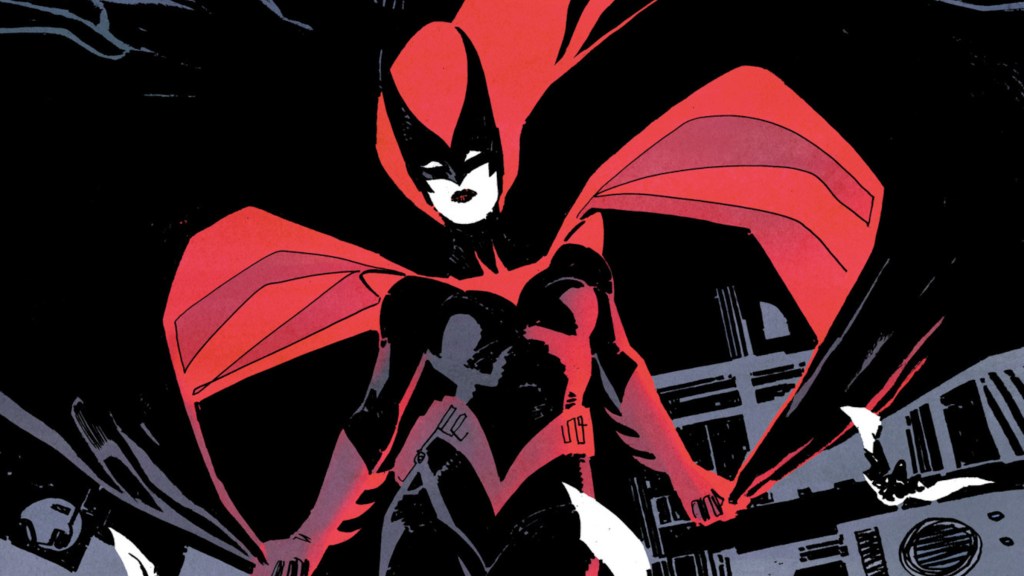
Of course, no matter how technically impressive a comic is behind the scenes, it won’t sell unless it gives people a reason to buy it. 52 did just that with one of the best and largest storylines DC has ever published. It bridged together heroes like Booster Gold, the Question, Batwoman, Elongated Man, and many more as they each tackle their own seemingly separate threats, only for everything to link together in a wonderful conclusion that shakes the entire world. What’s even more impressive than just the size of the cast is how it manages to elevate so many characters at the same time.
Before this comic, Batwoman as we know her didn’t exist, and Renee Montoya was nowhere near being the Question. Yet, they’ve become iconic characters in their own right. 52 did what DC is so often reluctant to do and embraced a massive list of characters beyond their mainstays, including introducing new and improved heroes who rose and fell over the course of the series. Its week-by-week format let us live in the minds of these characters as they adjusted and struggled with their battles, and watching them develop to such an extent was truly spectacular.
52 embraced the idea that things needed to change, and it took everything laid before it to a whole new level. The cast never felt bloated despite its size, and each arc combined to paint a truly thought-provoking picture of how DC works on every level, from street-level crimes to cosmic threats of destruction. It rebuilt DC from the ground up, turning lesser-known or respected heroes into fan-favorites. This series is the ultimate showcase of what quality and imagination can do when they are in sync, so it’s no wonder that DC always harkens back to it. 52 is the example of a darn-near perfect comic, and it will always represent a time of exciting change and infinite possibilities.
What do you think of 52’s impact on DC? Leave a comment in the comment section below and join the conversation on the ComicBook Forums!
