


Articles
10 Years Ago, Marvel Sabotaged Their Biggest Star With This Disastrous Event and the MCU Is to Blame
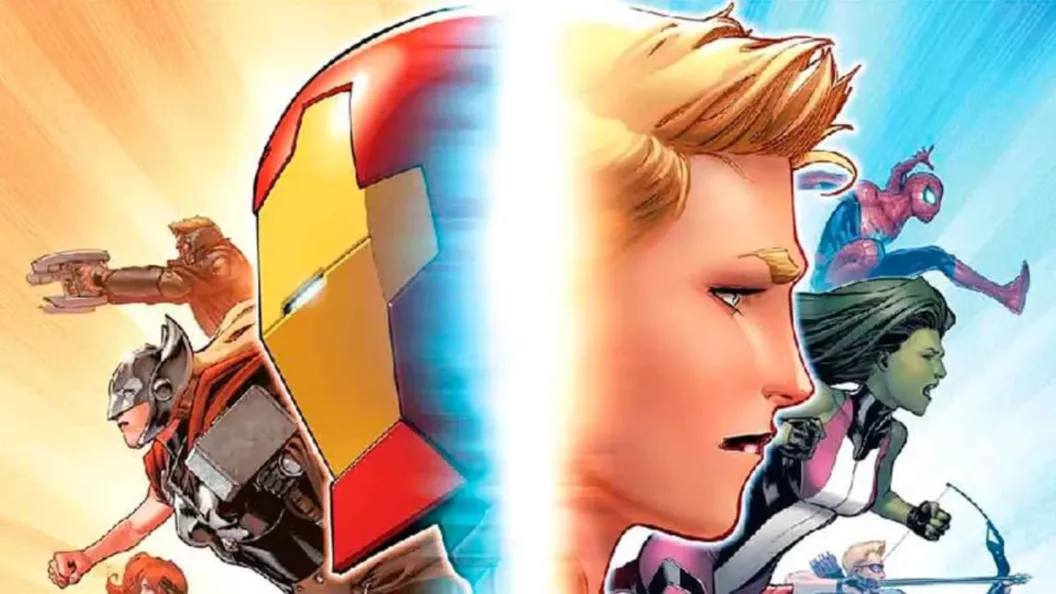
Carol Danvers was once the queen of Marvel’s B-list. She was introduced to be a supporting character for Mar-Vell, the first Captain Marvel, eventually gaining powers and becoming Ms. Marvel. As Ms. Marvel, Danvers would carry on the legacy of her Kree mentor in her own way, fighting evil on her own and joining the Avengers. Danvers became a key to the team’s late ’70s success, reaching iconic status. She lost her powers to Rogue, became Binary and had space adventures with the Starjammers, returned to Earth as an alcoholic with weakening powers, rejoined the Avengers, and began a new rise to the top, partly because of seeing how great a hero she could be in House of M. In 2012, she was promoted to Captain Marvel, leading her on the road to the A-list.
Carol Danvers became Marvel’s biggest project for a few years in the 2010s. Carol had always been a fan favorite, but she never got to experience the A-list grandeur that so many wanted for her. Becoming Captain Marvel was her ticket to the big time, especially with the rise of the MCU. In fact, I would go so far as to say that she was given her promotion for the express purpose of making her a part of the MCU. She kept getting a higher and higher profile, and eventually would take center stage in a Marvel event book, a surefire sign of Marvel pushing a character. Unfortunately, this was one of Marvel’s worst event comics ever – Civil War II, an MCU cash-in event that completely destroyed any hope of Carol Danvers as a beloved character in the last ten years.
Captain Marvel On the Rise Until Civil War II
One of the most interesting things about the mantle of Captain Marvel is that it’s never actually been an A-list Marvel mantle. Mar-Vell was solidly B-list, anchoring the cosmic side of Marvel with Adam Warlock and Thanos. His death was a massive deal, but it was more because of his friendships than him being an A-lister. Monica Rambeau took up the mantle next, becoming Avengers chairwoman but never getting popular again after that despite showing up a lot. Genis-Vell took over the mantle for a while, getting some brilliant series’ from writer Peter David, but never being a top hero. His sister Phylla would work as Captain Marvel for a short period as well and that sentence is about as exciting as her tenure.
By the time Carol took up the mantle, there had been numerous Captains Marvel, none of whom ever made the major splash that you’d imagine they would. However, with the Marvel name one of the most popular in fiction in the late ’00s and early ’10s, it was decided to finally make it as important as it name purported. Marvel was basically experimenting, trying to take two somewhat popular things and make them bigger together. For a short period it worked. Writer Kelly Sue DeConnick was able to capture what made Carol so great and make her the A-lister that she had been groomed to be for years. She was playing a bigger role in Avengers comics and there was a devoted group of fans online called the Carol Corps. Sure, the usual suspects complained, but for the most part, the fandom was behind her.
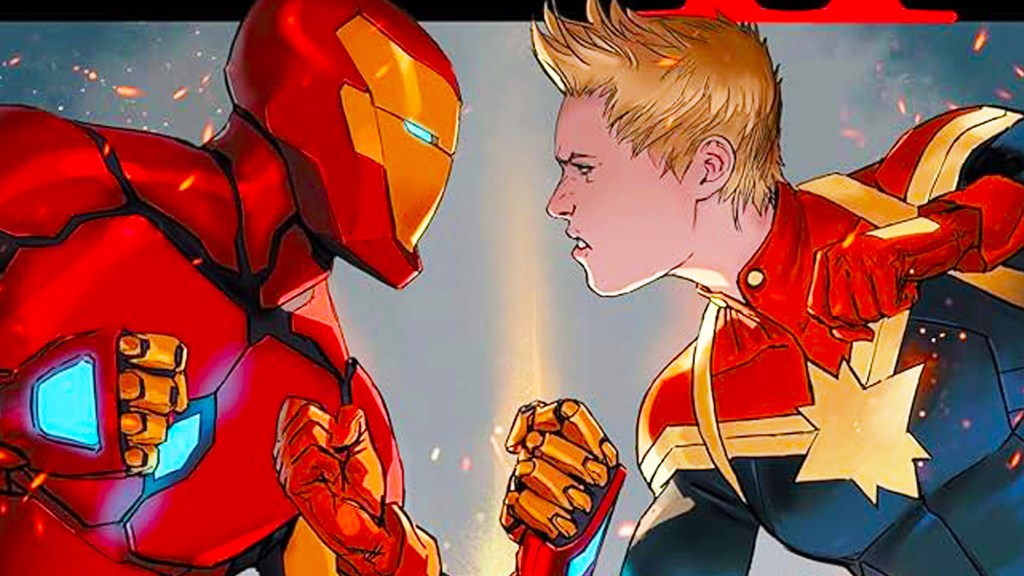
And then Civil War II happened. Civil War had been a divisive story, both literally and figuratively. It saw the hero community split between two sides, with Captain America and Iron Man choosing sides over superhero registration. It recharted the course of the Marvel Universe, leading the publisher to greater stories down the road, and it made Iron Man into one of the most hated Marvel characters of the day. However, it was successful and important, leading to it being adapted by the MCU with 2016’s Captain America: Civil War. Marvel decided that they needed a Civil War book in comic stores and so Civil War II was born, with the heroes choosing sides over whether to use the precognitive Ulysses’ powers to stop evil before it happens.
In Civil War II, Iron Man was placed in the Captain America spot – against the use of Ulysses’ powers by the government, while Captain Marvel was put in the pro position, the Iron Man spot of story. That’s basically the villain of the story, which isn’t somewhere you want to put the character that you’re still trying to convince fans to like. DeConnick had left the company and no one had really stepped up to give Carol’s solo book the buzz it needed. She wasn’t floundering as a hero, but she wasn’t where she should be and Civil War II was even further from there.
That’s why making her the villain of the event was such a weird choice. The first Civil War had left Iron Man in an important position, but fans hated him. He wasn’t organically popular; he was one of the main characters of the status quo and had to always be up front. 2008’s Iron Man was successful, but starred a completely different version of the character. Civil War never made him more popular; that mostly happened because of the movie. However, this was also a character who had been popular for years. He wasn’t someone Marvel was trying to build. Maybe Marvel thought fans would love to hate her, like we did with Stark once upon a time (I held onto that for soooo long) but it had the opposite effect.
One of the problems was that Marvel didn’t have years of Carol Danvers in charge story keyed up like they had for Iron Man after Civil War. Carol was basically just left as the mean authoritarian, with Hydra Steve Rogers supplanting her as the top antagonistic superhero almost immediately after Civil War II… then sequestered her in space for most of Secret Empire, merely using her as cavalry in the story’s endgame. The whole thing made exactly zero sense. They character assassinated a hero they were trying to make into their next big star and their plan for the aftermath was just to push her out of the spotlight and hope fans wanted to see more of this version of her anyway. It was a massive mistake; while writer Kelly Thompson was able to give readers a pretty great four year run on the character during this period, no one else has been able to salvage her.
Marvel Sabotaged Their Next Big Star for MCU Synergy
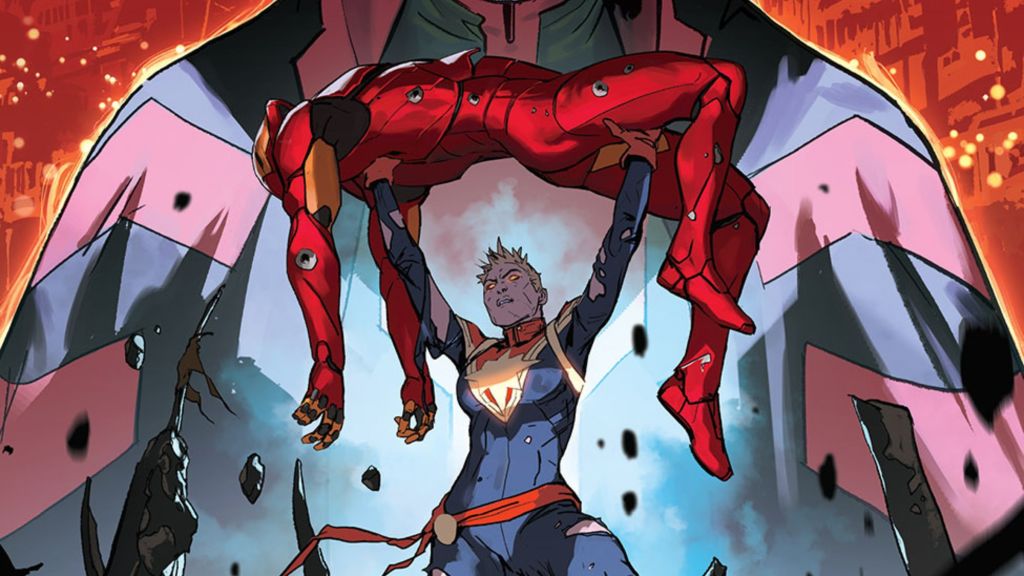
“MCU synergy” is one of the most dreaded phrases to modern comic fans. The MCU is undoubtedly popular and has more fans than the comics, however these fans aren’t the kind who are going to be comic fans; they talk a big game but few of them went to the comic store (they did allow for a new breed of comic influencer to pop up, one who reads the stories for people and then tells them what to think about them). Marvel brass would often believe that tailoring the comics to the MCU would lead movie fans to the comics, but it has never happened in any appreciable numbers. Marvel fans hate MCU synergy and what happened to Carol Danvers as Captain Marvel is the perfect example of why.
Carol was a beloved character who was finally given a chance to shine, partly because of the MCU. The publisher started building her and the mantle of Captain Marvel up, making her more and more popular and then they did the dumbest thing possible with her – they made her the villain in an MCU cash-in event comic. It was the dumbest move they could have made with her. She had only been a big time hero for four years at this point; making her suddenly become the top villain of the Marvel Universe feels like they were trying to sabotage the character. It will always be one of Marvel’s strangest decisions in the 21st century.
