


Articles
The Sentry #1 Is the Best Marvel Comic In a Long Time (Review)
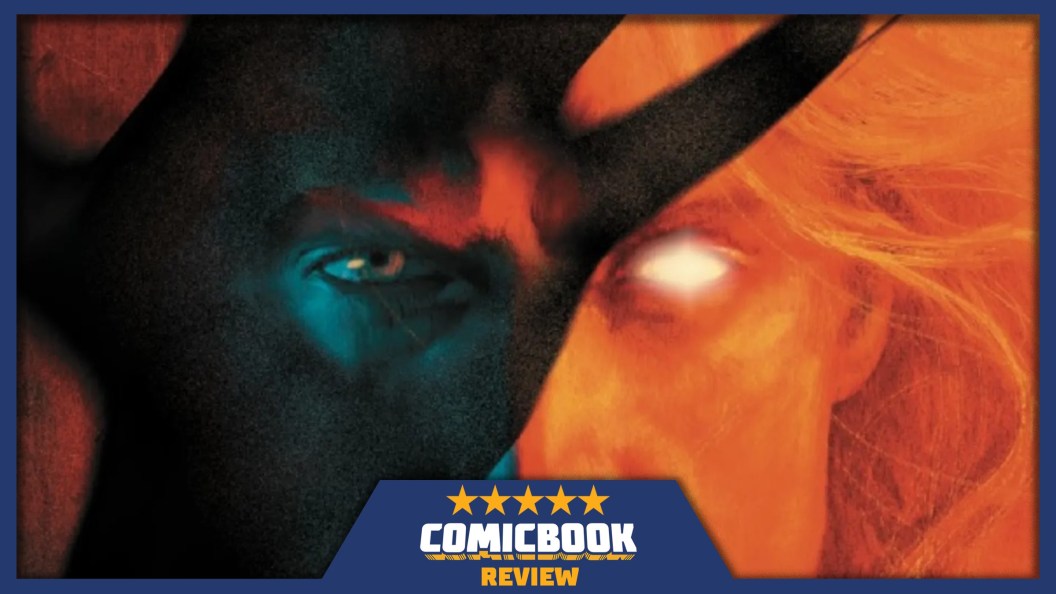
The Sentry finally got introduced to the greater pop culture by Thunderbolts*, reigniting interest in one of Marvel’s most interesting characters. The history of Bob Reynolds as the Sentry is one of the most intriguing yet complicated in Marvel history. The character was created by Paul Jenkins and Jae Lee. The two had made a splash with 1998’s Inhumans, and fans were very excited for their next collab. The Sentry had a unique ad campaign and introduced a new Superman pastiche to the Marvel Universe, one who had a major flaw that defined the character: his psychological issues and extreme power created the Void, a monstrous second self that undoes all the good he does.
The Sentry is one of Marvel’s most overpowered characters, and this has led to basically everyone but Jenkins (and Jeff Lemire) to misuse him. Even his most ardent fans have given up to an extent, but Jenkins has returned to the character for an all-new story. This book is straight up amazing, a perfect reintroduction to the character that drops the baggage and concentrates on the character and story to give readers one of the best Marvel comics in ages.
Rating: 5 out of 5
| Pros | Cons |
| Jenkins ignores anything confusing about the character to tell an amazing story that plays to the hero’s strengths | |
| Christian Rosado’s art is perfectly atmospheric and moody, really nailing the tone and emotion of this fantastic comic | |
| A wonderfully paced story that perfectly combines action, character, and plot |
Jenkins Reminds Readers Just What a Sentry Story Can Be
To say that the Sentry has been misused over the years is an understatement. His tenure in New Avengers/The Mighty Avengers/Dark Avengers made him into more of a boogeyman than a character, and that became a huge problem over the years. The hero works best with a more introspective, psychological style, one that is able to balance the big superhero action with the complexity of the character’s psyche. Jenkins has always been the best at this, and he shows that off right away. This issue is full of the kind of storytelling that really works for the character, something darker, something more cerebral, something that is, at its core, tragic yet ominous.
Too many writers get all tied up in explaining too much about the character, but let’s be real — so many of the changes made by others have hurt him. Jenkins just sort of moves past that and gets to the meat of the story. It’s the best way to pick up the character, and it does a great job of giving readers everything they need to enjoy this story. That’s the key to it; the Sentry is a hard character to get into if you drop all of his weird lore on people, but Jenkins is able to give readers a story that works for both old and new readers. This is an exciting story, but it’s also a heady story. It balances both sides of itself wonderfully. We don’t often get comics like this anymore, and it is a joy to read something this good.

Dorado’s Art Perfectly Fits the Story and the Sentry’s Artistic Heritage

The Sentry was one of the Marvel’s best maxiseries, and the art was a big reason why. Jae Lee’s style is definitely unconventional, and there’s something about the character that works better with more stylized, dark, unconventional art. His best stories aren’t typical superhero fare, and Christian Rosado’s art fits that bill. That’s not to say he doesn’t do superhero stuff well; there are several big scenes in this book that look fantastic, with Rosado capturing the scope of the Sentry’s powers and his adventures. The Avengers appear in the book, and they look fantastic, as well; Ronado has the superhero bona fides, and it works.
However, when it comes right down to it, what really makes this issue work so well is the emotion and atmosphere that Rosado’s pencils bring out. This story is about a man going through a profound crisis, and it looks like it. Rosado captures the tragedy of the character, the ominous feel of the Void scenes (while also capturing the malicious glee of the character through his body language), and the sheer hopelessness at the core of the story. It’s all there in the art, and it’s fantastic. This book’s visual identity fits the story completely and adds to the joy of reading this comic.
The Sentry is a character that has been very hit or miss over the years, so there was a chance that this issue could have sunk, even with Jenkins writing it. However, that wasn’t the case at all. This is a perfect comic in every way, a fantastic synthesis of art and story. Marvel doesn’t like to do prestige comics very much, but this book feels like a DC prestige superhero book in a way that Marvel stories usually don’t. This was an amazing reading experience.
The Sentry #1 is on sale now.
What do you think? Leave a comment in the comment section below and join the conversation on the ComicBook Forums!
