


Articles
Star Trek Officially Settles a Debate over a Legendary Character
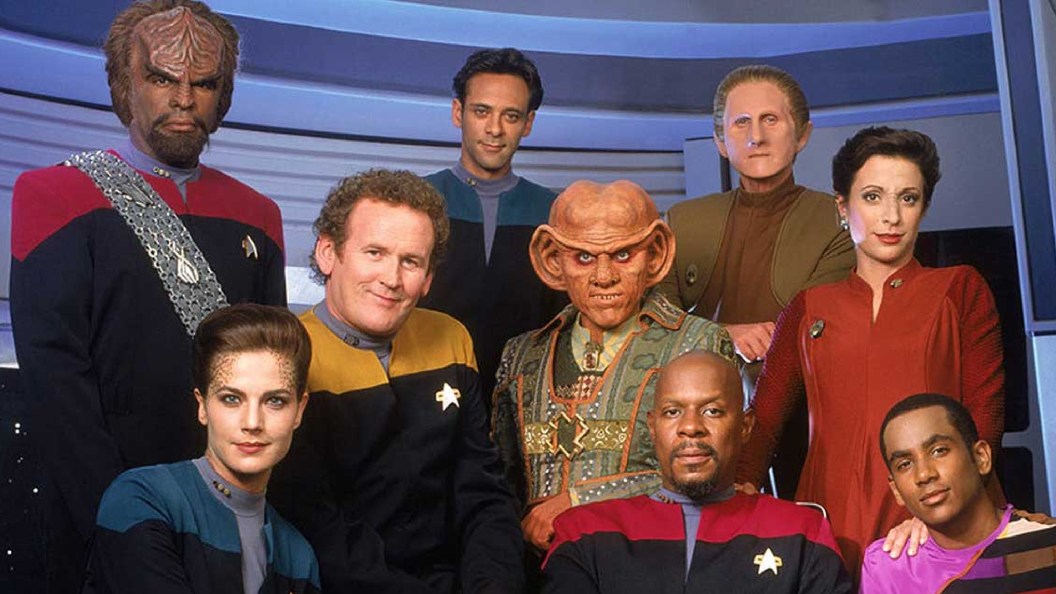
Star Trek‘s newest TV show has increasingly felt like a homage to Deep Space Nine. Set on Earth at the end of the 32nd century, Starfleet Academy is an unusual story that seems similar to Deep Space Nine on a conceptual level; unlike most Star Trek shows, it’s generally fixed in a single location and focuses on the core cast rather than introducing new alien races every episode. There have already been hints that Benjamin Sisko is personally important to Starfleet Academy, but nobody expected Sisko to come back.
Starfleet Academy episode 5 is the ultimate homage to Sisko. Episode 5 centers on the character of SAM (“Series Acclimation Mil”) as she attempts to understand humanity. Encouraged to focus on an unsolved mystery, she settles on the fate of Benjamin Sisko, who disappeared in the Deep Space Nine finale. Did he die, or did he remain with the Prophets outside of time? Even as she wrestles with this question, SAM stumbles on an answer to another mystery the fandom has eagerly debated for literally decades.
Was Sisko Ever Truly Human in the First Place?
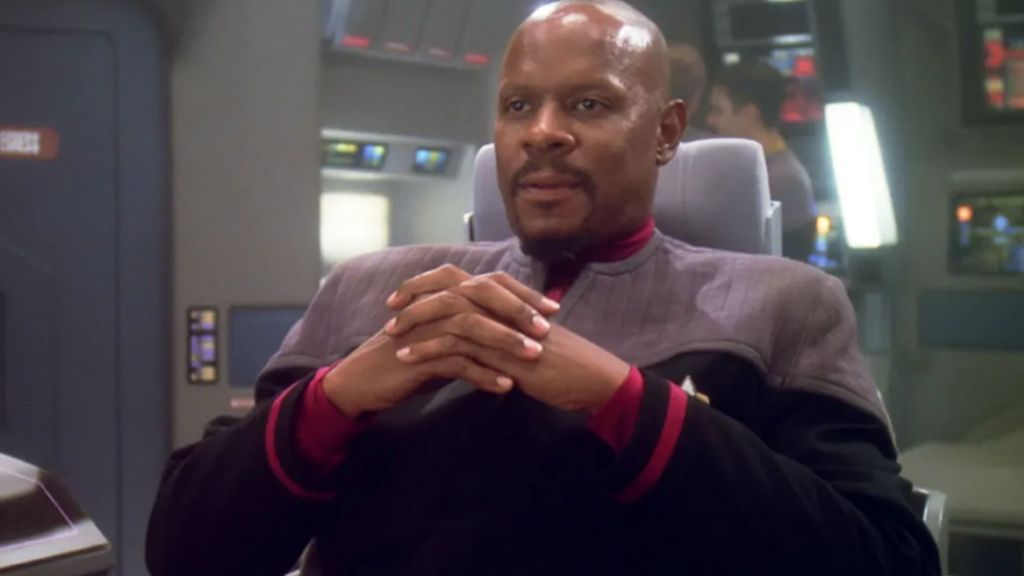
To understand the debate, you first have to be familiar with Sisko’s full backstory – including the tale of his conception. The “wormhole aliens” known as the Prophets exist outside of time, and so they deliberately arranged every event of Sisko’s life to ensure he would arrive on Deep Space Nine to serve as their “Emissary.” Incredibly, they even manipulated the lives of Sisko’s parents to ensure he was born, possessing Sisko’s mother Sarah to ensure she slept with his father and bore a child. The Prophet only left Sarah after Benjamin’s birth, and she left her husband, unable to understand what she had experienced.
Sisko’s ultimate origin story is a riff on the typical Messianic tale, which makes sense for someone who was treated almost as a divine being by the Bajorans. But it has led to intense debate in the fandom over whether Sisko was truly human at all, or whether he was in fact part-Prophet all along. The discussion can be seen on countless Reddit and forum threads, with some suggesting the Prophet merged with Sarah on such a fundamental level that genetic information was passed along.
The debate makes sense given the Messianic imagery caught up in Sisko’s birth. Such imagery spins out of the Bible, where Jesus was conceived of the Holy Spirit but born of a human mother; Christians consider Jesus to be truly human but also truly God as part of a theological mystery referred to as the Incarnation. Sisko is pretty much the closest Star Trek has ever come to retelling this particular narrative, and it would be logical for Sisko to be similarly both truly human and truly Prophet.
Star Trek Has Officially Sided With This Major Sisko Theory
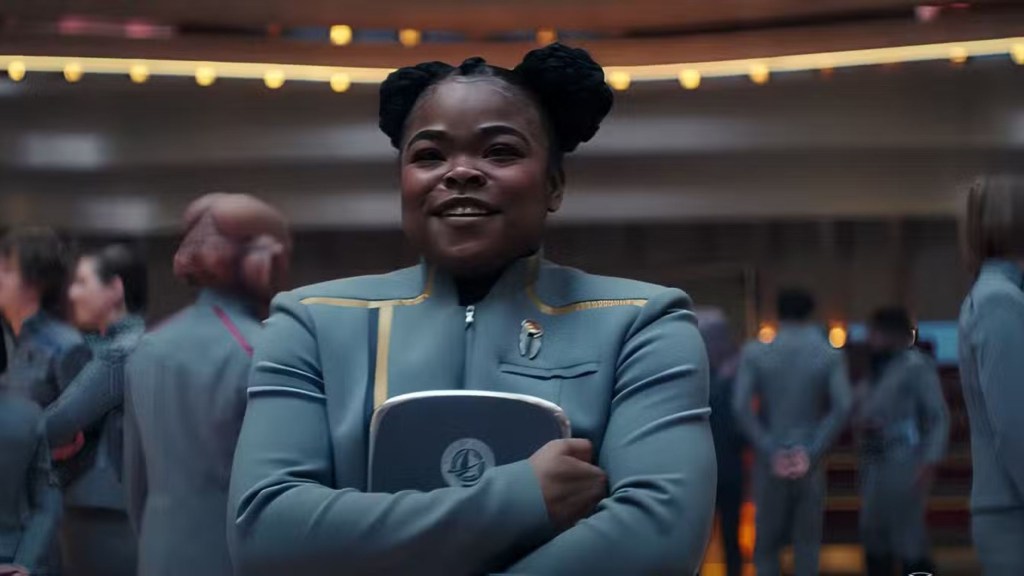
Starfleet Academy reveals the Bajorans have been having the same debate for almost a millennium, and that they’ve ultimately concluded Sisko was indeed more than just a human all along. They treat Sisko almost as a god now, to the extent they consider even reproducing his image to be blasphemy. More importantly, though, it seems Starfleet has eventually concluded that elements of this are correct; in fact, the official Starfleet position is now that Sisko was “not entirely human.”
This information disturbs SAM, who sees Sisko’s story as a parallel to her own. SAM is initially shaken by the idea that Sisko never had any free will at all; that everything in his life was orchestrated by other beings, right down to the circumstances that led to his birth. To be fair, Sisko’s story doesn’t quite parallel SAM’s as much as she thinks it does; the Prophets are outside of time, which means they don’t so much preordain something as see events as they happened all along. The Prophets’ very existence raises those difficult questions of free will on a cosmic scale.
In the end, though, SAM realizes these are the wrong questions to ask. There’s a sense in which Sisko’s free will doesn’t matter; what matters is the fact that his choices still flowed out of his own character, and that he still chose sacrifice on the most dramatic scale possible. This Deep Space Nine legend should be considered a hero not because his choices were destined, but because his choices were his own, and they led him to embrace the truth that he was something more than human.
What did you think of Starfleet Academy episode 5? Leave a comment below and join the conversation now in the ComicBook Forum!
