


Articles
AMC’s Underrated Anne Rice Series Is A Great Show But a Bad Adaptation (And I’m Worried About Season 3)
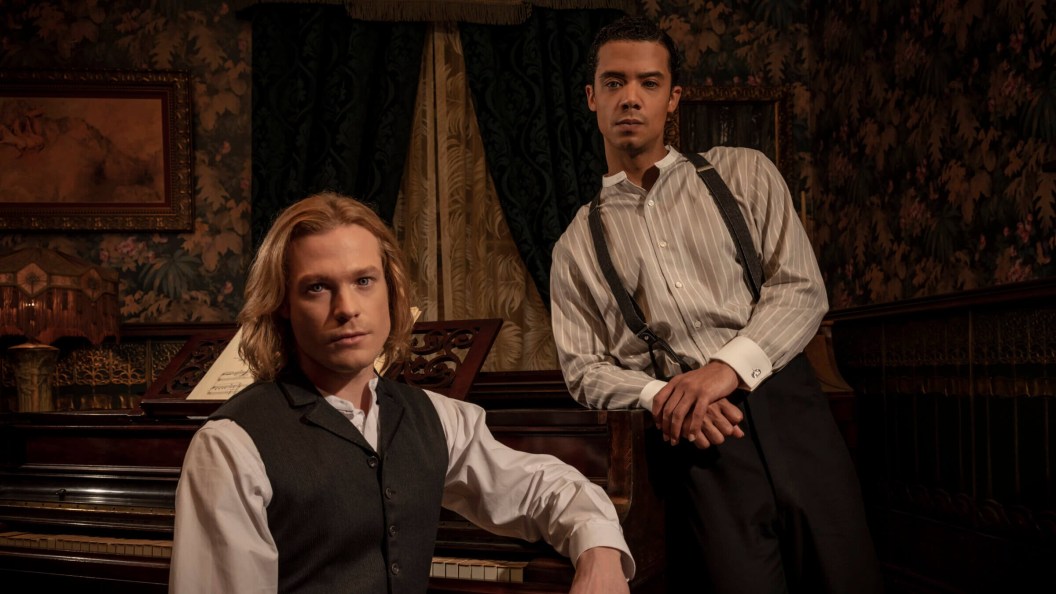
When it comes to excellent television shows that aren’t getting nearly the attention they deserve, AMC’s Interview With the Vampire — soon to be The Vampire Lestat as it enters its third season in 2026 — tops that list. The Sam Reid and Jacob Anderson starring drama is without question one of the best acted, highest quality series currently on television, telling the complicated and expansive story of the vampire Louis de Pointe du Lac (Anderson) and his complex, often toxic, and deeply human relationship with his former lover and maker Lestat de Lioncourt (Reid) and other figures, vampires and otherwise, that populate his world. The series, which debuted in 2022, is in many ways exactly the adaptation that fans of Anne Rice’s popular and iconic Vampire Chronicles series of novels have been waiting for with the television format giving the story a chance to be told in the rich and expansive fashion it was always meant for while also allowing for some of the subtext of the novels (particularly the romantic relationship between Louis and Lestat) to fully come to life.
However, despite Interview With the Vampire being genuinely incredible television, it isn’t a perfect series. When it comes to Interview With the Vampire being an adaptation of Rice’s beloved book, the truth is it’s less of an adaptation and more of an “inspired by’ situation. To put it more bluntly, Interview With the Vampire, while a great television series, is actually a pretty bad adaptation — and as a longtime fan of Rice’s work, I’m concerned that some of the changes that we’ve already seen in the first two seasons of the series are leading us to some significant issues in season three.
AMC’s Series Is Great TV But Fundamentally Misunderstands Several Characters
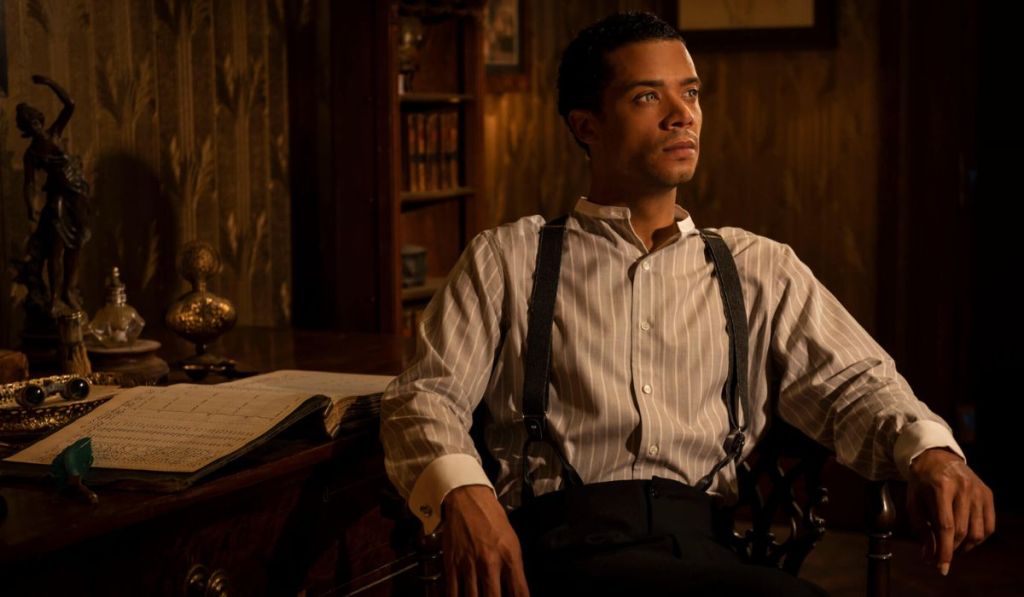
I want to get something out of the way from the jump: the misunderstandings about characters and issues with AMC’s adaptation have absolutely nothing to do with the race changes of key characters or the story shifts that remove the chattel slavery elements found in Rice’s novel. Those shifts — the series made Louis a queer Black man in turn of the 20th century New Orleans rather than a white French slaveowner in 18th century Louisiana as he is in the novel — actually work well for the television series and offer a fresh approach to the story that is, at its core, less about the setting and more about the people. You will find nothing but praise for Anderson’s Louis and even the portrayal of Claudia (Bailey Bass in Season 1, Delainey Hayles in Season 2) as they are incredible.
The misunderstandings of characters, instead, come down to more foundational elements. In the television series, Louis’s internal torment comes from his self-hatred and struggle with his sexuality. It is the core emotional element of his personality, his struggle with self and identity as exacerbated by racism. Even when his brother, Paul, dies (a key moment in the book) the weight of Louis’s issues is largely around his own identity. While this is an engaging and interesting aspect of Louis as a character and does work in terms of creating a jumping off point for exploring his story for television, in Rice’s novels Louis story is less about a struggle with self and more of a full-on existential examination.
Louis in the books is a man struggling with his faith and morality. He’s questioning God, himself, and even his own mind as depression settles deeply over him in the face of several events in his life — including the death of his deeply devout brother, Paul. The difference, then, is that on the page, Louis is dealing with more than just the drama of his relationship with Lestat and his own self-acceptance which is what much of the television series has centered on. Instead, the horror of Louis’s story on the page is that he’s wrestling with the concept of existence writ large, desperate to find meaning more than self-acceptance and his guilt and emptiness (and depression) are more the darkness within him than the fangs he gains.
That shift in turn informs the presentation of other key characters as well. With Louis no longer more of a philosophic character tormented by every thread of his enduring life as it lacks meaning, Lestat is also different. Lestat goes from being more of a darkly playful and seductive figure scheming and tempting Louis and, at times, pretty much just dragging him along to more of a caricature played up to be a charismatic abuser who is controlling and much more appealingly evil. Don’t get me wrong; Lestat is a narcissist in every presentation, but with Louis being so dulled, AMC’s series dials Lestat up to even brighter color and, in the process, loses some of the complexity of their relationship. It instead leans more into it more into an overt physical expression of male queer sexuality than the novels ever did (which is worth noting because Rice wrote actual erotica in some of her other works, just not Interview With the Vampire.) With Louis and Lestat being so altered, there is a ripple effect to other characters in the story as well, shifting them just enough to either play off or feed into the altered dynamics. It’s great television — but it’s not Rice’s story.
Season 3 Will See New Important Characters — And I’m Already Worried About One of Them

With how AMC’s series has already changed both Louis and Lestat and the impact that’s had on other characters, with the show shifting from Louis’s perspective to Lestat’s with Season 3, I’m already concerned we’re going to see even larger misinterpretations and misunderstandings with the new characters in the story. Season 3 of the series will more follow the second book in Rice’s series, The Vampire Lestat (hence the series title change). It is, in a sense, Lestat’s answer to Louis’s version events from Interview With the Vampire but it also tells Lestat’s history. This means that Season 3 will finally introduce Gabrielle de Lioncourt, Lestat’s mother. We already know one big change for Gabrielle in AMC’s series: she’ll be going by Gabriella. It’s a change that actually makes sense here, as she is Italian and was married at a young age to Lestat’s father, a French Marquis, and never really wanted to be in France or be French.
However, a recent interview with series showrunner Rolin Jones spoke about Gabriella (who will be played by Jennifer Ehle) and some of what he said raised some red flags with fans of Rice’s work. Specifically, Jones explained the shift from Gabrielle to Gabriella and framed it, in part around “feminine vampiric blood”.
“Claudia was a very significant, elegantly written character, but we needed some feminine vampiric blood in this show,” Jones told Entertainment Weekly. “We weren’t going to make her a wilding flower, so it started there. I didn’t mean to upset people or anything like that, but it just seemed quite logical, and in that small little gesture, it says a lot about who we’re putting into the show.”
The issue here? In Rice’s books, Gabrielle is not a feminine character. Instead, soon after her transformation into a vampire, Gabrielle attempts to cut off all of her hair into a short, masculine style and adopts a male style of dress. When her hair regrows each night, she’s horrified and devastated to find that the change won’t stick, so much so that Lestat even offers to cut her hair and burn it every single evening if it helps her. Gabrielle ultimately ends up simply wearing her hair in one long braid — but she maintains her masculine dress and presentation. For many fans of Rice’s work, Gabrielle reads as at least genderfluid and more specifically as transmasculine. With Jones talking about “feminine vampiric blood” in relation to Gabriella, it raises some concerns that the show might not present the character with that very specific and significant aspect. It’s something that is important not only to understanding Lestat’s mother as a character, but also his very complicated relationship with her — and ultimately, what it means for Lestat. In short, you change that and it has some major ramifications.
It is completely natural for any adaptation to deviate from the source material. It is very rare that an adaptation should be beat-for-beat a direct clone of its original. To be completely fair, no adaptation of Rice’s work could be completely faithful. There are aspects and elements that wouldn’t present well on screen and even the 1994 movie version had to make some changes. The issue is when the changes remove some of the detail and nuance of the story, some of its soul and that’s what’s happened with AMC’s Interview With the Vampire. Changing the core elements of Louis’s suffering, shifting the focus onto the more erotic elements of the story, and it all having a cascading effect in terms of the presentation and characterization of other players in the story has created a new story that is more of a fan-fiction version of Rice’s tale than a true adaptation. It’s great television — perhaps even some of the best to be made in the past five years — but as adaptations go, it’s lacking and hopefully when Season 3 arrives, how they choose to handle Lestat’s story and Gabrielle end up being done with a bit more of a gentle hand because that would make for great television, too.
What do you think? Leave a comment below and join the conversation now in the ComicBook Forum!
The post AMC’s Underrated Anne Rice Series Is A Great Show But a Bad Adaptation (And I’m Worried About Season 3) appeared first on ComicBook.com.
