


Articles
The Worst Thing About the DCU Franchise Isn’t Even Anything in the Movies or TV Shows
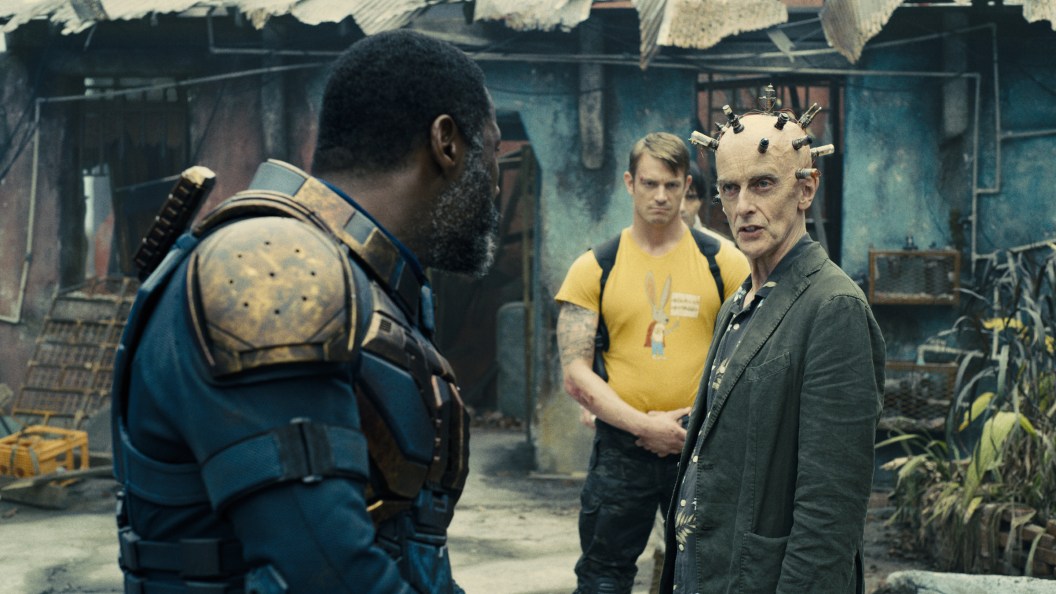
With the announcement of “The Suicide Squad: Is it Canon? The Official Podcast” earlier this week, the DC Universe Franchise once again revolves not around movies or television, but around the never-ending question of canon. If the answer were simple, it’d be one thing. However, these questions plague the DCU and show no signs of stopping.
What was once an annoying quirk about the DCU has become the worst thing about it. James Gunn frequently feels on the defensive, constantly fielding these questions instead of focusing on what is important — the movies and shows.
The Canon Continuity Trap

Since the MCU pulled off the Infinity Saga, there’s been an emphasis on the extended, shared universe. Audiences now think that all movies and television shows should be moving the wider story along, and that if they don’t, then it isn’t worth seeing. James Gunn himself came out against the notion, with the recent Clayface release.
Compared to Superman and Supergirl, Clayface makes little attempt at moving along the larger story. There are no supernatural forces at play — no intergalactic traffickers or Lex Luthor-level baddies — or grand romantic love story to root for like Lois and Clark. Instead, there’s some subtle worldbuilding with Gotham, but ultimately Clayface is only about what the title suggests. It’s about Clayface. When audiences go to the movie, they will get a movie about Clayface, and that’s it.
Gunn is trying to argue the merit of standalone stories like Clayface, and ultimately, he’s right, but the more powerful move would be to stop arguing. If fans can learn to appreciate Black Label comics for DC — comics that exist outside continuity and canon, and thus are allowed to be more experimental — then movie and television enjoyers should be able to embrace a similar ethos. Being outside of canon doesn’t automatically make the story bad or less valuable. It just means it won’t be followed up in the main string of movies.
Perhaps the best argument for a non-canon movie is the success of the Spider-Verse franchise. Made by Sony Animation, Spider-Verse knows they’re telling a different story from the mainline live action films and embraces the plethora of differences inherent in storytelling. Miles Morales, Gwen Stacy, Spider-Man Noir all come from different versions of New York but none is necessarily more canon. It’s just their canon. Spider-Verse was widely successful with fans still anticipating the release of the third film, and proved that animation could be just as prestigious as live action.
The Movies Will Answer the Questions

James Gunn supposedly already has a script done for the next Superman film after Man of Tomorrow, but even if he didn’t, he doesn’t have to field questions on X or Threads like this. Is The Suicide Squad canon? Wait until a character from the movie shows up again in the DCU. If it’s the same actor, and if the character references events from The Suicide Squad, then, yes, it’s probably canon. If the actor changes — or if the character is noticeably different from how they were in the Suicide Squad — then no.
Even though neither Batman nor Joker has been introduced into the franchise, Gunn went out and clarified Harley Quinn’s DCU status. It’s unclear when we’ll see Harley Quinn in a movie again — there are so many pieces to set up — but still Gunn ended up answering that he’d love to keep Robbie in the role if it works for everybody, but that if not, they’d recast her. Instead of relying on common sense — as rare as it may be in fandom spaces — a podcast needs to be made to clarify and once again, Gunn is answering each of these questions individually.
These posts may be great for instant gratification, and for clicks, but ultimately, there’s no real value in them. When the movies come out, and people watch them, they’ll find out if it’s canon. Audiences know the Reevesverse Batman films aren’t canon — that has been explicit for a while — but it doesn’t stop the world from being interesting. It doesn’t stop Gunn from enjoying it and perhaps taking bits and pieces and seeing how they could work in the DCU.
At the end of the day, the DCU doesn’t have to be just like the MCU, and it’s greater for comic book franchises, and storytelling in general, if it isn’t. Let movies diverge from each other and not have to be followed like homework. Let characters change from one adaptation to another. Most importantly, let James Gunn get off X and do what he does best — make tv and movies.
Are we judging Gunn’s posts too harshly, or should the DCU move away from this constant canon-clarification? Let us know in the comments below.
