


Articles
5 Horror Movies Where Everybody Seems To Miss The Point (#1 Is A Rare Oscar-Winner)

The horror genre is usually associated with jump scares, deaths, and scenes that make you want to sleep with the lights on, but behind all that violence, some movies actually have something to say. And while the messages in films like Sinners and The Substance are easier to pick up on, others are often seen as nothing more than entertainment: sometimes, a satire is mistaken for a celebration of the very thing it aims to criticize, or a movie ends up being remembered for everything except the point it was trying to make.
And the interesting part is that many of these features weren’t fully appreciated until years after their release, while others still seem to fly over people’s heads. It’s not that everyone has to come to the same conclusion, but it’s worth looking beyond the horror elements and paying attention to what these movies are actually trying to say. Here are 5 strong examples of that.
5) Smile

It’s understandable why so many people missed the point of Smile, since its deeper commentary isn’t explored all that thoroughly. The movie can come across as pure horror without much substance, but even its title serves a purpose. The story follows Rose Cotter (Sosie Bacon), a psychiatrist who starts experiencing terrifying events after witnessing a patient die by suicide, claiming she was being stalked by a presence no one else could see. As Rose begins to experience similar things, she tries to figure out what’s happening, all while the people around her start questioning her sanity. She ends up being treated like someone who’s losing control rather than someone who needs help.
So, what’s the actual point? The smile is unsettling because it turns an expression usually associated with happiness into a sign that something is totally wrong. Director Parker Finn has also explained that he wanted to explore the suffering people hide and what happens when someone can no longer trust their own perception. At its core, Smile is about mental health and emotional trauma. The problem is that many people get caught up in the creature, the jump scares, and the disturbing imagery, missing what’s underneath it all. Still, it’s worth revisiting the film with that in mind, especially when considering how much harder it can be to deal with pain when the people around you don’t seem willing to take it seriously.
4) American Psycho

Today, American Psycho is a modern classic, but when people think of the movie, they mostly remember Patrick Bateman (Christian Bale), the scenes that went viral as memes, and its moments of dark humor. However, far fewer people get the bigger picture: it’s essentially one big joke about toxic masculinity, consumerism, and the obsession with social status. The story introduces us to Bateman, a Wall Street executive who spends much of his time obsessing over his appearance, comparing business cards, dining at expensive restaurants, and trying to prove he’s more successful than the men around him. But behind his perfectly organized routine, he hides a violent personality and a complete inability to form genuine connections with other people.
And can you believe that some viewers have actually started treating the protagonist as a role model for discipline, confidence, and masculinity? In doing so, they conveniently ignore how much the movie goes out of its way to make him look ridiculous. His obsession with working out, designer clothes, and personal grooming isn’t meant to prove he’s better than everyone else; it’s meant to show that his entire identity depends on superficial things. Bateman doesn’t know who he is without the status symbols he collects, and his constant need to compare himself to others shows just how empty his image of success really is (this is even more obvious when he and his colleagues mistake one another for someone else). American Psycho is a satire built around a character whose very idea of success is part of the problem the movie is criticizing.
3) The Witch
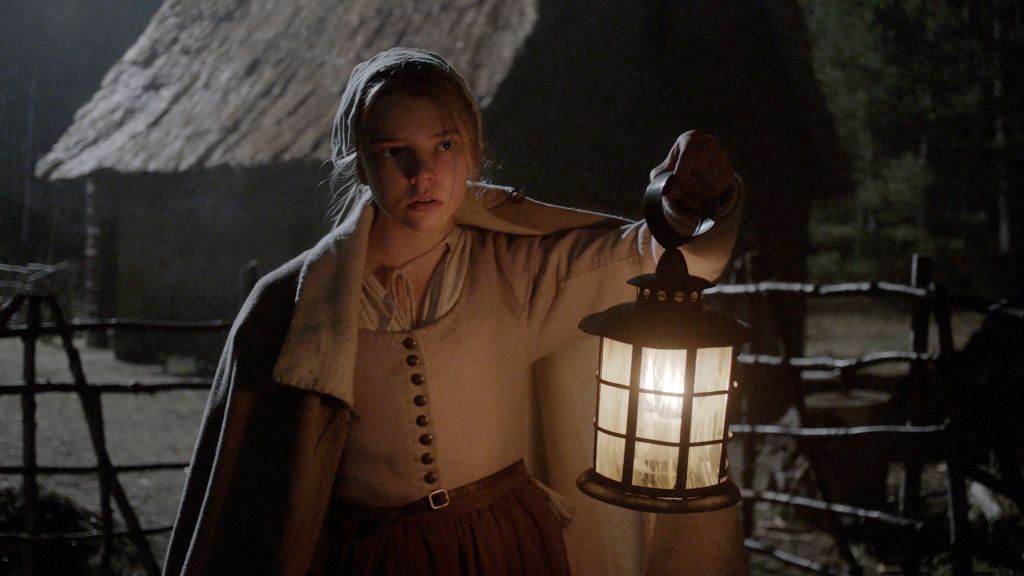
Forget conventional horror features, because The Witch doesn’t really follow that formula, and that may be exactly why its point still gets overlooked. Set in 17th-century New England, the story follows Thomasin (Anya Taylor-Joy) and her Puritan family after they’re banished from their community and forced to live in isolation near a forest. So, when the family’s baby disappears and other unexplained events unfold, suspicion starts to grow inside the household, and Thomasin becomes one of its main targets. But things get interesting when you realize she’s already living in an oppressive environment long before anything supernatural happens: her father expects obedience, her mother blames her for everything, and her family sees the world through a rigid religious lens.
So, as Thomasin approaches adulthood, her growing independence and sexuality also become sources of suspicion and are treated as signs of sin. Therefore, while The Witch may seem to be about discovering whether there’s a witch in the forest, it also shows how a society obsessed with purity and obedience can turn a young woman into a suspect just because she doesn’t fit the role expected of her. That’s why the ending makes sense: Thomasin chooses a frightening alternative, but one that gives her some control over her own fate. It’s a scenario rooted in the period the movie portrays, yet its implications still resonate today: female freedom can still be seen as a threat, while submission is often treated as a virtue.
2) Jennifer’s Body
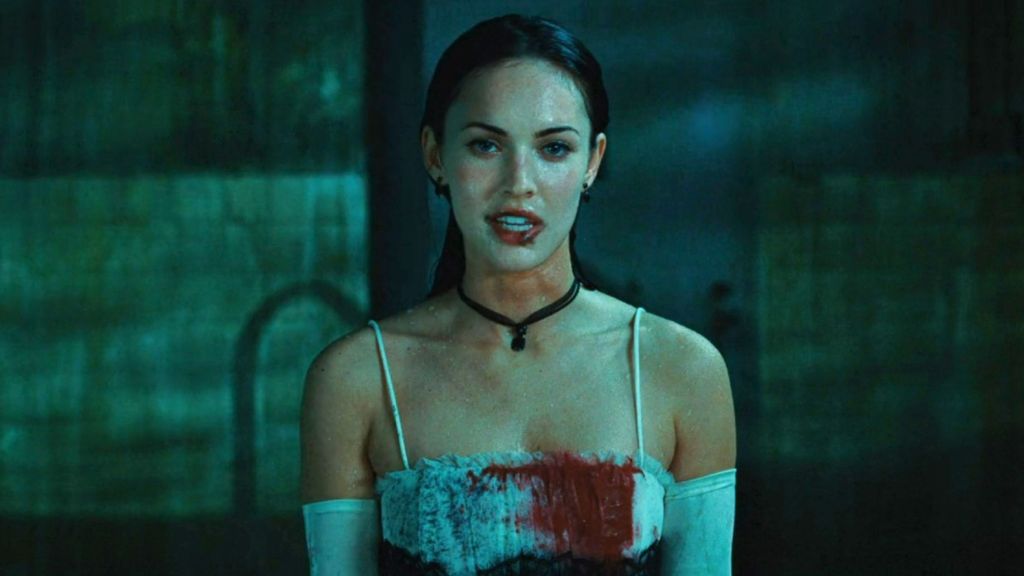
The main reason Jennifer’s Body belongs on this list is its marketing, and it makes sense that it took years for people to start appreciating the message behind it. The movie, which has become pretty well known, centers on Jennifer (Megan Fox), a popular high school student who’s sacrificed by a band that believes it needs a ritual to achieve fame. But the ritual goes wrong, Jennifer becomes possessed by a demonic entity, and she starts killing boys at school while her best friend, Needy (Amanda Seyfried), tries to figure out what happened to her. It sounds like a teen horror film about a pretty girl who turns dangerous, but from the start, the men around Jennifer are focused on what they can get from her body rather than who she actually is — and the movie’s marketing only reinforced that idea.
Try to watch it today, though, and it’s much easier to see its criticism of the objectification of women. The protagonist does horrible things, but that doesn’t erase the exploitation she experienced before becoming a monster. The point is that Jennifer’s Body understands the difference between portraying a sexualized woman and treating that woman like an object. The fact that so many people missed that when the movie first came out is pretty ironic for a film that criticizes an industry that knows exactly how to turn women into products, isn’t it? Now that a sequel is in the works, it’ll be interesting to see whether the same thing happens all over again.
1) Get Out
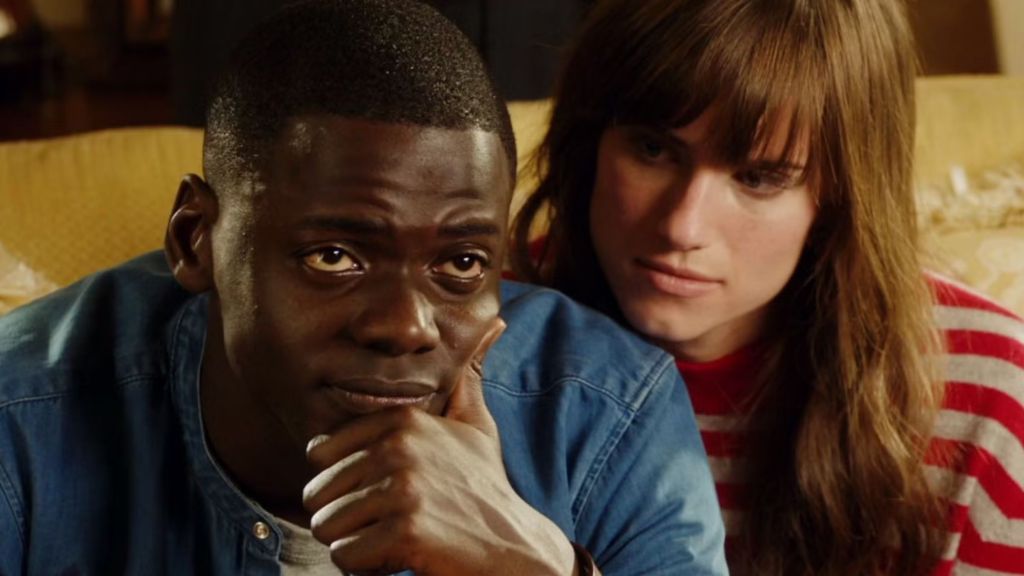
Get Out is a masterpiece, and that’s not really up for debate. It’s considered the best movie of the century, and it’s the kind of film that’s likely to become a classic for generations to come. What’s clever about it is that it never needed characters to openly insult anyone or be explicitly racist to make it clear the protagonist was in danger. Here, we follow Chris (Daniel Kaluuya), a Black photographer who’s about to meet the white family of his girlfriend, Rose (Allison Williams). But things get uncomfortable pretty quickly, from her father insisting that he would’ve voted for Barack Obama for a third time to other family members showing an excessive interest in Chris’ body and physical features. At first, it all just seems awkward, but little by little, the family’s behavior starts to make sense.
The idea is to explore a kind of racism that’s often overlooked, as it doesn’t involve outright hatred. These are people who consider themselves progressive, believe they have no prejudice, and may even express admiration for Black people, yet still treat them like objects of fascination. The problem is that people reduce Get Out to a story about a secretly racist white family and leave it at that. Once the family’s true intentions are revealed, it’s clear that their admiration for Chris never meant they saw him as an equal — they wanted what he had, without actually respecting who he was. Jordan Peele’s movie didn’t win the Oscar for Best Original Screenplay in 2018 for nothing. Its point is that discrimination can also come from people who truly believe they’re on the right side.
