


Articles
Josh Hartnett’s Forgotten Comic Book Movie Should Have Started a Franchise in 2007
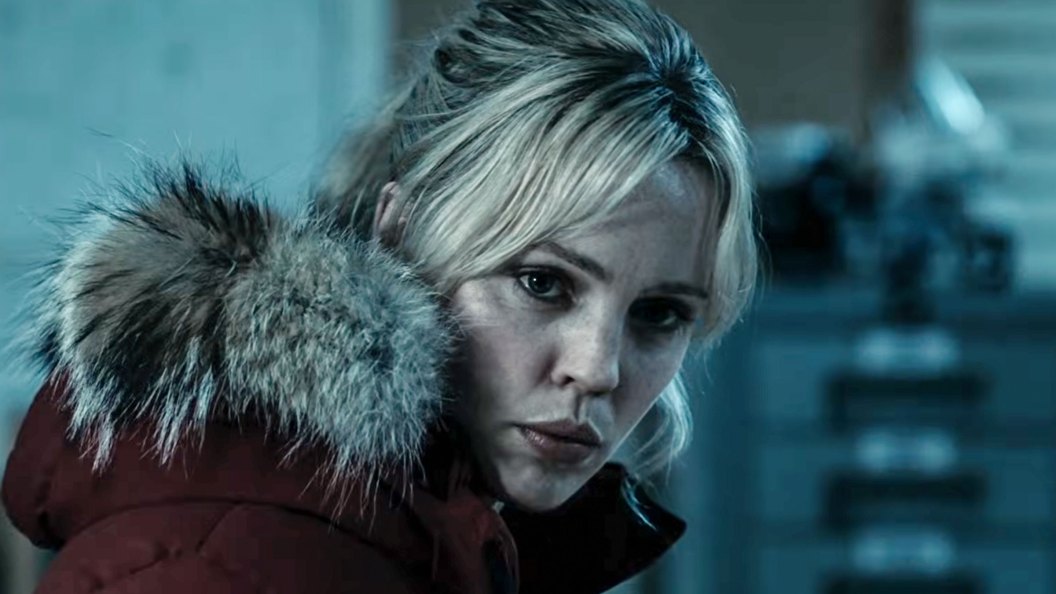
Josh Hartnett had a peculiar winter around 2007. He played a sheriff in an Alaskan town where the sun disappears for a month. The funny thing is, the movie’s production took place in New Zealand. And although the story took place across 30 days with no sunlight, everything was shot during the day with day-for-night film techniques in mind. That’s before the movie’s plot begins. During the story, there’s the fact that a gang of vampires shows up and starts killing everyone. But these weren’t the type of vampires who brood in fancy houses for centuries or fall in love with their high school crushes. These were monstrous, hungry, and vicious. They showed up with one goal in mind: to feast. Hartnett’s Sheriff Eben Oleson has to keep the survivors alive until daylight returns, which is easier said than done when the entire town is trapped in the dark—and quickly becoming a slaughterhouse.
The movie hit theaters on October 19, 2007. Before that, the comic book by Steve Niles and Ben Templesmith offered a vampire mythology that could go well beyond one Alaskan town. The film made decent money, too. Yet the franchise never really took off. Sony released a few follow-ups, but they went straight to smaller formats, and most moviegoers probably missed them entirely. For a film with such a nasty, memorable take on vampires, that’s a pretty disappointing fate.
30 Days of Night Had Everything a Great Horror Franchise Needed
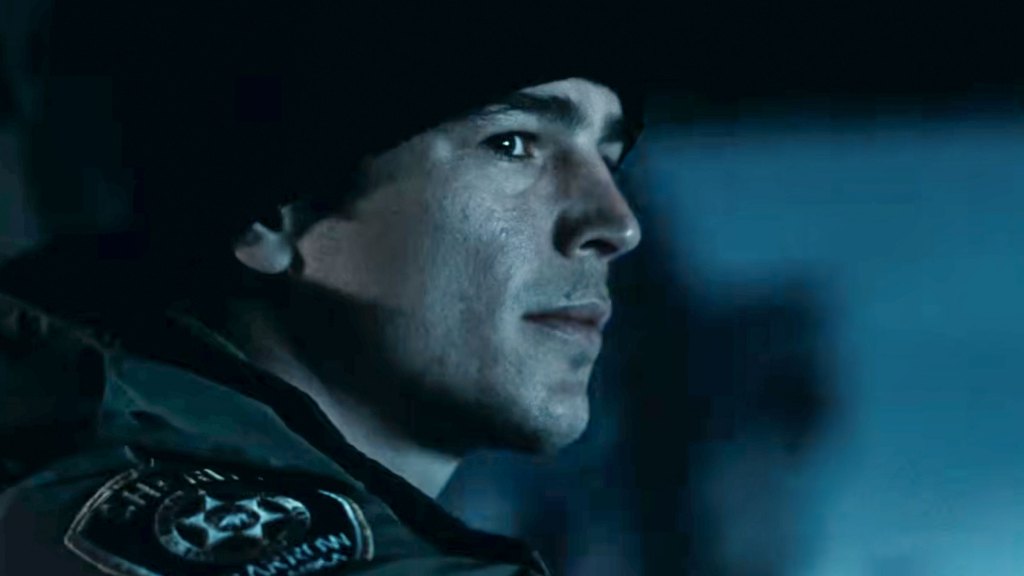
The best thing about 30 Days of Night is that it doesn’t waste time making its vampires mysterious or misunderstood. Danny Huston plays the leader of the creatures, and he’s frightening from the moment he arrives. The vampires speak in a strange language and instantly act like predators. There’s no grand romance or tragic backstory to soften the violence. Eben and his wife Stella have to survive a siege with almost nowhere to hide. The frozen setting makes everything worse. Even getting outside can be dangerous, and help isn’t exactly around the corner.
The trailer also did a great job of clearly conveying the tone, plot, and horror without spoiling anything. I was genuinely debating whether or not to watch this movie in theaters because it looked like it was full of jump scares. Not to mention, you’d be watching it in complete darkness. Kudos to you if you went into the cinema bravely!
The comic book offered plenty of ways to expand this world. Niles and Templesmith had created a vampire story that didn’t depend on one villain or one group of survivors. Other towns, other winters, and other encounters with these creatures could have made for very different horror movies. The 2007 film also performed well enough to justify another theatrical outing. It earned roughly $75 million worldwide against a reported $30 million budget. That’s not a guarantee of franchise success, but it gave Sony a reason to keep going. Instead, the series lost the scale and atmosphere that made the original stand out. A sequel could have explored the vampires further without losing what made them scary in the first place.
The 30 Days of Night Sequels Never Matched the Original
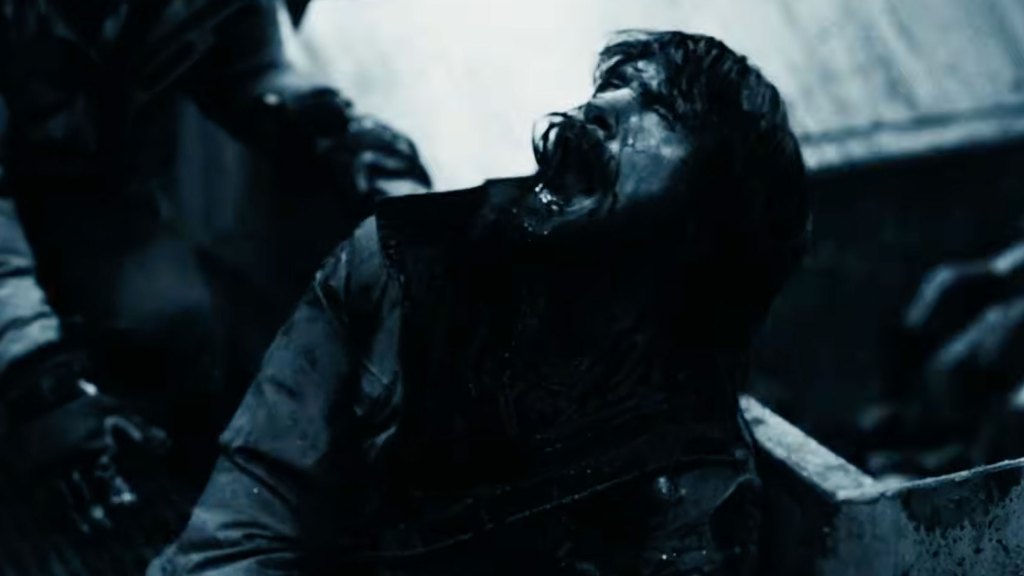
The franchise did continue, just not in the way fans might have hoped. Blood Trails and Dust to Dust were web series released in 2007 and 2008. Then 30 Days of Night: Dark Days arrived in 2010 as a direct-to-video sequel. It followed Stella after the events of the first film, but the original cast and Alaskan setting were largely gone. The story moved to Los Angeles, where Stella tried to convince others that vampires were real. It’s an interesting direction on paper, but it lost the claustrophobic feeling of a town cut off from the rest of the world. And without Hartnett’s Eben at the center, the sequel had a lot to prove.
The strange thing is that 30 Days of Night didn’t need a complicated cinematic universe. It just needed another good movie. The original had already established a terrifying group of vampires and a simple rule that made them dangerous: when the sun goes down, people are on the menu. A follow-up could have taken that idea somewhere new and kept the focus on survival. Instead, the franchise ended up with releases that many horror fans never saw. And let’s be honest, how many people can name the sequels without looking them up? Hartnett’s film deserved a bigger shot. Its vampires were memorable, its premise was easy to understand, and the comic offered plenty of room for more stories. Hollywood has revived far weaker horror properties. It’s hard not to wonder what another proper theatrical sequel might have done.
What do you think about the franchise as a whole? Does it deserve another chance to continue and be revivied?
