


Articles
This ’90s TV Show Made Its Main Character So Evil That Its Cancellation Made Sense (But a 2026 Reboot Would Work)
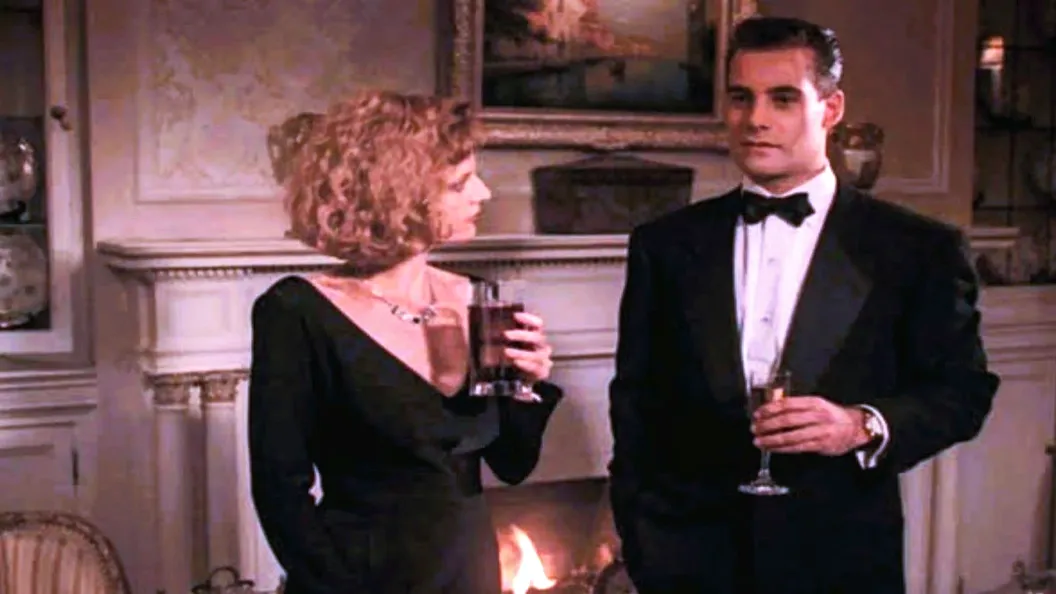
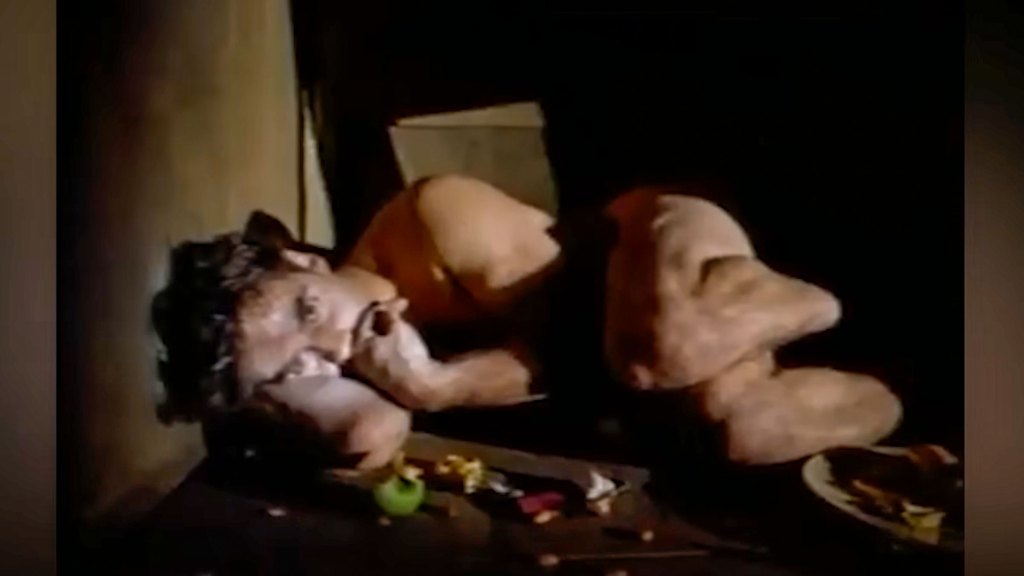
Remember when Fox was the network that seemed willing to try just about anything? The mid-’90s gave us The X-Files, Married… with Children, and a parade of shows that probably wouldn’t have survived a meeting at a more cautious network. Then, in April 1996, along came Profit, a drama about a corporate executive who made Gordon Gekko look like a perfectly reasonable guy to share an office with. Adrian Pasdar played Jim Profit, a man with expensive suits, an impeccable smile, and a rather disturbing sleeping arrangement: a cardboard shipping box hidden inside his apartment. Yes, the guy climbing the corporate ladder at Gracen & Gracen went home and curled up in a box bearing his company’s logo. That’s the kind of detail you don’t forget.
Created by David Greenwalt and John McNamara, with veteran television producer Stephen J. Cannell aboard as an executive producer, Profit wasn’t exactly your usual network drama. Jim didn’t have a conscience waiting to emerge after a difficult childhood, and he wasn’t secretly doing terrible things for some greater good. He wanted power, and he was perfectly happy to ruin lives to get it. Critics were intrigued, but the audience never really showed up. Fox pulled the show after four original broadcasts. Looking back, the cancellation makes sense. But so does the argument that television might finally be ready for another look at Jim Profit.
How Profit Made Jim Profit One of TV’s Most Disturbing Antiheroes
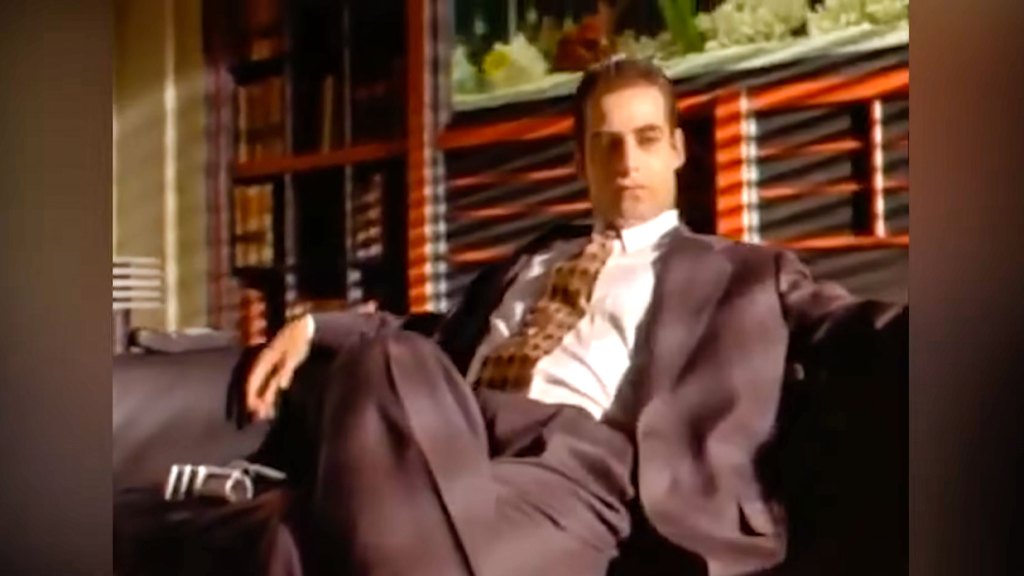
Jim’s job title was junior executive, but his real occupation was finding out what made people tick and using that information against them. At Gracen & Gracen, he could play the polished company man in a meeting, then blackmail a colleague or engineer somebody’s downfall when nobody was watching. He didn’t need to raise his voice. Half the fun, if you can call it that, was watching Adrian Pasdar deliver a line with that smooth, almost sleepy confidence while you wondered what awful thing Jim was planning next. Many critics praised Pasdar’s performance when the series premiered, describing him as a master actor playing a master actor. That’s a pretty good way of putting it. Jim’s greatest talent wasn’t just lying; it was making the lie look like the most natural thing in the world.
And then there’s that box. Jim’s childhood was marked by horrific abuse, including being confined by his father, and he continued sleeping in a cardboard box as an adult despite having a luxurious apartment. It’s an unsettling little window into a character who otherwise seems to have everything under control. Cannell, whose television credits included The Rockford Files and The A-Team, helped shepherd a series that deliberately refused to give viewers a conventional hero. Greenwalt and McNamara weren’t interested in making Jim lovable just to smooth things over. As McNamara explained at the time, the show was about evil existing right alongside ordinary people. That’s a pretty grim idea to build a weekly drama around, but it also explains why Profit still sticks in the mind.
Why Profit Could Find a Bigger Audience in Today’s TV Landscape
Here’s the frustrating part of the Profit story: the critics were paying attention. But positive reviews alone don’t pay the network bills, and Fox pulled the series after four original broadcasts in April 1996. The remaining episodes eventually aired later, but the damage was done. The show had arrived at a time when networks were still trying to figure out how far they could push a leading character audiences were supposed to follow every week. Jim wasn’t a likeable rogue, and there was no guarantee he’d learn a lesson before the closing credits. Some viewers found that fascinating; others simply weren’t interested in spending their evenings with a man who could destroy someone’s life before lunch.
A reboot isn’t just a made up idea, either. In 2018, Pasdar mentioned that a reboot was being developed, with Tawnia McKiernan attached. That project never became a released series, but his argument that the time might be right still makes sense. A modern Jim Profit would have plenty to work with: corporate image management, private data, workplace rivalries, and executives who spend as much time controlling their public reputations as running their businesses. The trick would be not to turn him into a cool antihero who’s secretly right about everything. But with all the dark shows currently airing anyway, is another one even a good idea? Not to mention, it might not have the same shock value it had back in the ’90s when TV had stricter rules. Do you remember this show? If you watched it, let us know your thoughts!
