


Articles
2 Years Before His Death, River Phoenix Starred In a Secret Shakespeare Adaptation (& It’s Quietly One of His Best)
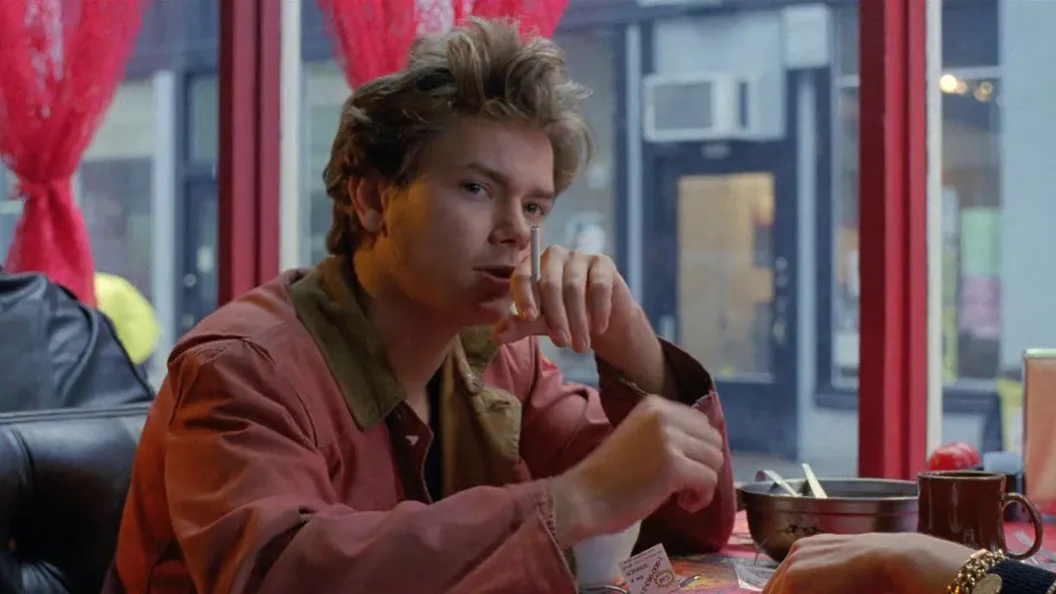
By the early 1990s, River Phoenix was well on his way to being an entertainment icon. After starting his acting career in commercials as a kid, he made his way to the big screen in films like Explorers in 1985 and Stand by Me in 1986 where he soon became a major star for his role as Chris Chambers in the critically acclaimed coming of age drama which also stared Jerry O’Connell, Kiefer Sutherland, Wil Wheaton, and Corey Feldman. His star was certainly on the rise but it was cut horribly short. Phoenix died in 1993 at the age of 23. But while Phoenix’s story has since become deeply intertwined with the idea of what might have been and his passing at such a young age a cautionary tale, before his passing, Phoenix left behind what might be is best role — even better than his turn in Stand by Me or his Academy Award nominated work in Running on Empty and what most people don’t realize is that quiet, career best role was actually a secret Shakespeare adaptation.
On September 29, 1991, Gus Van Sant’s My Own Private Idaho debuted in theaters. The film starred Phoenix and Keanu Reeves as two friends, Mike Waters and Scott Favor as the pair find themselves on a journey of self-discovery that leads them far from Portland, Oregon to Idaho and eventually to Rome as they search for Mike’s mother. The film was both a critical and box office success, and has since become a cult classic, but the film has an important place not only as a landmark work of new queer cinema — a movement that was just starting in the 1990s — but also as Phoenix’s best and perhaps most underappreciated role.
My Own Private Idaho Was A Loose Adaptation of Three Shakespeare Plays
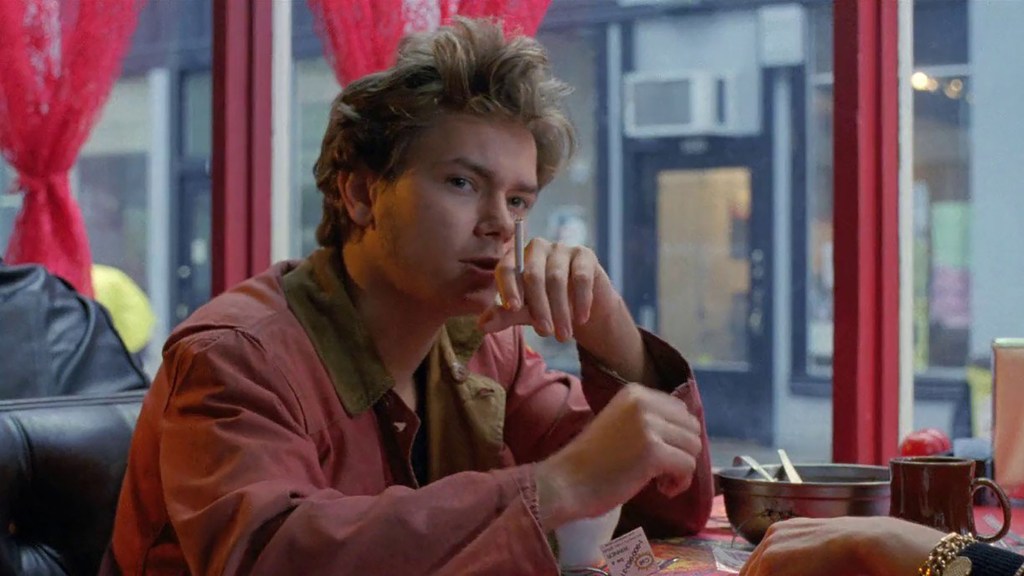
In My Own Private Idaho, Phoenix plays Michael “Mikey” Waters, a gay hustler who also has narcolepsy. Each time he falls into a narcoleptic episode, he has strange dreams of his childhood and his mom. It prompts Mikey to go on a journey with his friend, fellow street hustler Scott (Reeves) to find his mom. They eventually end up going to Italy to look for her only to discover she’s gone back to the United States. However, at the start of the journey, Mikey admits to Scott while the two sit by a campfire that he loves him, though Scott doesn’t return those feelings. It doesn’t derail the journey, but it certainly changes to tenor of things between the.
But from that description you might be asking yourself how this film is an adaptation of Shakespeare and the key to that is that it is a very loose take on the story. that plays out across Henry IV Part 1, Henry IV Part 2, and Henry V. In general, the story follows a growing revolt against King Henry IV while his son, Prince Hal, spends his time drinking and partying in taverns with the night Sir John Falstaff. Eventually, King Henry IV grows ill and dies, leaving Prince Hal to have to step up and, in the process reject Falstaff. At its core, the Shakespeare story is about being human, self-discovery, and the intersection of class structure. My Private Idaho shares many of the same themes and structures but is by no means a direct adaptation — though the film does use highly stylized paraphrases from the Shakespeare works as dialogue. If anything, you can consider the film to be more of a reinvention of the classic work of literature, one that modernizes it for its own era.
Phoenix Is the Real Center of the Film
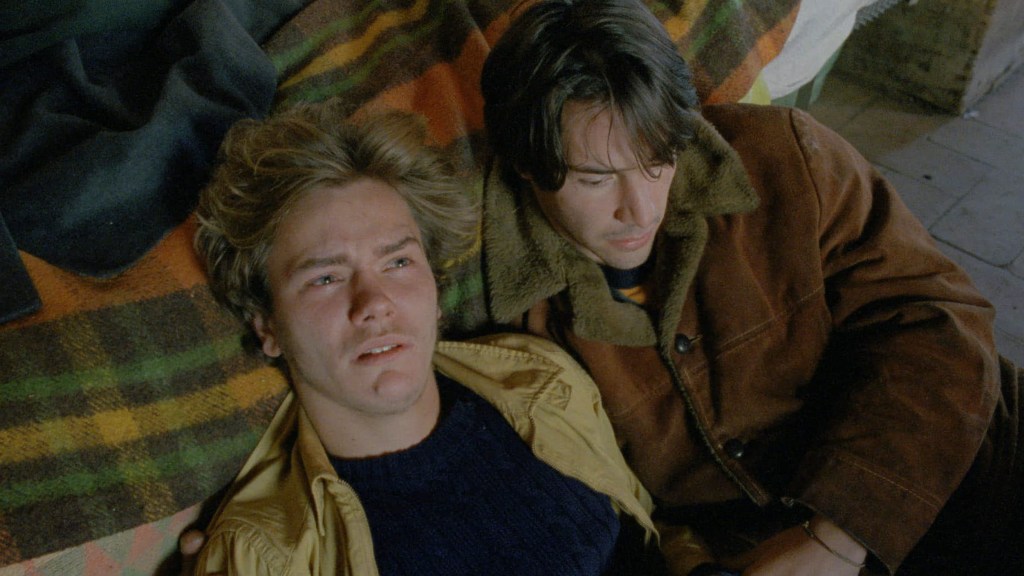
What makes My Private Idaho particularly interesting is that, while it is influenced by the Shakespeare story that is more centered on Prince Hal, the movie centers in on a different character, Phoenix’s Mike (who, if you know Shakespeare, is probably most closely connected to Poins, Prince Hal’s close companion, in the plays). It’s through Mikey’s story that we understand the genuine tragedy of it all. Phoenix’s Mikey is this vulnerable and beautiful portrayal of humanity. There’s a kindness, and a tenderness to him that isn’t stripped away by the life of hardship and poverty that he is tethered to and he doesn’t let the emotional emptiness of his life empty him. The scene where he confesses his feelings to Scott, is achingly beautiful and hauntingly real, with Scott not returning the feelings and Mikey choosing to not only accept it but love him anyway.
That scene alone is perhaps the greatest performance in Phoenix’s too-short career, but it’s how the rest of the story plays out that only cements the emotional gravity of it. Ultimately, while Mikey and Scott remain close friends during the journey, when they get to Rome, Scott falls in love with a woman, abandons Mikey with a handful of money, and departs. He’s not only now “paid” his friend for being there but also left the young man alone. It reinforces the idea that Mikey can never leave the cycle he’s in, but his is the life most honest while Scott runs from the situation and back to the world of privilege he was always just a tourist from to begin with. Like the Shakespeare it’s inspired by, My Private Idaho is sad. It’s a tragedy. And it is, thanks to Phoenix, beautiful.
Did you know that My Private Idaho was loosely based on Shakespeare? Let us know in the comments.
