


Articles
5 Cult 1996 Sci-Fi Shows That Turn 30 This Year, With a Combined 158 Episodes

Sci-fi on TV in the ’90s already had some heavy hitters like The X-Files and Star Trek: Voyager, but it was also seeing a surprising number of smaller shows trying to capitalize on the audience’s growing interest and the genre’s slowly changing reputation as something that was difficult to get into. There were plenty of experimental shows, others that tried to ride the wave of more popular titles, and some that were just looking to carve out their own space with a more creative premise. However, this period didn’t work out so well for some of them, especially those that debuted in 1996. Still, they weren’t complete failures, as a small but dedicated audience followed them from beginning to end.
Thirty years have passed since then, but it’s worth looking back at some of the shows that helped sci-fi gain more visibility on TV, even if they never reached the same level as the giants that went on to become classics. Here are 5 of them.
5) Hypernauts
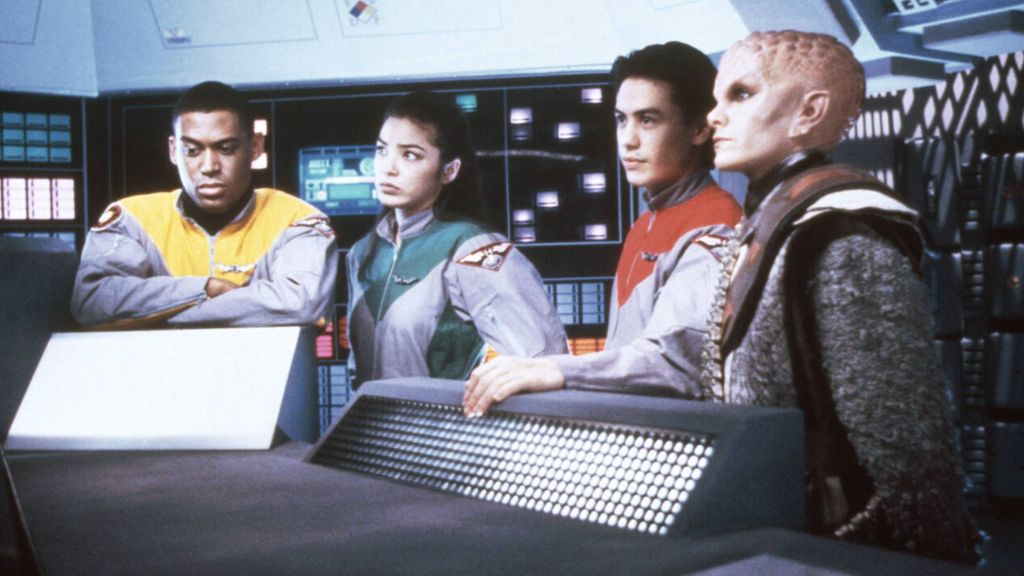
If you’ve never heard of Hypernauts, that’s not exactly surprising, since the series premiered in 1996 but only had eight episodes and practically disappeared afterward. The story follows three teenage cadets who end up stranded in an unknown region os space alongside an alien princess, as they try to escape a force responsible for destroying several planets. It’s a pretty typical sci-fi premise (especially for the time), but it had one major difference: the same digital effects team behind the classic Babylon 5, along with a desire to show what the new technology could do for the genre on TV.
The show, overall, isn’t exactly a hidden gem that was canceled before it had the chance to become a ’90s hit like so many others, but it’s the kind of series many fans would probably enjoy revisiting. Also, for anyone getting into the genre at the time, it was a good gateway into not only Babylon 5, but also other major shows such as Battlestar Galactica and Star Trek, for example. Hypernauts had aliens, space adventures, and pioneering effects, even if its time on TV was unfortunately short-lived.
4) The Burning Zone
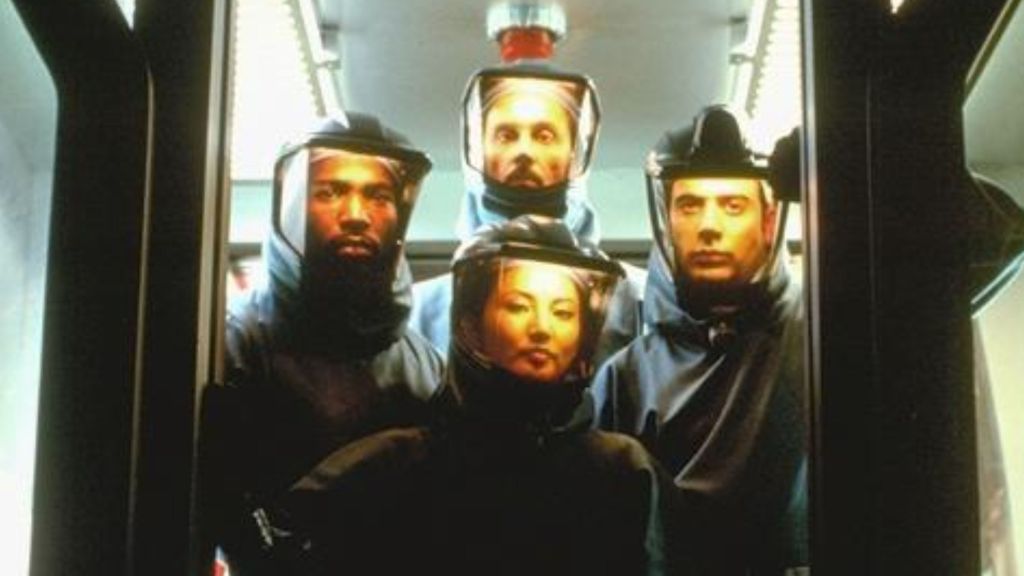
There was a time when The X-Files was at the height of its popularity that it was only a matter of time before another show came along trying to be the next version of it, and that’s where The Burning Zone came in. But instead of paranormal investigators, this one followed a government team investigating viruses, biological weapons, and other potentially catastrophic scientific threats. It’s actually a pretty smart idea since it gave the show room to do investigation, conspiracy, and sci-fi stories without having to rely on monsters of the week. On the other hand, while the attempt was definitely worth making, it never quite found a strong identity of its own to escape the shadow of the hit show.
Having lasted for a very short time and gone through major cast changes and shifts in the direction of the story while it was still on the air, The Burning Zone ended up getting lost in the shuffle without really meaning to. But that doesn’t mean it wasn’t eventually rediscovered and appreciated, which is why it’s more fun to look at it as a ’90s experiment than as a misunderstood project. A lot of cult productions became cult favorites for exactly that reason, and this one is also a great example of looking at how TV works when it tries to make the most of a formula that has already become a phenomenon.
3) Space Cases
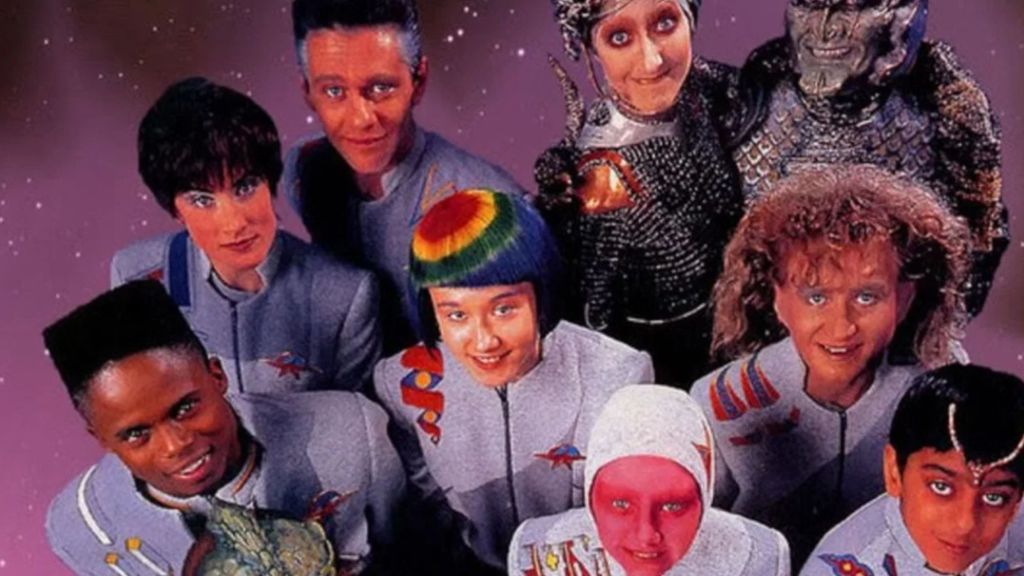
Nickelodeon’s shows from the ’90s are hard to forget, right? Well, the channel also explored sci-fi with Space Cases. Created by Peter David and Bill Mumy, both of whom had worked across comics and Star Trek, the show follows a group of students who find themselves stuck on an alien spaceship and have to figure out how to survive while trying to make their way back home. It’s simple enough for its target audience, but it’s much more interesting when you realize it was an attempt to create a real space adventure instead of just putting child characters into sci-fi situations — so much so that it managed to build a small universe of its own, also featuring genre names like George Takei and Mark Hamill.
Especially for anyone who grew up in the decade, Space Cases is pure nostalgia. It never became particularly well-known because it never really broke out of the sci-fi fan bubble, but it’s one of the most interesting productions from 1996 and one of the best examples of a time when even a kids’ network was willing to take a chance on a genre that was still seen as too complex and serious for mainstream TV. A lot of people still remember it and wish it had lasted longer, since it was unfortunately canceled due to low ratings and an extremely unstable schedule on the network.
2) The Pretender
The Pretender wasn’t entirely sci-fi, also having elements of drama and fantasy, which is why it might seem like a less obvious choice for this list. The story revolves around Jarod (Michael T. Weiss), a man who can learn pretty much any profession and easily take on a new identity after spending most of his childhood being used by an organization called the Centre to carry out simulations and experiments. After escaping, he starts travelling across the country, taking on different jobs to help people while also trying to learn more about his own past and stay away from the organization that is still after him. In short, the series was essentially a procedural with a conspiracy constantly developing in the background.
This structure helped The Pretender last for four seasons, something several other shows in the genre failed to do, while also giving the audience time to get invested in the story. Considering it premiered in 1996, it’s almost as if it was ahead of its time (TV wouldn’t lean into structures like this nearly as much until the 2000s). And three decades later, it’s fair to say that it has aged pretty well, especially since it still has .
1) Dark Skies
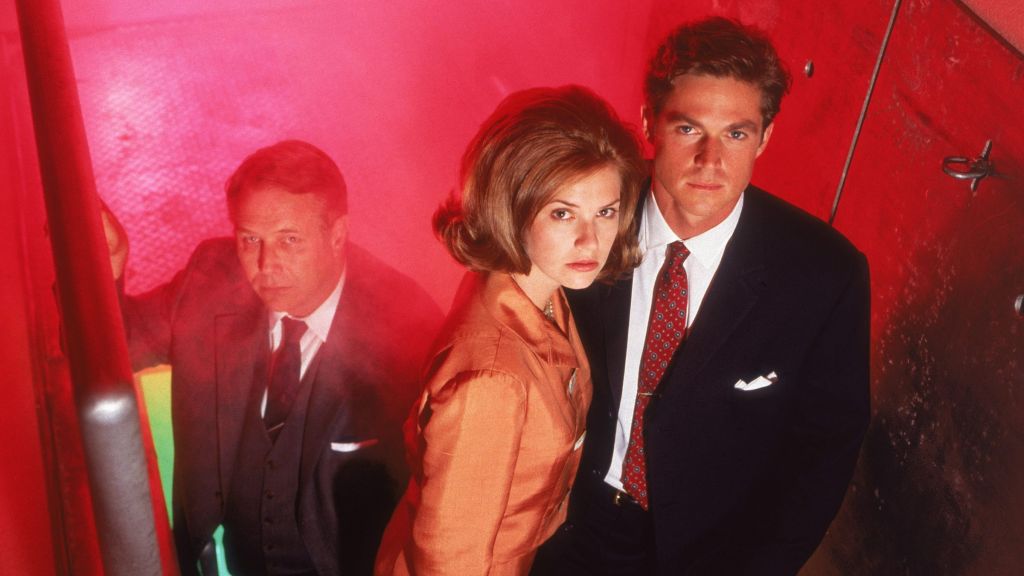
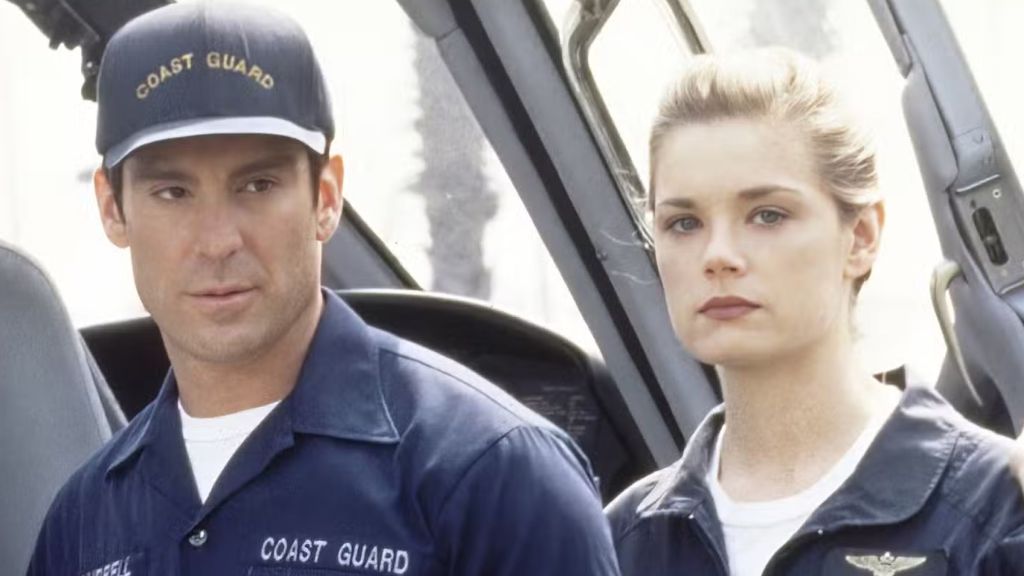
A short-lived show with a very loyal audience, Dark Skies is the perfect representation of the era’s obsession with aliens and conspiracies. The series is built around the idea that extraterrestrial beings have already been on Earth for decades, while the government has spent all that time trying to hide the truth. So, John Loengard (Eric Close) and Kimberly Sayers (Megan Ward) eventually discover the existence of the conspiracy and get pulled into a story that turns historical events into part of a secret war against extraterrestrials. And it’s another show that has aged very well, as it doesn’t just use the alien theme as background — the whole point is to fit extraterrestrials into several major moments in American history.
Unfortunately, the show was canceled too early, and it might have been one of NBC’s most frustrating cancellations since an entire mythology was being built with a lot of potential. It’s not necessarily a big TV production that was unfairly overlooked, but it has such a specific premise that it’s easy to understand why it didn’t attract a huge audience. Still, Dark Skies had an incredible amount of creativity that makes it well worth remembering now that it turns 30.
