


Articles
Star Trek’s Most Important Episode Was Originally Banned in Britain (But Not For the Reason You Think)
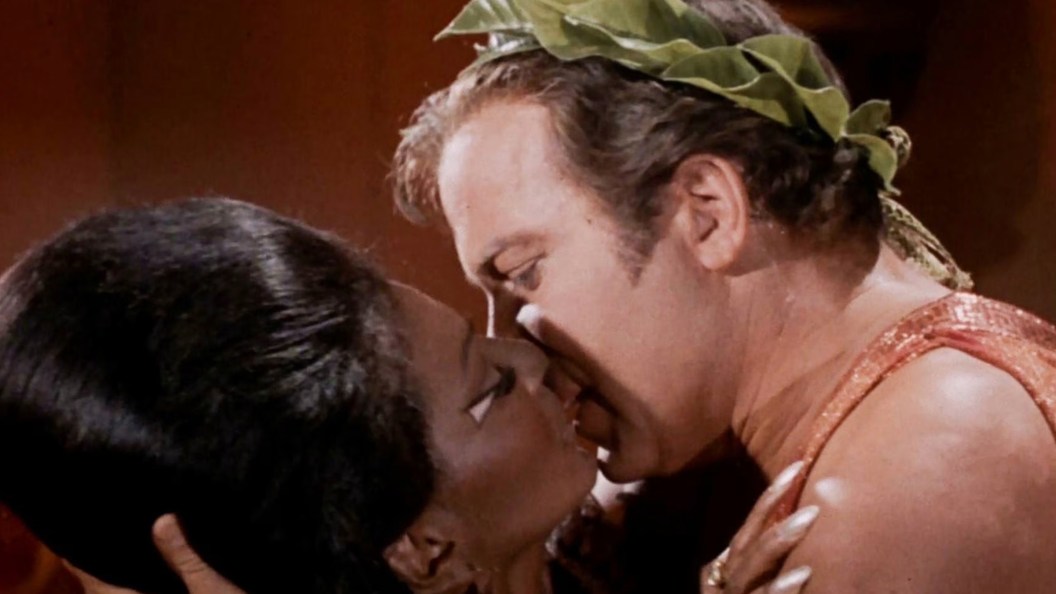
Star Trek: The Original Series was a series that pushed every boundary. While The Next Generation is often rightly cited as the more progressive of the two, that’s not to say that The Original Series didn’t lay the groundwork for later chances taken and push against bigotry in its own right. The best example of this, perhaps, is from the season three episode “Plato’s Stepchildren.” This episode saw the Enterprise‘s crew land on a planet filled with telekinetics and found themselves, as always, in way over their heads. However, the real draw came when Captain Kirk, a white man, shared an on-screen kiss with Lt. Uhura, a black woman.
Given that this episode premiered in 1968, this was a massive deal. For decades, it was cited as the first interracial kiss on television, and while there is now debate over when exactly that occurred, there’s no denying that this was the best-known interracial kiss on a major TV show at the time. Given the era it came out in, it’s no surprise that not every country was accepting of an episode like this. In fact, it was originally unable to air in Great Britain, but funnily enough, it had nothing to do with the kiss. In fact, it had everything to do with how the country looked at Star Trek, and the violence it featured.
A Hilarious Category Change that Banned This Episode
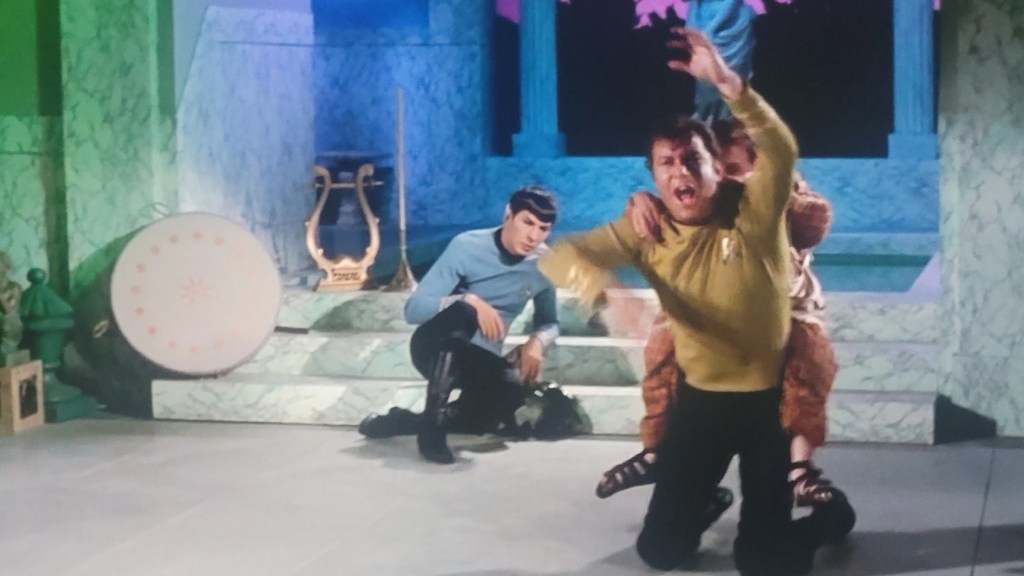
The BBC decided that this episode could not air on their station, but not because of the kiss. Instead, it was the sadism and torture that were central to it. See, the leader of the Platonians was an arrogant, angry man who reveled in tormenting and bullying others. He took great pleasure in putting Kirk and the rest of the crew through agony throughout the episode, such as forcing Kirk and Spock to dance with his telekinesis. The entire plot of this episode revolved around this abuse of power, after all. Sure, this episode was more violent than normal, but given that it was made for an older audience, it only made sense. It was more than normal, but nothing extreme or grotesque.
That is, of course, unless the main audience for the show was children, which was exactly the case for the BBC. See, they viewed and rated Star Trek as a children’s show, likely because of its sci-fi elements. Because of this, they would ban any episode that they deemed too violent or sexual for children’s viewing. This wasn’t the only episode to suffer this fate, as scenes like Marta’s dance in “Whom Gods Destroy” also got entire episodes banned. The entire cast and crew behind this show expected it to be controversial, but nobody expected it to be banned for depicting torture.
It’s absolutely hilarious to me that this episode is still regarded as one of Star Trek‘s most important and influential because it was unafraid to tackle something as massive as race relations. And yet, that moment was such a small one in the episode, playing into the theme that nothing can define a person but the strength of their character. The BBC saw a much bigger issue with the main story that surrounded the kiss, and banned it for that. Ironically, the episode was incredibly well-received for the kiss everyone thought would be controversial. It’s funny how these things work out.
What Star Trek episode do you think is the most important? Let us know in the comments below!
