


Articles
42 Years Later, One Terminator Quote Proves Exactly Where Most of the Sequels Went Wrong
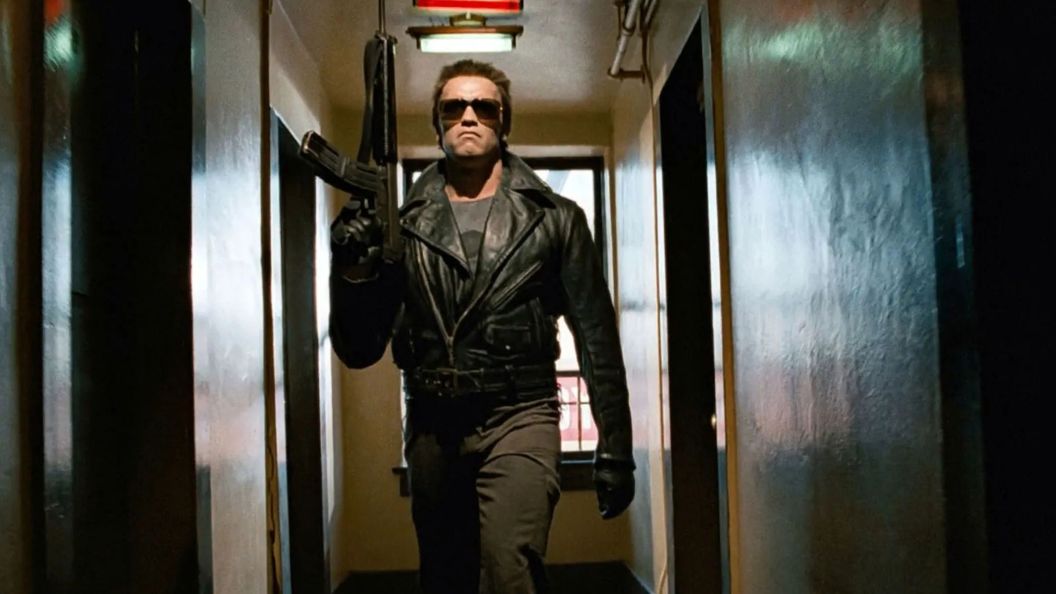
It’s been more than four decades since Kyle Reese’s warning in The Terminator. Yet his words still perfectly explain what made the original T-800 so terrifying. That particular machine wasn’t a villain with a complicated backstory or a misunderstood monster waiting to be redeemed. Kyle is describing something much simpler: a robot with one objective, and absolutely nothing inside it capable of preventing its mission. When Reese first warns Sarah Connor about the Terminator, it’s an intense moment as he explains to her, “That Terminator is out there! It can’t be bargained with. It can’t be reasoned with. It doesn’t feel pity, or remorse, or fear. And it absolutely will not stop… ever, until you are dead!”
The original Terminator film understood that’s all we needed to know about the machine—and that made it even scarier. Arnold Schwarzenegger’s T-800 barely needed to speak. He possessed no feelings and never revealed his thoughts (if he had any). There was no relationship with Sarah Connor. The T-800 simply found her and kept hunting. That’s what made him scary. The Terminator wasn’t chasing Sarah because he had a personal grudge against her. He wasn’t angry or seeking revenge. The Terminator had only one goal, one purpose, and she was simply the target. And that may also explain where so many of the Terminator sequels went wrong.
T2 Changes the Killer Formula
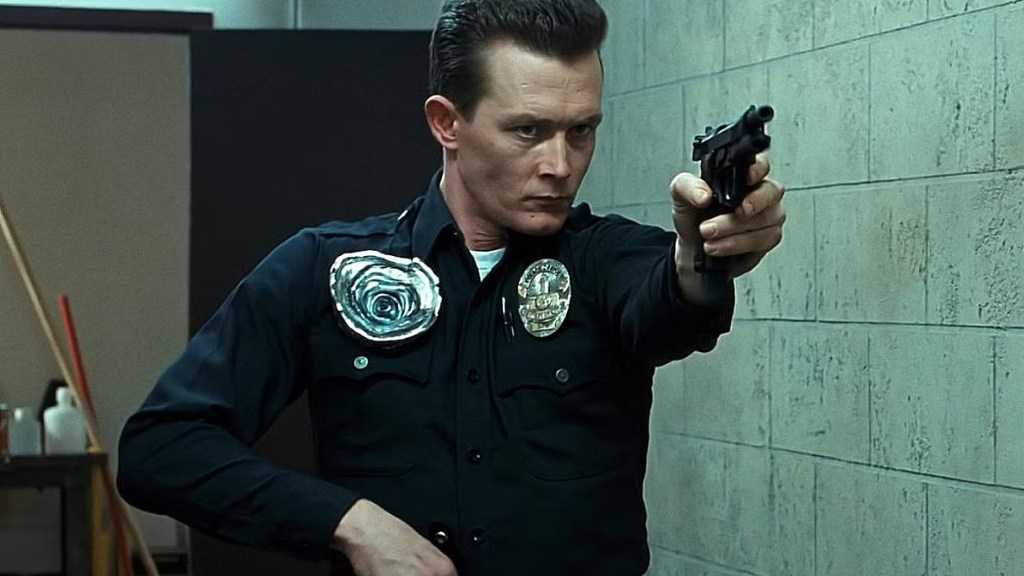
Then came Terminator 2: Judgment Day, and James Cameron did something that should have completely ruined the successful formula of the first film: He turned the Terminator into the hero. The T-800’s relationship with John Connor became the emotional heart of the movie. The machine learns, develops something resembling affection and becomes John’s protector protector. Suddenly, the emotionless killing machine from the first movie has a personality and speaks his mind.
But there’s an important distinction. Terminator 2 doesn’t undermine the original Terminator. It plays with the audience’s expectations of it. The entire point is that this familiar machine has been given a new mission that he must hyper-focus on. On the opposite front, Robert Patrick’s liquid metal T-1000 perfected the robotic killer robot archetype. But I also I don’t think Terminators necessarily need to remain completely silent in every sequel. Frankly, that could become redundant and dull. If every new Terminator simply walked around without saying anything, stared blankly and killed everyone, the franchise would eventually feel like it was repeating itself. The problem isn’t that Terminators started talking. The problem is that they didn’t always feel distinctly robotic anymore. Not to mention, there was things that didn’t make sense about the future war with the machines.
Where the Later Terminator Sequels Went Wrong
Terminator 3: Rise of the Machines received plenty of hate and there were multiple reasons it didn’t fare as well as its predecessors. James Cameron did not direct it and its tone went from sci-fi horror to action drama to Hollywood action comedy. Sarah Connor was killed off early and John Connor’s character lacked charisma and likeability. As the series went on, there were more things that didn’t line up with John Connor’s story. Then there was the T-X. At least the story tried to bring back the unstoppable-machine formula, but the T-X seemed more like an emotionless CGI puppet that was good at fighting in a bathroom and getting dunked into a toilet. She was more powerful and had more tricks, but the audience had already seen the concept perfected. Meanwhile, Schwarzenegger’s T-850 was once again a protector, complete with jokes and personality. That’s not necessarily a bad thing—T2 proved that a Terminator could have an emotional connection with a human—but in T3, he felt more like a caricature than an emotional android.
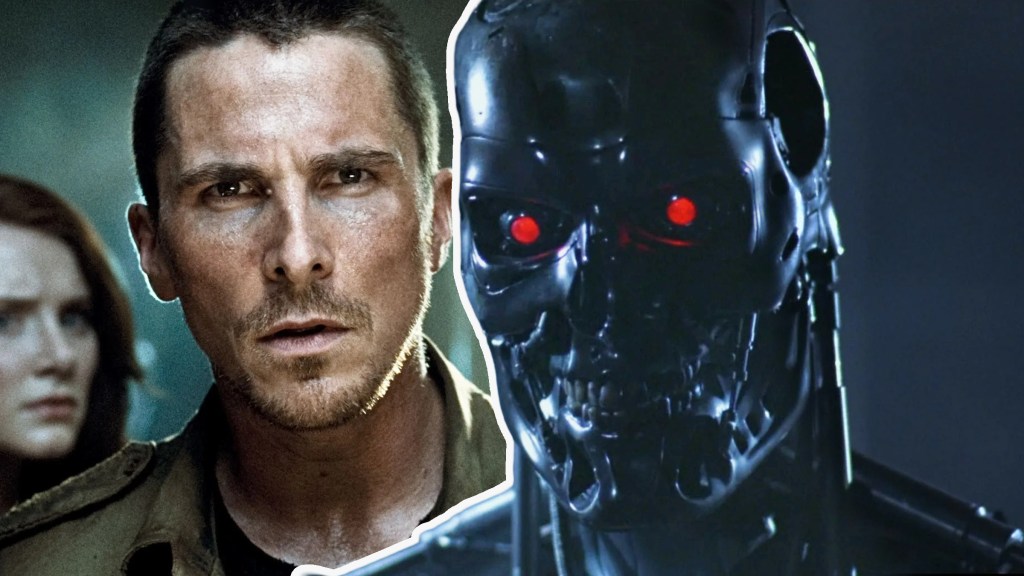
Terminator Salvation took the franchise in a different direction, moving almost entirely into the future war and putting John Connor’s fight against Skynet front and center. Its most interesting twist was Marcus Wright, a condemned man who wakes up to discover that he’s been brought back as a human-machine hybrid. It’s a clever idea, but it also exposes one of the franchise’s growing problems: the Terminator is no longer necessarily the thing we’re supposed to fear. In Salvation, we’re encouraged to sympathize with one.

And Terminator Genisys takes that idea and runs with it—possibly a little too far. Its T-800, affectionately called “Pops,” has been protecting Sarah Connor since she was a child, effectively becoming her surrogate father, bodyguard, and robot life coach. The alternate timeline is certainly ambitious, but it comes with a strange side effect: the more the Terminator loves, protects, and jokes around with Sarah, the harder it is to square him with the terrifying machine Reese described in the original film. Of course, Terminator 2 had already cracked open that door by turning the T-800 into a surrogate protector for John. But Genisys pushes the idea even further, transforming the ultimate symbol of cold, mechanical inevitability into something remarkably close to Dad. At some point, “I’ll be back” starts sounding less like a death threat and more like a promise to pick you up from school.
Terminator: Dark Fate at least tried to return to the original formula with the Rev-9. It’s a relentless machine hunting a new target, and it seems incapable of knowing when to quit. But even here, the franchise couldn’t resist making its Terminators more human. The movie turns the once-terrifying T-800 into Carl, a machine that spends decades living as a human. He develops relationships, rescues a woman and her son, and even becomes a father figure. He also runs a drapery business, because that’s what Terminators do after the apocalypse. It’s an interesting idea, but it’s almost the opposite of Reese’s warning. The Terminator can change. It can feel guilt. It can form attachments. Most importantly, it can choose to stop. That’s the problem with the later sequels. The machines became more powerful and complicated, but also more human. In the process, they lost what made the original so terrifying: the feeling that once it starts coming for you, nothing will make it stop.
Maybe that was the secret equation all along. The more the Terminator came across as a machine, the more terrifying it was. Giving each Terminator unique qualities that stayed true to the story’s themes kept the formula fresh. But once the franchise started making the Terminator too much like a human and encouraging audiences to sympathize with what was supposed to be a stone-cold killing machine, the formula began to lose sight of its roots. And since the franchise kept heading in that direction, the future of the Terminator franchise truly reached Judgment Day.
