


Articles
5 Things the Dune Movies Changed From the Books That You May Not Realize
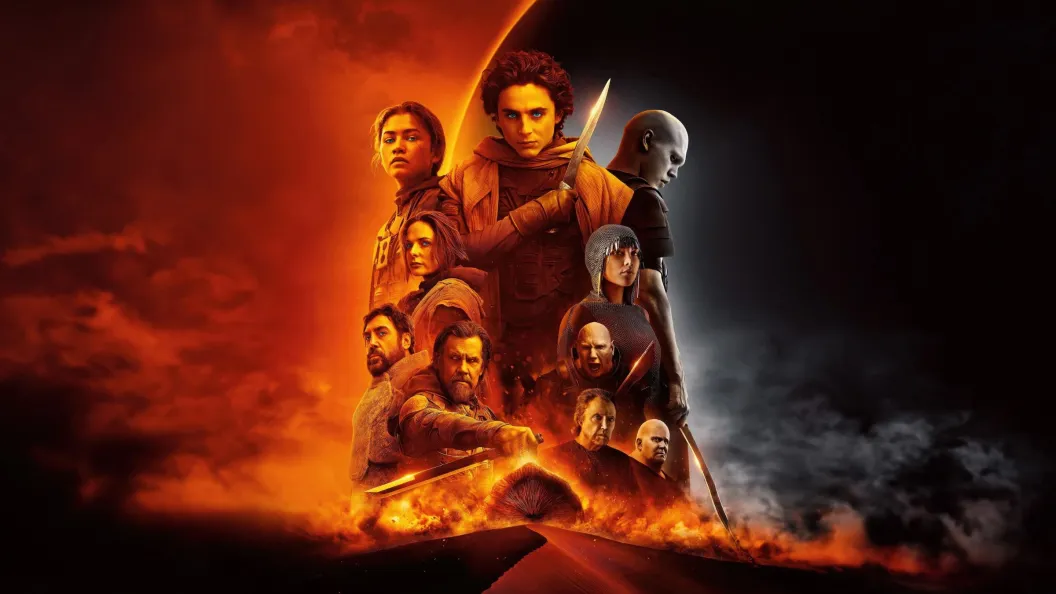
Considered one of the best sci-fi sagas of the last few years, Dune was brought to audiences in a very well-planned way through Denis Villeneuve’s vision after David Lynch’s failed 1984 version. Divided into three parts (with the last one expected by the end of the year), the adaptation is already hailed as a masterpiece, since the books by Frank Herbert were long seen as practically unfilmable due to how complex they are. And for that to happen, some changes had to be made here and there, both to the structure of the story and to character storylines. A lot happens throughout the first book alone, but fitting absolutely everything in, even across two features, would have been way too much information and would only make things confusing.
So, everything was rearranged, and while some of the changes are pretty obvious, others only really stand out when you compare the adaptation to the original material — and if you only know Dune from the films, you probably don’t know about some of the biggest ones. Here are a few that might surprise you.
5) Stilgar Isn’t as Devoted to Paul
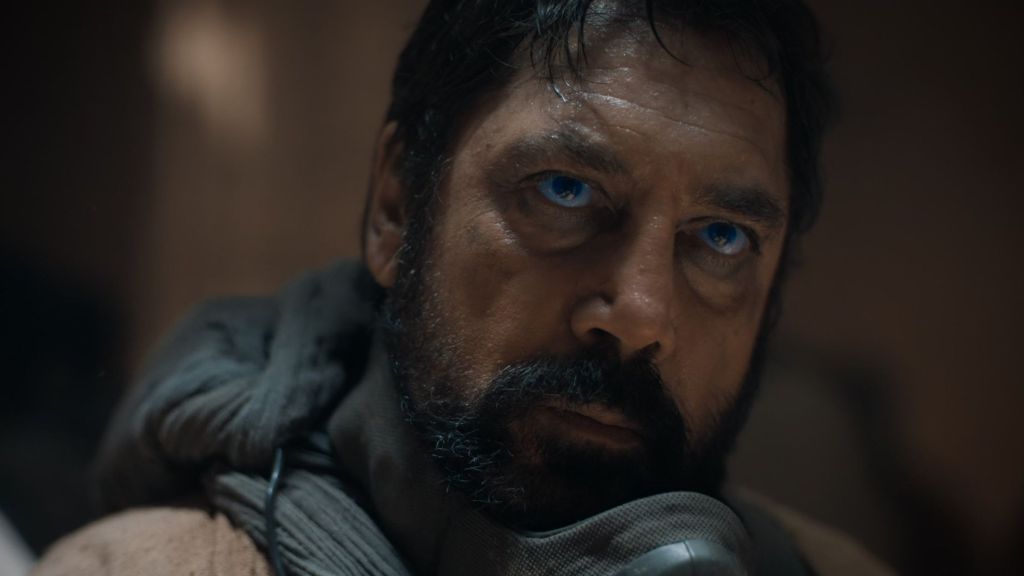
Anyone who watched Dune: Part Two saw how Stilgar became the comic relief because of how devoted he was to Paul. From the beginning, he gradually became the perfect example of what the saga wanted to portray: how a charismatic leader can have extremely loyal followers. By the end, he doesn’t need any more proof to believe the Lisan al-Gaib is standing right in front of him. However, this is a subtle change Villeneuve decided to make compared to the books, since originally, Stilgar is much more cautious and sees Paul as someone who could be useful to the Fremen, not simply as the messiah he has been waiting for. Of course, in the first installment, he’s still pretty close to his original characteristics, but technically, he should have continued that way as the story progressed.
And to be honest, it’s actually a pretty sensible choice considering the cinematic approach, since the director has said the intention was for the audience to love and sympathize with Stilgar — and the character’s humor and sincerity helped with that. In the books, he is religious, yes, but he isn’t someone who lets religion replace his judgment, so his loyalty to Paul comes from the respect Paul earns. On the screen, however, some of his intelligence and authority are reduced in favor of frequently reacting to anything the protagonist does as if he has just received some definitive confirmation of the prophecy.
4) Chani Never Leaves Paul
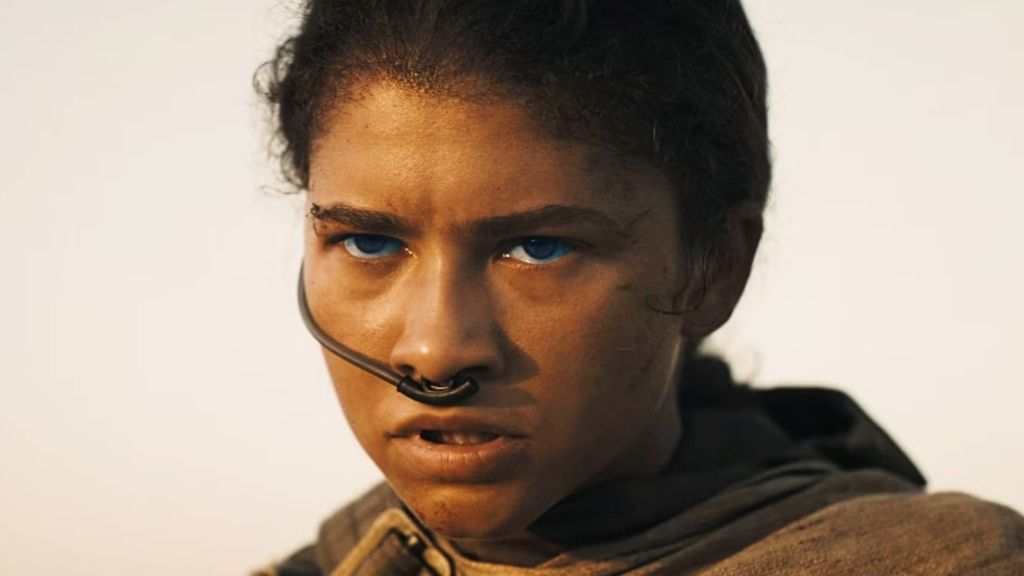
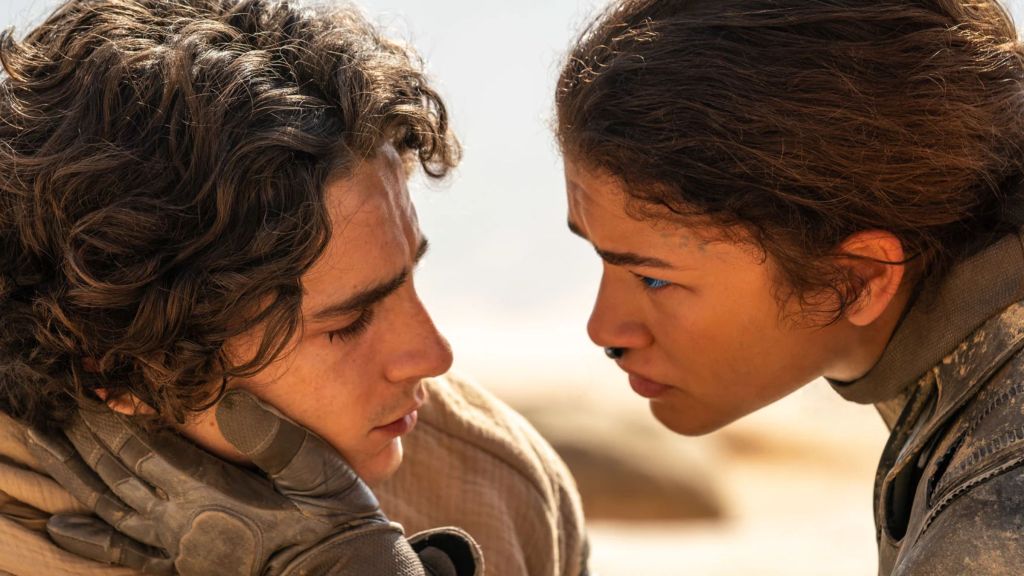
When thinking about Paul and Chani’s arc, many things were changed for the sake of the story’s overall structure, since literature is very different from film, and the movie just couldn’t fit in every single detail. Plus, Villeneuve has already confirmed that his idea was always to give the saga’s female characters more space, and that’s why in Part Two, Chani has a much more active role when she chooses not to believe in Paul as the Lisan al-Gaib so easily. Originally, the couple’s storyline isn’t nearly as tense, to the point that she never considers leaving him. So the ending of the second movie was a pretty radical change, but on the other hand, it could reinforce her relevance to Paul’s arc in Dune: Part Three.
We still don’t know how both characters will find their way back to each other, since it was made clear that the protagonist will marry Princess Irulan. In the original material, Chani stays by his side, becoming his concubine and fully understanding Paul’s reasons for marrying for political purposes, but this doesn’t give her much of a prominent role in the story, even though the ending of Dune Messiah puts her in a crucial position in Paul’s fate. In the franchise, by making her someone who pushes back against this kind of decision from him, it not only modernizes the story, but also gives her more importance, adds drama, and affects the protagonist psychologically — he got the throne, the revenge, and control of the Empire, but not the person who had been by his side before any of it began.
3) Paul and Chani Lose a Child
According to the trailer for the movie, we’ll see Paul and Chani having the twins Leto II and Ghanima, but only those who have read the original material will remember that before them, Chani gets pregnant and loses the baby. In the first book, there is a bigger time gap during Paul’s time with the Fremen, and she gives birth to what would be the couple’s first child. However, in the middle of the war, the baby ends up dying during a Sardaukar attack on a sietch, which adds another layer to the protagonist’s desire for revenge. In the movies, though, this part is completely cut to compress the timeline much more — practically everything happens over a much shorter period, and there isn’t time for this kind of storyline.
Every fan loves faithfulness in an adaptation, but the truth is that it’s pretty difficult to keep 100% of the story intact as it’s a different format. In this case, while it would have been really interesting to see how Paul would react to what happened, it was probably better to leave it out. Dune has a massive amount of material, and introducing a child just to kill them off later could have ended up feeling like an unnecessary complication in a plot that already has a lot going on. The goal, according to Villeneuve, was for Paul to be racing against time, and screenwriter Jon Spaihts added to that by saying, “the arrival and departure of that off-stage baby barely ruffles the waters of the novel itself, and really would’ve been a peculiar distraction in the film.”
2) Lady Jessica Was Accused of Betraying the Atreides

Dune is made up of several subplots, and Chani’s first pregnancy is one of them. But there’s another one that may be one of the best parts of reading the first book, and even though it was adapted, it was only briefly touched upon in the story. In the first film, we see that there is a spy within House Atreides, who is soon revealed to be Dr. Yueh, but it’s Lady Jessica who initially becomes the suspect based on a certain line of reasoning. Gurney firmly believes that she may have been the person who actually betrayed the family, to the point that he pulls a knife ready to kill her, but Paul shows up just in time to stop him. There’s no official explanation for why the franchise didn’t include this situation, but it’s possible to speculate.
This attempt to murder Jessica triggers a very important decision from the protagonist: drinking the Water of Life. In Part Two, he does exactly that, but the intention behind it makes all the difference. Originally, this happens out of pure desperation, given that Paul could have foreseen Gurney’s actions if his prescience had been stronger, but it was a very smart choice to change this and have the character decide to do it on his own, with the intention of fulfilling the prophecy surrounding the Lisan al-Gaib. Besides, if the movie had followed the book to the letter, it would have meant adding yet another investigation into the betrayal in the middle of a story that already had to deal with Paul, the Fremen, Feyd-Rautha, the Emperor, and the war against House Harkonnen.
1) Alia Is the One Who Kills the Baron
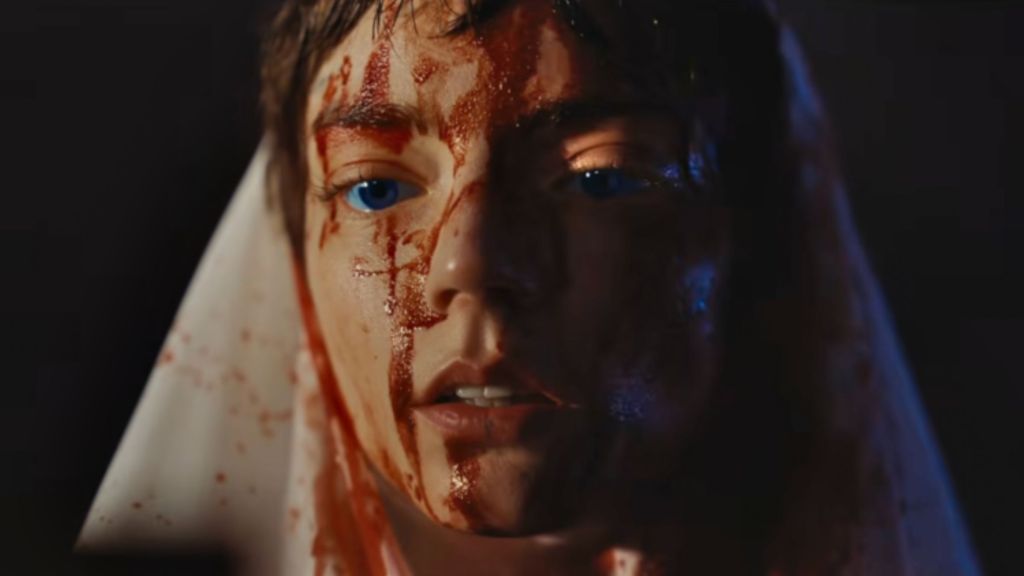
It was Villeneuve’s decision for Paul’s sister, Alia, to only be introduced in Part Three, when originally, she is already in the first book (and, therefore, should technically be in the second movie). Her arc is one of the biggest changes in the adaptation, not only because of the compressed timeline mentioned earlier, but also for creative reasons. She has a very significant role in the whole story despite still being a child, but according to Spaihts, there was some concern about introducing a kid who speaks fluently in Part Two, since it would be very difficult to pull off without becoming a distraction. So, the solution was to keep Alia in the womb and have her exist through her relationship with Jessica. But this ended up forcing one of her most important actions to be given to Paul instead.
In the second installment, Paul kills Baron Harkonnen, but in the original material, it is Alia, still a child, who kills him, revealing in the process that she is his granddaughter. It’s a pretty strange scene, but it also makes it clear that she’s not a normal character and there is something deeply distinct and disturbing about her (which will be explored in the upcoming film). Still, the change works really well within the cinematic version, especially because it gives Paul one more decisive action before he takes control of the Empire.
