


Articles
109 Years Ago Today, the Greatest Comic Book Artist of All Time Was Born
For nearly a hundred years, the comic book industry has been developing some of the most iconic and poignant characters and stories in modern fiction. Inarguably, the two biggest juggernauts of this industry are Marvel and DC Comics, which have touched the hearts of millions of people for generations across the globe. Naturally, many incredibly imaginative people have laid the foundations of the superhero genre and the comic industry. This includes genius writers like Stan Lee, Jerry Siegel, Alan Moore, and Grant Morrison, as well as visionary artists like Steve Ditko, Alex Ross, and Joe Shuster. However, on August 28th, 1917, the most important and influential comic book artist of all time was born: Jack Kirby.
Jack Kirby is an undisputed comic book legend, having rightfully earned the title of “The King.” His comics and characters have helped shape the entire industry and remain fundamental parts of Marvel and DC’s universes. Born to Jewish immigrants as Jacob Kurtzberg, Kirby grew up in a rough part of New York City. Having grown up with a love of drawing and comic strips, Kirby quickly set about revolutionizing the industry. As it’s now the 109th birthday of the King, it’s time to celebrate the tremendous legacy that he’s left to the world.
Jack Kirby Forever Changed Comics
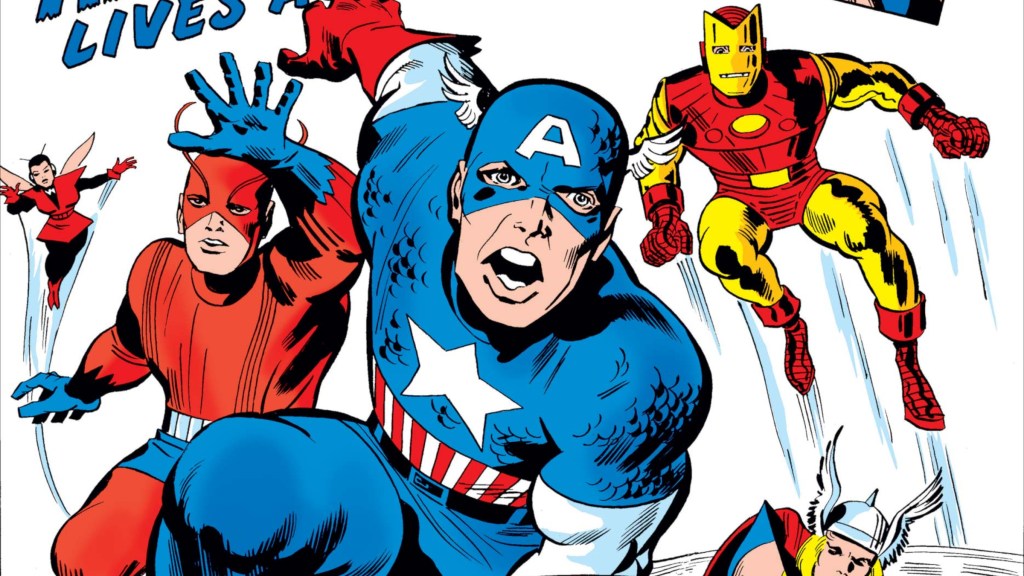
From the very beginning, Kirby was a revolutionary artist and comic book creator. Kirby got his start in the comics with the Lincoln Newspaper Syndicate before going on to work on Wild Boy Magazine and Jumbo Comics. Kirby first made a name for himself when he teamed up with Joe Simon at Timely Comics, the predecessor of Marvel, and created one of the greatest comic book characters in history: Captain America. Kirby and Simon also were employed by DC’s predecessor, National Comics Publications, to work on Sandman and Manhunter, before going to Prize Comics to help invent the romance comics genre with the Young Romance series. Of course, creating an American pop culture icon and inventing a new genre was only the tip of Kirby’s creative genius and influence.
During the 1960s, when Marvel Comics was on the verge of bankruptcy, Kirby worked with legendary writer, editor, and publisher Stan Lee not only to save Marvel but also to turn it into one of the most successful comic companies in history. Together, the pair crafted a superhero team that defied all norms: the Fantastic Four. With their human flaws, Marvel’s First Family revolutionized the superhero genre. Kirby’s work didn’t stop there, as he provided the art and ideas for characters and stories for many other Marvel icons. Heroes like the X-Men, the Hulk, Thor, and the Avengers, along with menacing villains like Doctor Doom and Magneto, were all given life through Kirby’s incredible illustrations. Kirby helped craft an intricate universe full of heroes, monsters, and cosmic adventures.
After disputes over creative differences and payment, Kirby left Marvel in the early 1970s and brought his talent to DC Comics. Here, Kirby’s fascination with mythology and science fiction flourished to even greater heights with the creation of the New Gods. On top of developing heroes like Orion and Mr. Miracle and an entirely new cosmology that’s still a cornerstone of DC Comics, Kirby created the ultimate big bad of DC – Darkseid. Darkseid stands as one of the greatest comic villains in history, known for his infinite power and cruelty. Additionally, Kirby’s time at DC saw him becoming more experimental with the creation of the demon Etrigan and the post-apocalyptic hero Kamandi. Although he only spent four years at DC before returning to Marvel, Kirby made a lasting impact.
Upon his return to Marvel, Kirby continued working as a writer and artist, during which he developed incredible yet underrated characters such as the cosmic Eternals, the prehistoric Moon Boy and Devil Dinosaur, and the mechanical Machine Man. With decades of hard work, Kirby became an integral part of Marvel and DC’s expansive cosmologies, providing both grounded, relatable characters and out-of-this-world cosmic and mythical tales.
The Lasting Legacy of the King of Comics
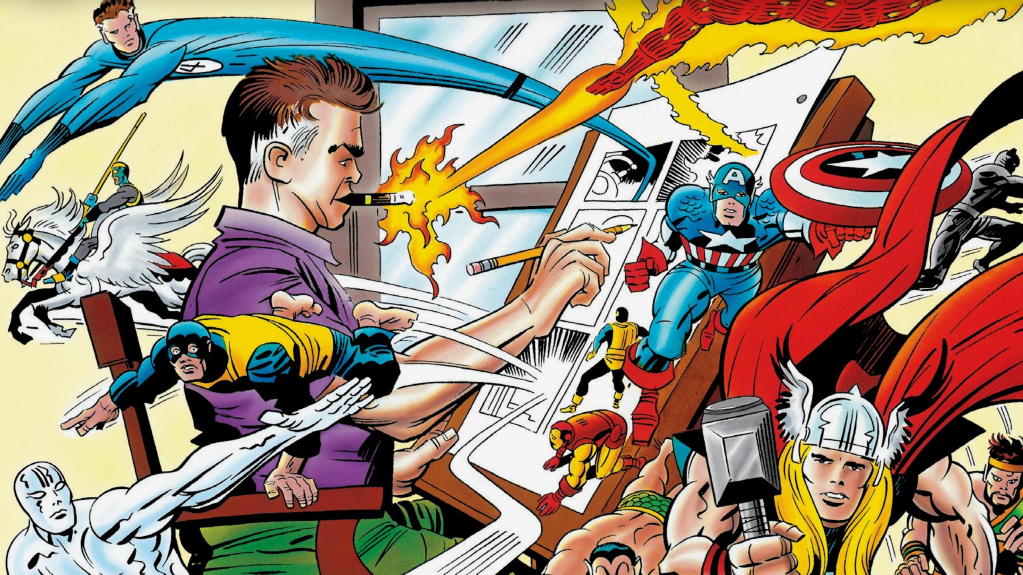
Jack Kirby is undeniably a creative genius who’s responsible for giving countless readers a plethora of memorable characters and stories, evident as far back as the release of Captain America Comics #1 in 1940, as well as in nearly every illustration he made for both Marvel and DC. However, his influence goes far beyond what many people would expect.
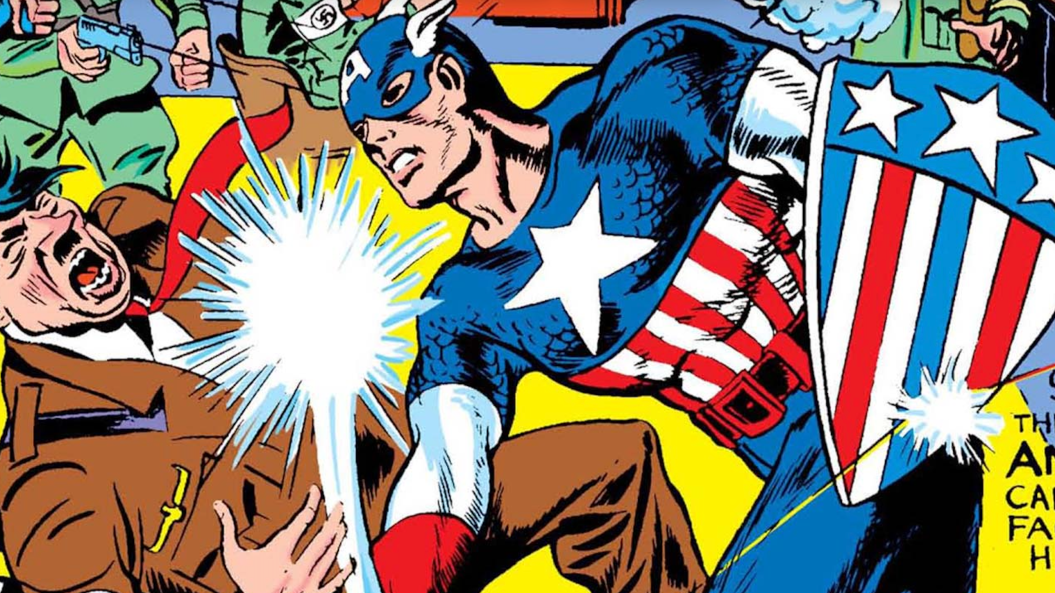
As a Jew, Kirby recognized the evils of the Nazi regime even if the majority of America refused to acknowledge them or, even some, supported them. With America refusing to enter World War II, Kirby and Simon issued an unforgettable call to arms. Famously, Captain America Comics #1 featured the First Avenger punching Adolf Hitler in the face. Alongside Superman, Captain America was one of the first overtly political superheroes in comics and inspired many people to fight the Axis Powers. Kirby didn’t stop there; characters like the Fantastic Four, Hulk, and Kamandi were created to personify American anxieties about the Space Race and the Cold War. Kirby helped show that superheroes could convey important sociopolitical messages through their stories, a notion comic writers and artists still practice today.
In addition to providing narrative milestones that forever changed the cultural impact of superheroes, Kirby’s art style and method of visual storytelling can be felt decades later. Kirby was always looking to push the boundaries of what could be presented in a comic book, with incredibly dynamic poses, layouts, and character expressions. Kirby also worked with Stan Lee to develop the “Marvel Method” of storytelling, evident as far back as Fantastic Four #1. This involved Lee giving Kirby a non-specific synopsis and near-complete control of visual pacing, action, and story beats. Once the illustrations were complete, Lee added dialogue and narration. This method would have never kicked off if not for Kirby’s incredible skill with the pencil.
Jack Kirby was a creative genius who broke conventions and did not allow societal or corporate restrictions to hold back his imaginative spirit. He has inspired countless generations with his relatable yet larger-than-life characters, gripping tales full of political and philosophical commentary, and artwork that felt like it was leaping off the page. Even after seeing and experiencing great hardship, Jack Kirby’s work helped to show people what it means to be a true hero and how we must let our creativity soar.
