


Articles
9 Years Ago, Netflix Released an Anime Adaptation That Got Bashed By Fans and Critics, Despite a God-Level Casting Choice
Hollywood keeps making the same mistakes when it adapts Japanese anime for American audiences. First, big studios cast recognizable stars in roles built around a specific ethnic identity, hoping spectacle distracts from the gap. Then, they try to dumb down a complex mythology and expansive world, sometimes daring to fit full seasons into a feature-lenght runtime. Fox famously failed by casting Justin Chatwin as Goku in Dragonball Evolution, while simultaneously reducing Akira Toriyama’s manga to a generic chosen-one plot. Paramount had its own infamous misfire after casting Scarlett Johansson as Motoko Kusanagi in Ghost in the Shell, a bad decision compounded by the movie ignoring the philosophical depths of the original. Netflix joined this club nine years ago, with an adaptation so bad everyone remembers it for the wrong reasons.
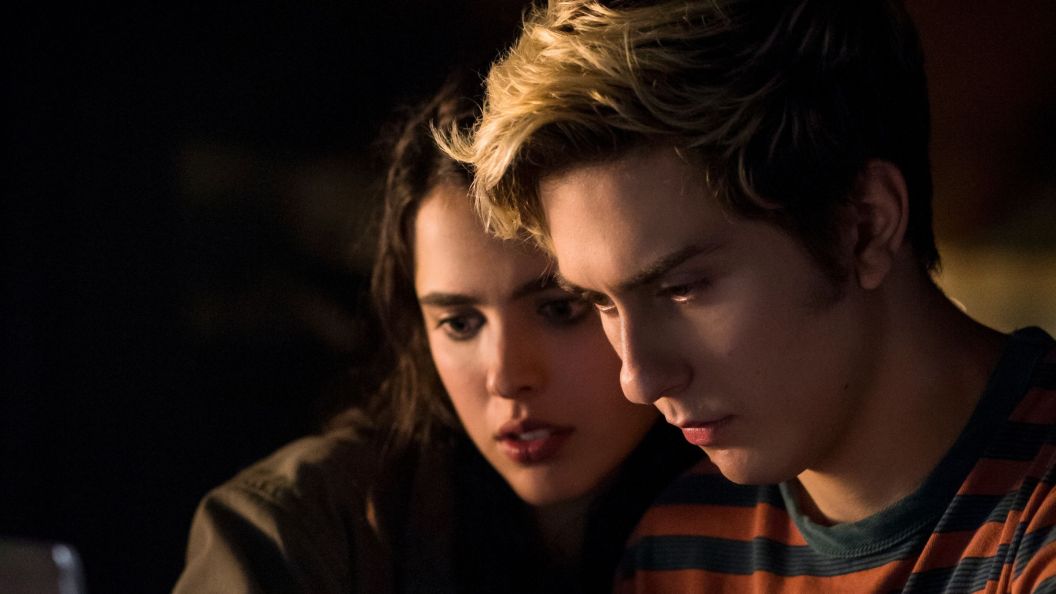
Death Note premiered on Netflix on August 24, 2017. Directed by Adam Wingard, the movie adapted Tsugumi Ohba and Takeshi Obata’s manga into a supernatural thriller relocated from Japan to Seattle. Just like in the manga and its famous anime adaptation, the story followed Light Turner (Nat Wolff), a high school student who discovers a notebook capable of killing anyone whose name is written in its pages, while the detective known only as L (LaKeith Stanfield) investigated the resulting deaths. Mia Sutton (Margaret Qualley) served as Light’s girlfriend and accomplice, while Ryuk (voiced by Willem Dafoe), the death god who dropped the notebook onto Earth, guided Light as he embraced the dark powers of the notebook. While on the surface the movie told the same story, reception was overwhelmingly negative. Death Note holds a 36% on Rotten Tomatoes with an even worse audience score of measly 26%.
Why Netflix’s Death Note Failed Despite Willem Dafoe’s Perfect Casting
Beyond a whitewashed cast, Netflix’s Death Note abandoned the psychological duel between Light and L that was the main draw of the source material. Ohba and Obata’s manga spans twelve volumes, building Light’s transformation from honor-roll student to self-appointed god through a slow accumulation of murders, lies, false leads, and his pathological need to prove himself smarter than L. Wingard’s film compresses the whole story into a single feature, forcing Light Turner to fall for Mia Sutton, kill dozens of people, and outwit an international manhunt inside one school year. In the manga, Light also chooses to use the notebook out of conviction, with his twisted beliefs driving every decision he makes across twelve volumes. Turner instead gets goaded into using it by Mia within the film’s opening act, a rewrite that fundamentally misunderstands the character, now motivated by a romantic interest instead of his own ego. As a result, instead of two intellects matching wits over ideology, Light and L are connected by a standard criminal investigation.
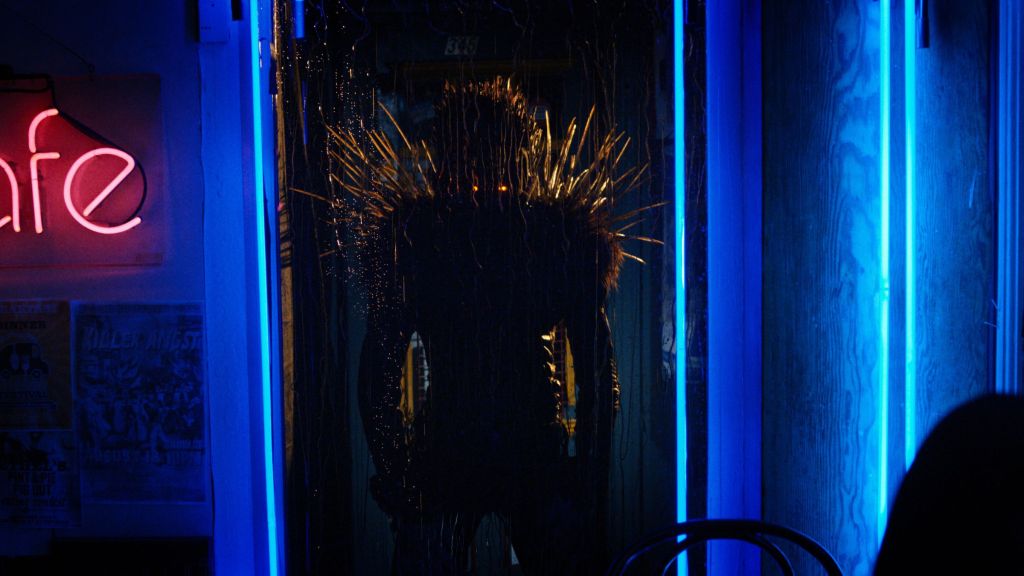
Not everything is bad in Netflix’s Death Note. While the script is awful, Wingard is a talented director with a talent for making eye-popping images, something he also proves in Godzilla vs. Kong. Plus, in the months leading up to the movie’s release, everyone was excited to see Dafoe take on Ryuk. The star’s large smile and penchant for playing theatrical characters made him seem like the perfect fit, and people were actually excited to watch Death Note only to see Dafoe. Sadly, despite Dafoe’s best efforts, even his talent was derailed by the movie’s creative choices. The decision to make Ryuk fully digital was already a waste, but the shinigami was also performed on set by Jason Liles, a seven-foot actor who handled the character’s physical movement and line delivery during filming. Dafoe recorded the character’s voice and a separate facial motion-capture session afterward. He can still use his iconic laughs, but Dafoe’s limited presence in the film throws away a god-level casting.
Netflix Is Getting Better at Adapting Anime to Live-Action
Netflix’s Death Note was not an isolated misstep for the company. Four years later, the streamer’s live-action Cowboy Bebop adapted Shinichiro Watanabe’s 1998 anime, with original composer Yoko Kanno returning to score the series, and John Cho, Mustafa Shakir, Daniella Pineda, Alex Hassell, and Elena Satine leading a diverse cast that echoed the original work. Despite having everything to create a good adaptation, Netflix’s ten-episode Cowboy Bebop creates new relationships between characters and writes completely different plotlines, ignoring what made the cast tick. The reason was that Cowboy Bebop is a contained miniseries, and Netflix wanted an excuse to have a multi-season epic. Original director Shinichirō Watanabe later said the adaptation “was clearly not Cowboy Bebop,” a sentiment shared by fans.
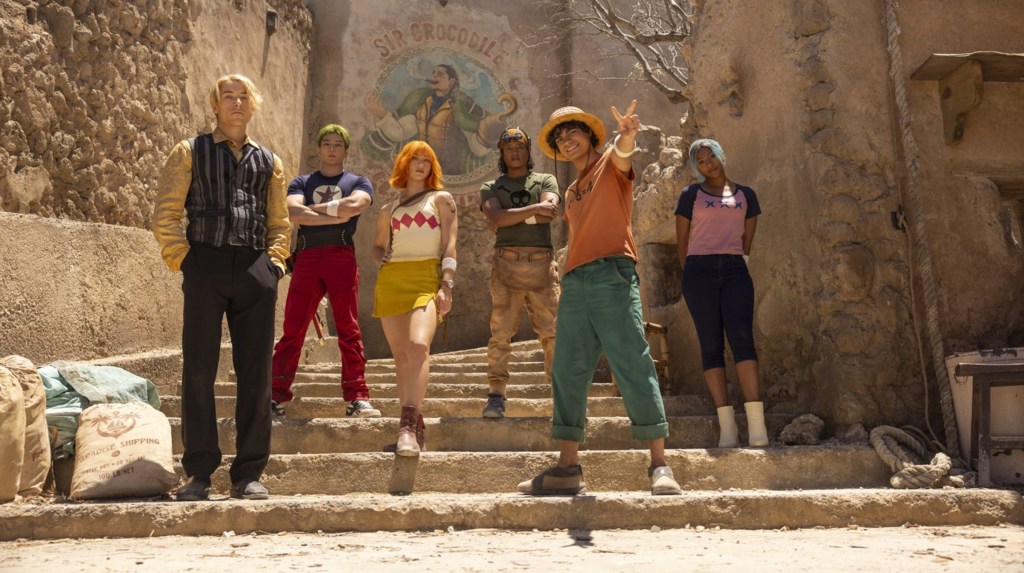
More recently, Netflix is getting better at finding ways to make good adaptations. One Piece‘s first season adapted the East Blue Saga across eight episodes, keeping the story in its original order and ending at a natural pause point within that saga. That happened because manga creator Eiichiro Oda consulted directly on the adaptation. While not originally an anime, just an animated series inspired by Asian culture, Avatar: The Last Airbender followed the same instinct. Netflix structured the series around three seasons mapped to the original’s three books instead of compressing the entire show into a single film the way M. Night Shyamalan’s 2010 adaptation did. Both shows treated the source material’s own pacing as a blueprint, something the Death Note movie completely ignored. Hopefully Netflix will keep that in mind in future adaptations.
