


Articles
4 TV Shows That Didn’t Understand Their Own Characters (But We Love Them Anyway)
It’s pretty rare to find a show that’s completely perfect in every way from beginning to end, especially when we’re talking about adaptations. So, sometimes, a series can get a few things wrong, but still work for a lot of people — a bad season, an arc that doesn’t land, or even a disappointing finale doesn’t necessarily erase years of great episodes. On the other hand, the problem gets much bigger when the mistake happens with someone who should be one of the show’s major strengths. Occasionally, a TV production spends several seasons building up a character’s personality and then makes a decision that simply doesn’t fit who they are.
When that kind of thing happens, you can tell the show didn’t fully understand the strong figure it had on its hands. So, this list looks at some of those cases where, no matter how much time goes by, we’re still going to love these characters (and the shows), but there’s no denying they could have been developed much better overall.
4) The Walking Dead (Carl Grimes)
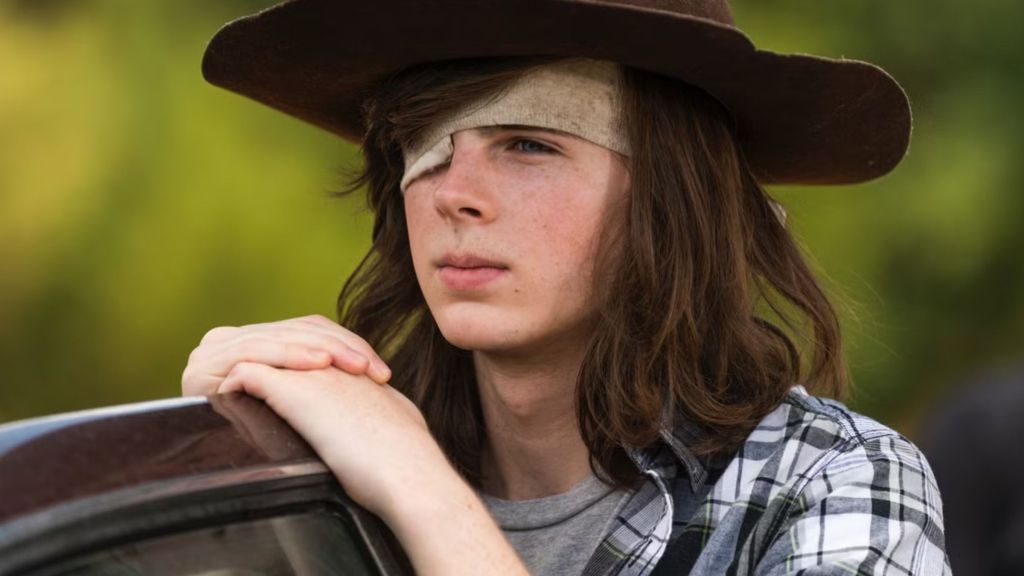
The Walking Dead was a landmark TV show, spawning spin-offs and building a massive fanbase. And over the course of 11 seasons, there were several characters. However, one of them feels like he was completely wasted, with an arc being built up for a very long time to finally reach a major turning point. Did that moment happen? Yes, but then the show killed the character in a way that didn’t make much sense. Carl started out as a kid who had to learn how to survive by watching the adults around him do violent things, but eventually, he started questioning whether that was really the only way to live. By Season 8, for example, he was already starting to convince Rick that the group needed to stop thinking only about war and revenge.
Carl dies, which was supposed to be the big push for Rick to change his ways, but maybe it would have made more sense for The Walking Dead to let him survive and become the person who actually built the world he was trying to convince his father to fight for. In the end, his ideas are turned into a message that other characters have to carry for him. So, what it feels like is that the show understood Carl’s role, but didn’t get what made him a character with so much potential. He never needed to die to prove he had grown up, because the interesting part was finding out what he would become afterward (just like in the comics, even though the series chose not to follow the original material faithfully). Some behind-the-scenes rumors may have influenced the character’s fate as well, but still.
3) The Witcher (Geralt of Rivia)
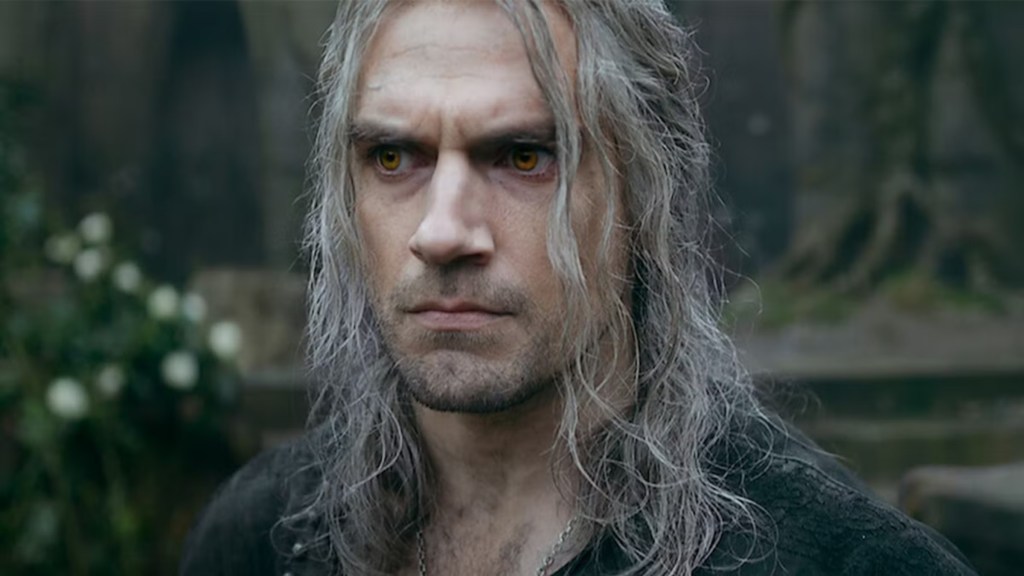
When it comes to characters in The Witcher, we inevitably think of Geralt, even though, starting with Season 4, Ciri has taken over as the protagonist. And despite the recasting, with Henry Cavill being replaced by Liam Hemsworth, it’s Cavill who looks like he stepped straight out of the games. However, when you look specifically at the actual source material, you can see how much he was changed, and this was even acknowledged by showrunner Lauren Schmidt Hissrich. The witcher’s appearance and a handful of grunts aren’t enough to capture his personality, since Geralt is quiet when he needs to be, but he is far from a man of few words: he is sarcastic, intelligent, argumentative, and spends a lot of time discussing politics, morality, and contradictions.
In the series, on the other hand, he is often put in the position of basically just watching what’s happening, keeping his thoughts to himself, giving a short line, and then reaching for his sword. And the truth is that this always worked thanks to Cavill, who knew Geralt inside and out and was enough of a fan to keep him complex in that way. But eventually, we realize that we’re watching a very simplified version of The Witcher‘s character, which causes him to lose some of the qualities that made him more engaging than the typical monster hunter, such as the fact that he’s intelligent because he understands there is rarely a simple answer to the problems of that universe. The show understood very well what Geralt should look like, but it didn’t understand why he is a good character.
2) Game of Thrones (Daenerys Targaryen)
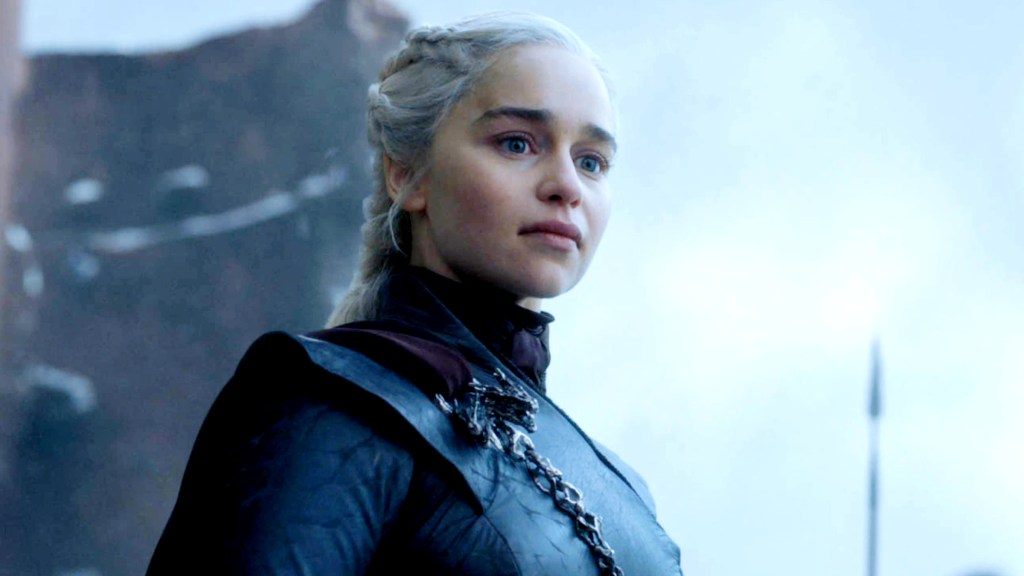
The ending of Game of Thrones is reason enough for it to fit on this list. Daenerys basically became the biggest example of a series that had a good idea for a character’s ending and simply didn’t have the patience to get there. Turning her into the Mad Queen was never necessarily a mistake, because, based on the previous seasons, there are several moments where she shows a dangerous relationship with power, justice, and violence. Daenerys starts believing her own judgment is morally superior, and those aspects of her personality were developed little by little, until the series treated them almost like a checklist of evidence that she was always destined to burn King’s Landing.
Things could have led to an excellent tragedy since nobody needed her to remain a hero, but it just needed to clearly show why she stopped being that person. When Daenerys destroys the city in the series finale, the show pretty much skips that step and expects fans to accept that all of her losses (Jorah, Missandei, Viserion, the trust in her allies, and discovering her true lineage) were enough to cause such an extreme change — and that is one of the worst decisions. There is a difference between planting signs that she could become a tyrant and actually developing that transformation. Daenerys’ arc was probably the final straw that made everyone never forget just how badly Game of Thrones fell apart.
1) The Rings of Power (Galadriel)

The Lord of the Rings: The Rings of Power isn’t exactly loved by some J. R. R. Tolkien fans, and Galadriel is one of the main examples of that. Overall, the production takes creative liberties for a few reasons, including not having the rights to some important works for the story, but when it comes to the protagonist, it’s hard to defend. The idea was always to show her as young, proud, impulsive, and much more willing to fight, which honestly isn’t that absurd, since we’re talking about a character who originally has a much longer and more complicated history than what we saw in The Lord of the Rings. The problem is the series seems so focused on her obsession with finding Sauron that almost everything else gets pushed into the background.
Galadriel spends much of the story making questionable decisions, ignoring the people around her, and failing to notice things that, considering the character she will become, should really stand out. The goal was for her not to be wise yet, so she could actually have the character development, but the execution makes you spend a lot of time thinking she should just listen to someone for five minutes. You can see that The Rings of Power wants Galadriel’s obsession to be a flaw she needs to overcome, but it feels like the script forgets that it should be showing how this woman becomes the Galadriel we know, rather than just showing a stubborn character who will learn a few lessons. She’s still good to follow, but sometimes you can’t help thinking she could start showing a little more wisdom, presence, and perception.
