


Articles
5 Things That Happen in Every Godzilla Movie (And Some Fans Don’t Want to Admit #1)
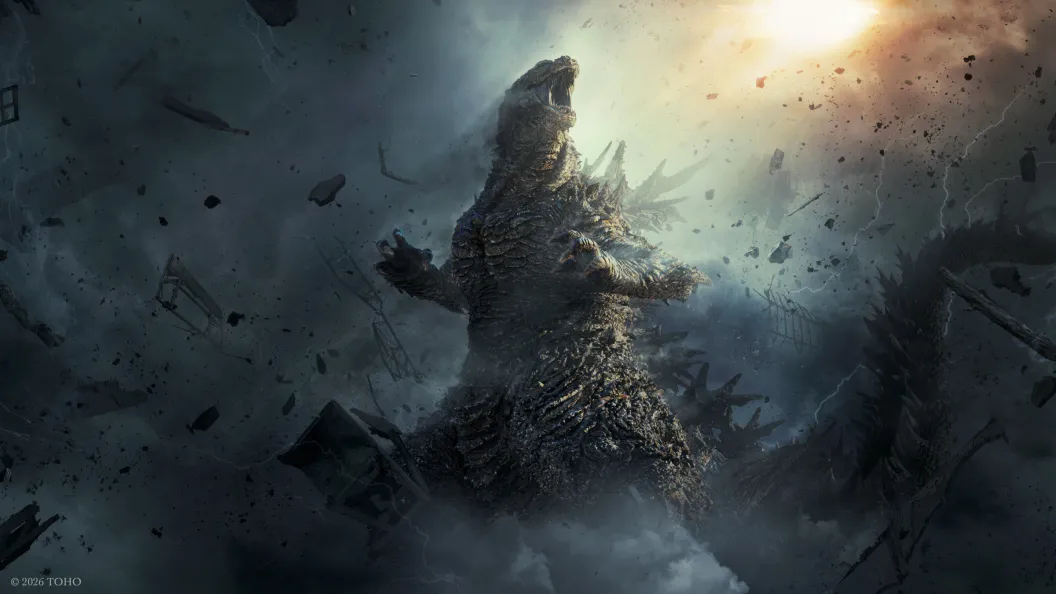
Since his feature film debut in 1954, Godzilla has not only become the most iconic big-screen monster of all time but also one of the most malleable characters to grace the silver screen. In his more than seventy-year history, Godzilla has been reworked and redefined in a variety of different ways. One film might have the kaiju be the protector of Earth and savior of mankind, while another might instead turn him into a scourge that is eager for nothing but wanton destruction. Even still, another film might make Godzilla a concerned parent for his own child with nary a thought for what any human on Earth is even doing.
In his nearly forty years of feature films that feature Godzilla, the variety and tonal disparity are wide across the many titles. That said, even though almost every filmmaker who brings the character to life has a different idea of how to accomplish this, there are a handful of elements and details that almost always find their way into a Godzilla movie, and some of them are even present in all of them. Once you see the pattern, though, you won’t be able to unsee it, but the best part about these recurring motifs in Godzilla movies is that it doesn’t matter that they’re always there; what matters is how they’re executed.
5) Somehow Godzilla Returned
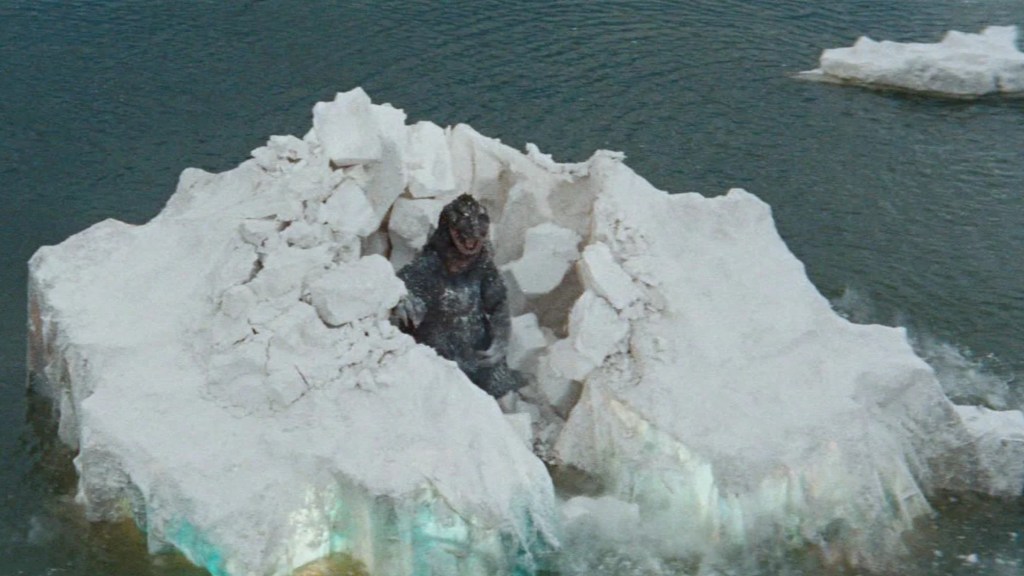
At the end of 1954’s Gojira, Dr. Daisuke Serizawa successfully defeats the beast with his Oxygen Destroyer technology, rendering the water he’s sleeping in unbreathable and turning him into a pile of bones at the bottom of the ocean. Naturally, the success of the film meant that a sequel had to be put together, with the biggest problem being….that Godzilla died in the last movie.
No matter how many times this little hiccup occurs, the next film always figures out a way to make sure that Godzilla is back and in prime fighting form. The first time that they had to figure out this problem, it was explained in a matter-of-fact way, with the characters in 1955’s Godzilla Raids Again simply shrugging and saying that this must just be another Godzilla.
Decades later in 1995’s Godzilla vs. Destoroyah, the death of the titular kaiju was even part of the plot, as the film revealed the atomic structure of his DNA was leading to his internal temperature rising and potentially setting him up to literally explode. When this comes to pass in the closing minutes of the movie, though, the radiation that erupts from Godzilla’s body is absorbed by his son, transforming him into the next iteration.
4) There’s Always Another Threat
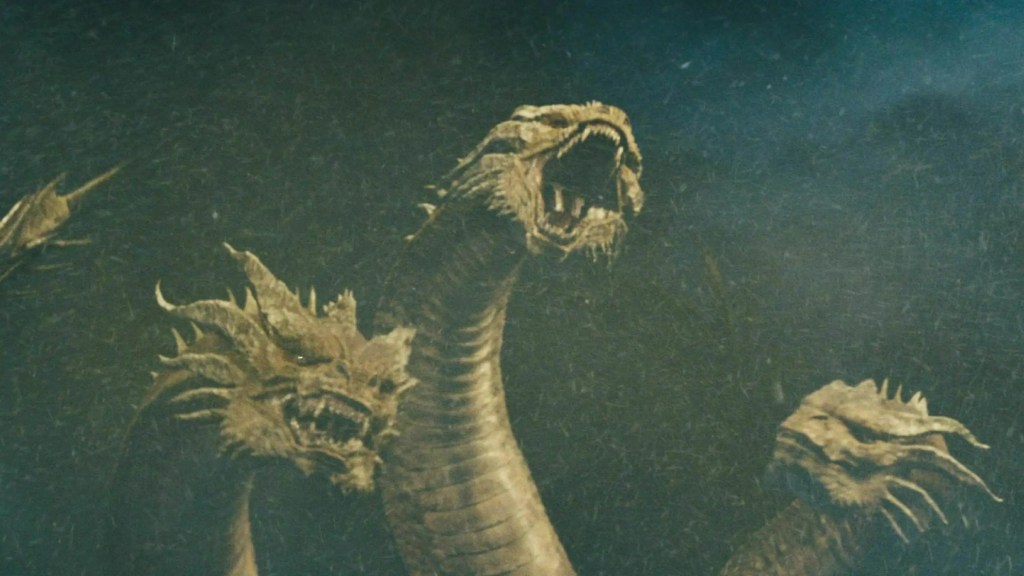
As the mythology of Godzilla evolved, it demanded the kaiju do more than just face off against tanks and jets, with almost every new movie in the series delivering a fresh monster for him to either fight or befriend. Godzilla Raids Again contributed to this, of course, by being the first sequel but also delivering the first monster for the series that wasn’t the titular king of the monsters, giving us Anguirus.
Each movie that followed would always bring in at least one new monster, sometimes crossing over another kaiju that had already starred in their own movie, and sometimes a wholly original one. Even for the films that didn’t deliver a new kaiju, like 1965’s Invasion of Astro-Monster, it still brought the terrifying alien race the Xiliens into the fold. In fact, it’s really not until the late ’90s, with the first American remake and then Toho’s Godzilla, Mothra and King Ghidorah: Giant Monsters All-Out Attack in 2001, that a new threat of some kind doesn’t appear in the film alongside Godzilla. The trend immediately picked back up, though, and shows no signs of stopping (thanks to the toy market, of course).
3) The First Plan Will Always Go Poorly
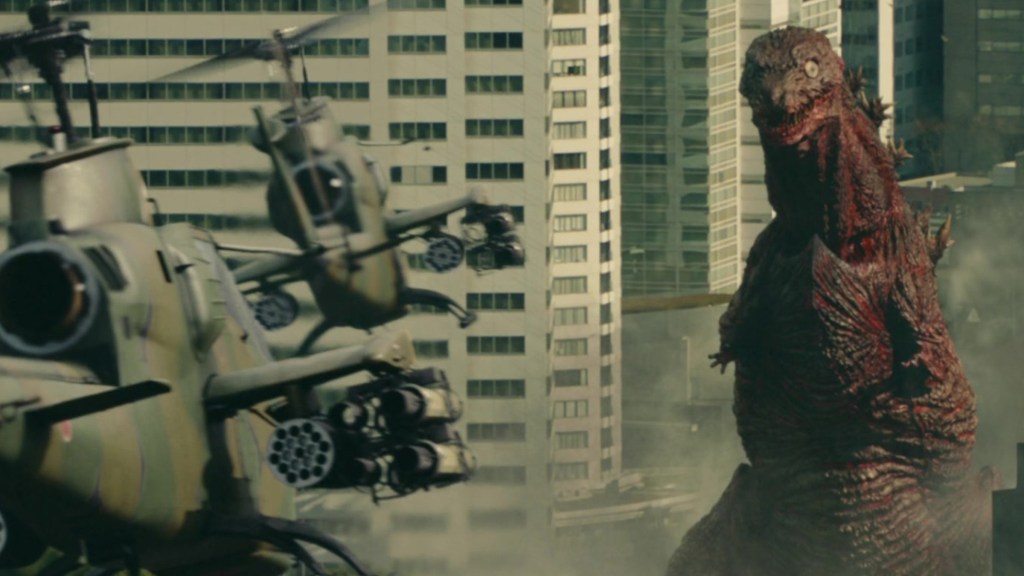
The threat of Godzilla, whether in the context of the movie making him a brand new beast in the world or a lingering menace for the government, always triggers an immediate response by the military. A guarantee, though, is that any kind of first encounter with Godzilla will not go the way anyone is planning for it to go.
Shin Godzilla has one of the funniest instances of this in the franchise’s history, even providing a subversion of audience expectations, as some attack helicopters go after the early form of Godzilla, only to be thwarted when civilians enter the line of fire and the monster makes a break for the ocean and escapes.
Even Godzilla Minus One has a twist on this, showing the first encounter with Godzilla on Odo Island before he’s been fully transformed by nuclear energy. In that scene, he fully chows down on a platoon of soldiers, and nothing can stop him (thanks in part to Kōichi failing to act). All this sets the stage for the rest of the movie, but continues the trend of the first plan against Godzilla going nowhere.
2) A Major Landmark Is Going Down
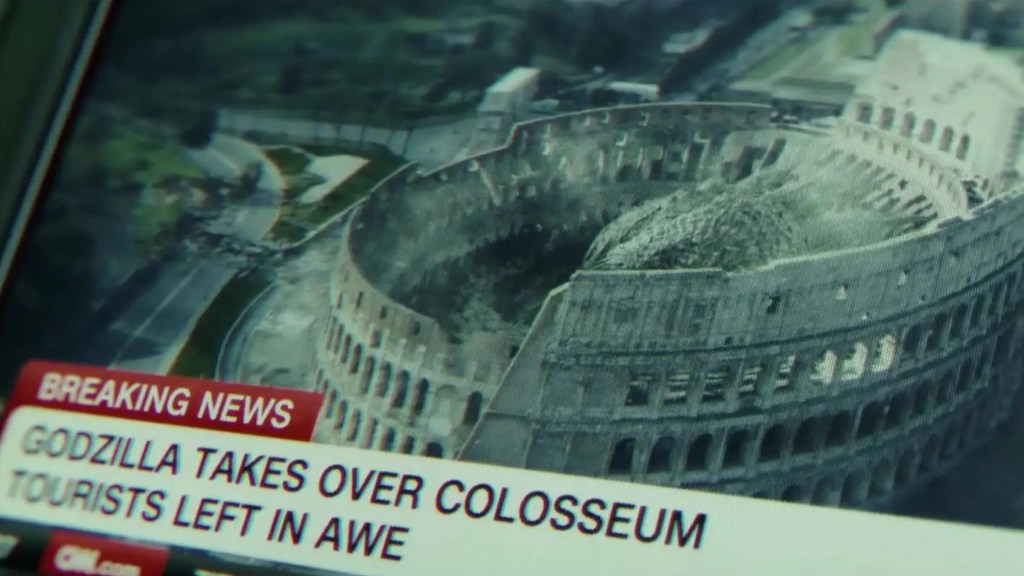
Godzilla destroying major landmarks has been a hallmark of the franchise since the very first film, which had a drastically different reason for doing it. As fans know, Ishiro Honda’s original Gojira was initially a meditation on the effects of nuclear arms in World War II, meaning the destruction of major buildings like the Ginza Wako clock tower was part of the film’s dramatization of the bombs.
As the movies continued, though, making sure that major landmarks appeared had more to do with giving a sense of scale for the kaiju destruction as well as bringing the story worldwide. The result means that Godzilla has not only destroyed the United Nations Headquarters but the Golden Gate Bridge and even more locations in Tokyo.
It’s hard not to believe that this detail of the Godzilla franchise was the entire reason that the American remake from Sony’s Tri-Star and director Roland Emmerich even got made. In that film alone, the Chrysler Building, Flatiron Building, and Madison Square Garden are destroyed (though, notably, by the military and not Godzilla), with the big lizard himself mostly just stomping through the city and crashing a hole in the MetLife building.
1) The Humans Are the Main Characters
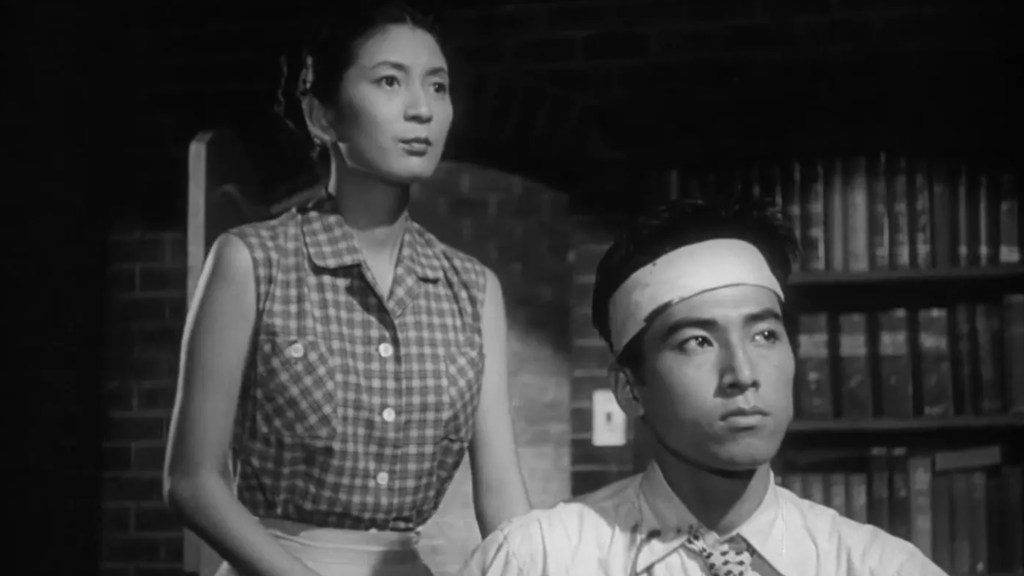
The title may always have “Godzilla” in it, and watching the giant monster cause all the destruction that he does on a major scale might be one of the primary selling points, but he has never been the one with the most screen time. Of course, it’s true that Godzilla is the central focus of the larger narrative of any movie in the entire franchise, but he’s simply not the main character in any of them.
The reason for this in the early days was cost. Filming the miniature sets, creating the special effects, and putting a guy in a monster suit was expensive, while filming regular actors having dialogue on a set was much cheaper and could actually advance the plot.
Even as the films themselves build toward a big third-act battle where Godzilla takes the spotlight, it’s because the heavy lifting of the story has been shouldered by the humans who can actually speak on camera. This has been true about Godzilla since the very first movie, was true for 2014’s Legendary reboot, and will almost certainly be the case for Godzilla Minus Zero this November.
