


Articles
In Theaters 28 Years Ago, Wesley Snipes Made Blade a Hit, And Marvel Still Can’t Bring Him Back
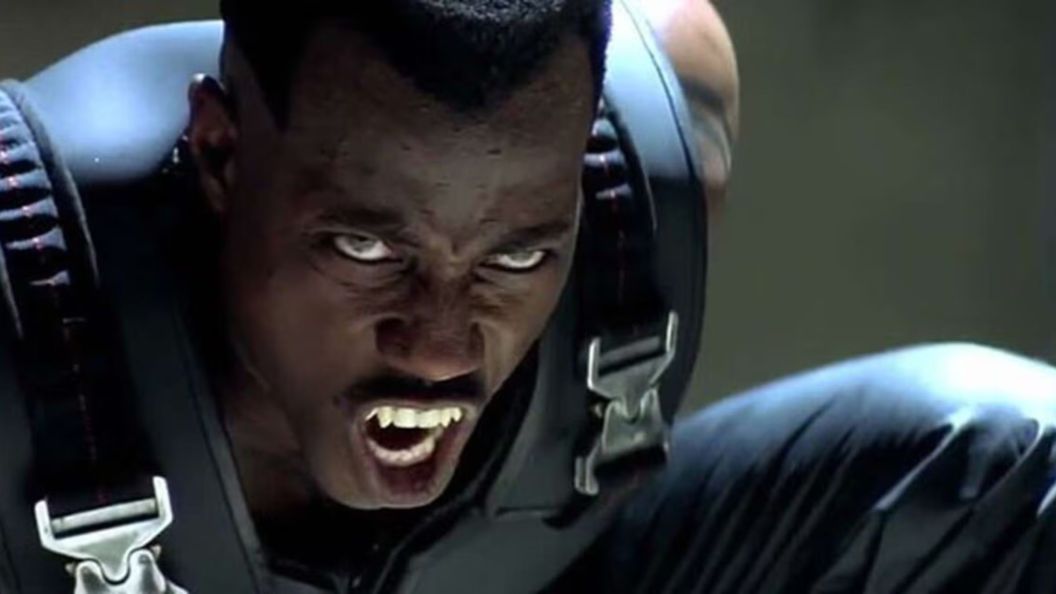
On August 21, 1998, Wesley Snipes walked into theaters as half-vampire hunter Eric Brooks and gave Marvel its first genuine box office hit ever. Directed by Stephen Norrington from a script by David S. Goyer, Blade pitted the titular hero against Deacon Frost (Stephen Dorff), a power-hungry vampire scheming to summon an ancient blood god. In addition to his supernatural abilities, Blade counted on his mentor Whistler (Kris Kristofferson), who supplied the weapons and fighting lessons, while also giving Eric a moral code. The film leaned into leather trench coats, katana blades, and a techno-driven soundtrack instead of primary-color spandex, trading spectacle for style and grit. That gamble paid off, as Blade opened at first place, dethroning Saving Private Ryan, and held the top spot for two consecutive weekends. Decades later, the film still has a cult following built on Snipes’ performance and a unique approach to Marvel that no other adaptation came close to copying.
Blade arrived during one of the bleakest stretches in Marvel’s corporate history. The publisher had filed for Chapter 11 bankruptcy in December 1996, sold off the film rights to Spider-Man and the X-Men for a fraction of their eventual value, and accepted a flat licensing fee of just $25,000 for Blade himself. Superhero cinema was also fragilized after Batman & Robin had grossed only $238 million worldwide against a production budget north of $125 million a year earlier, following a critical disaster severe enough to freeze the cinematic Batman franchise for eight years. As for Marvel, the company’s only theatrical release in the US, 1986’s Howard the Duck, lost so much money that the brand had become toxic. By every measure, adapting an obscure vampire hunter with an R rating looked like the perfect recipe for failure. Instead, Blade earned $131.2 million worldwide against a $45 million budget, becoming the unlikely proof of concept that Marvel movies still had a future.
Blade is the True Grandfather of the MCU
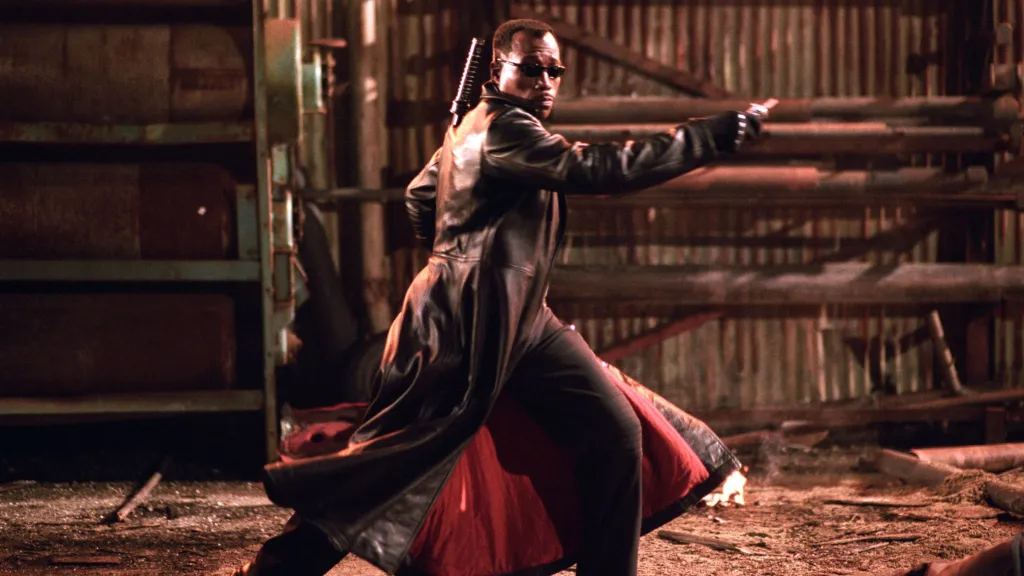
Marvel’s licensing strategy after 1996 treated its characters as assets to sell off rather than properties worth building around, a mindset the company wouldn’t change until 2008’s Iron Man and the beginning of the Marvel Cinematic Universe. Of course, the X-Men franchise that began in 2000 and Sam Raimi’s Spider-Man trilogy starting in 2002 helped prove the value of Marvel characters, but those already were the company’s heaviest hitters. Blade turned into a hit with a character who had never appeared on screen and was unrecognized outside comic shops. It went further to become a trilogy, with Blade II in 2002 and Blade: Trinity in 2004 pushing the franchise’s combined worldwide gross past $418 million. Since Marvel lacked its most valuable assets by the time it decided to make movies, Blade was the best example of how to approach the task.
Blade was also the first Marvel movie to depict a Black lead, something that would only happen with 2018 Black Panther. It was also the first R-rated Marvel project to reach theaters in the US, since The Punisher with Dolph Lundgren went direct to video there. Finally, Blade was so revolutionary that it ended up changing comic book history. The film’s concept of the Daywalker, a being immune to every vampire weakness except bloodlust, was a Goyer invention nowhere in Marv Wolfman and Gene Colan’s original comics. Yet, it turned up in Blade’s guest spot in Peter Parker: Spider-Man #7-8 just a year after the movie opened. Given the hero’s influence and legacy, the MCU should have introduced Blade already. Unfortunately, that’s not happening anytime soon.
It’s Disgraceful That the MCU Still Doesn’t Have a Blade
Marvel Studios announced Mahershala Ali as Blade at San Diego Comic-Con in 2019, seven years ago, and the character is still no closer to getting a movie. The new Blade project cycled through at least three directors, more than five credited writers, and multiple release dates before Marvel quietly pulled it from its release calendar in 2024. Ali finally addressed the fallout in a recent interview, confirming in blunt terms that he was done waiting. “If they wanted to do it, we would’ve done it,” he said, placing the blame on the studio. Ali trained for over a year and reworked his own creative plans around the role, so I would say his frustration is earned. Feige also confessed he felt like a “gigantic loser and failure” for never getting the Blade movie off the ground, confirming Marvel Studios is at fault in the process.
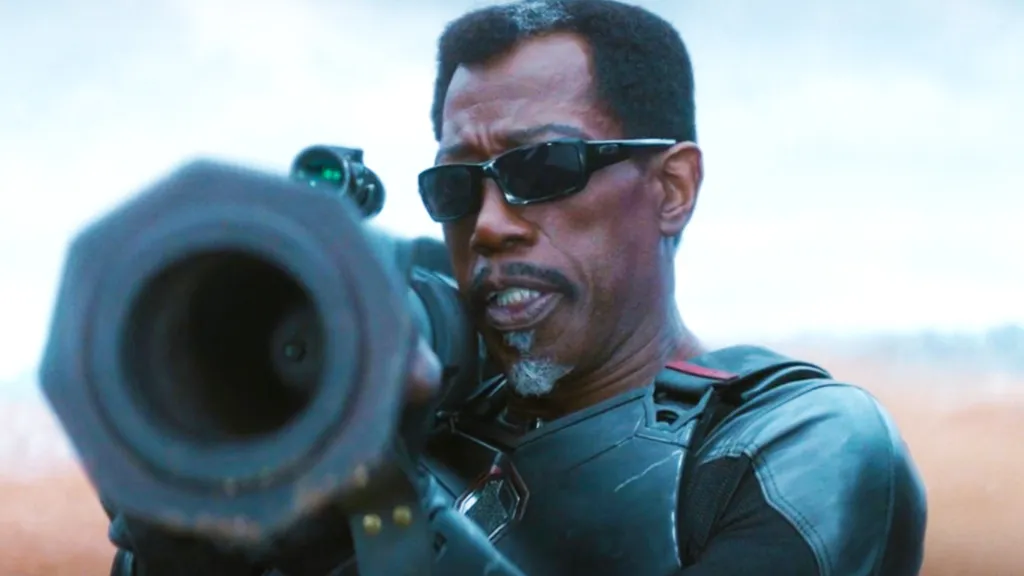
It’s funny to think Deadpool & Wolverine brought Wesley Snipes back for a cameo in 2024, and that the movie joked about Blade‘s delay by having Snipes say he is the only one, and the only one that will ever be. Two years later, the joke is now a prophecy, since Ali has obviously walked away from the deal. Marvel keeps expanding the supernatural corner of its universe, having released Moon Knight and Werewolf by Night, and now scheduling a movie with Ryan Gosling as Ghost Rider for 2028. Blade was supposed to be part of this universe and lead the occult heroes of Marvel against the threats that defy science. The character, due to his historical importance for Marvel as a whole, deserves to be in the MCU, and hopefully Marvel Studios creatives will take a cue from Snipes’ trilogy to plan his introduction.
