


Articles
In Theaters 25 Years Ago, An Underrated Animated Movie Bombed, Before Being Redeemed By a TV Show
Warner Bros. is one of the biggest producers of animation in American history, a legacy stretching back to the Looney Tunes shorts of the 1930s. Bugs Bunny and Daffy Duck helped define theatrical animation decades before television replaced cinemas as the format’s dominant home. The studio carried that tradition forward through Batman: The Animated Series in the 1990s and the crossover spectacle of Space Jam, then later invested in traditional hand-drawn feature animation with titles like The Iron Giant. Despite all these successful projects, 25 years ago Warner Bros. released an ambitious animated hybrid that audiences largely ignored.
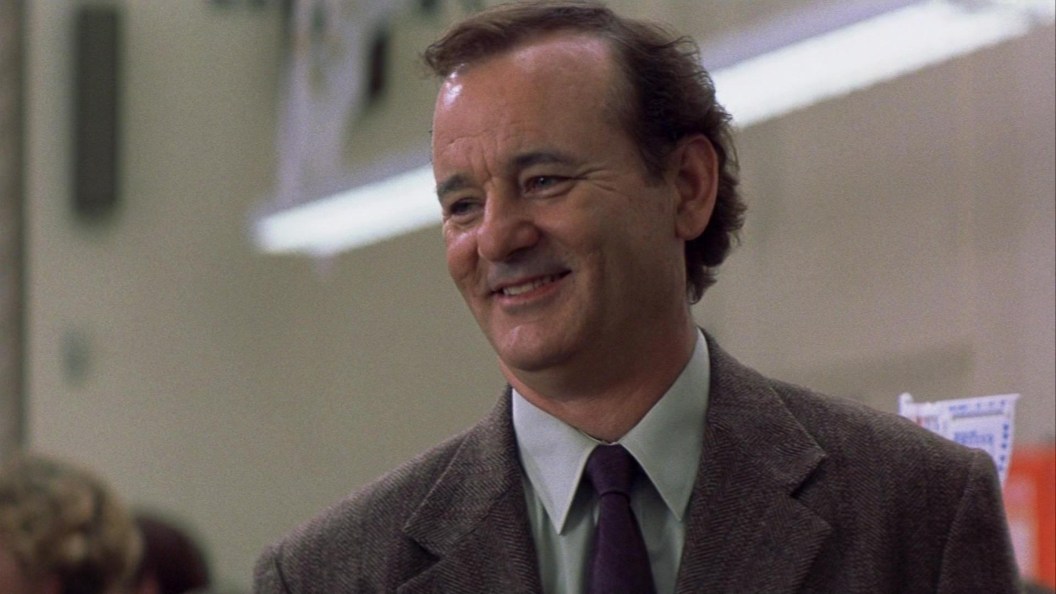
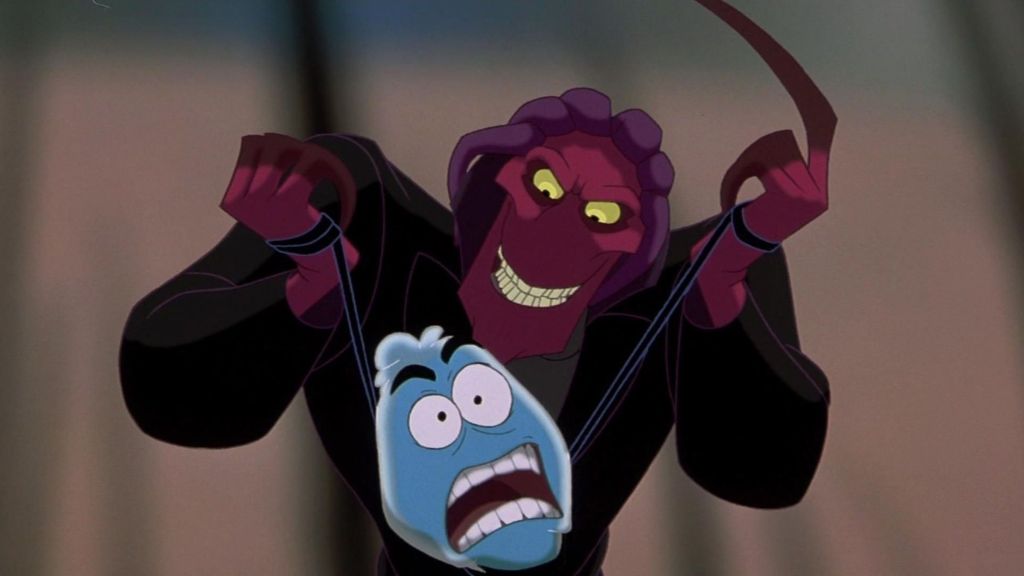
Osmosis Jones was released in theaters on August 10, 2001, exactly 25 years ago today. The movie alternated between a zookeeper with poor hygiene named Frank DeTorre (Bill Murray) and the animated microscopic world inside his body, with Peter Farrelly and Bobby Farrelly directing the live-action segments, while Piet Kroon and Tom Sito helmed the animated ones. The story kicks off when Frank eats an egg that he pulled from a monkey’s mouth. Inside Frank, a street-smart white blood cell named Osmosis Jones (voiced by Chris Rock) partners with a cold pill named Drix (voiced by David Hyde Pierce) to stop a virus (voiced by Laurence Fishburne) from killing their host within 48 hours. Warner Bros. spent $70 million on production, banking on the hybrid format and a supporting cast that included Brandy Norwood, William Shatner, and Molly Shannon to draw families into theaters. The gamble failed, as Osmosis Jones opened in seventh place with just over $5 million at the domestic box office, eventually finishing its run at $13.5 million. When adding worldwide revenue, that total jumps to a measly $14 million. Against its budget, Osmosis Jones became one of the steepest losses in Warner Bros.’ theatrical animation history.
Why Has Osmosis Jones Bombed in Theaters?
The failure of Osmosis Jones is due in part to Warner Bros. misguided marketing campaign. The studio leaned heavily on the involvement of the Farrelly brothers in its advertising, but their previous release, Say It Isn’t So, flopped commercially only months before the animated hybrid hit theaters. As a result, framing Osmosis Jones as another entry in the Farrelly brothers’ filmography did little to attract the raunch-comedy crowd while actively pushing away parents scouting a family movie. The movie’s production also compounded the issue, as original test screenings drew an initial PG-13 rating for crude humor before a recut brought the film down to PG. Even with the change, concerned parents were unwilling to risk a trip to theaters.
At the time of release, critical reception for Osmosis Jones was also mixed. The animated interior sequences, which depicted Frank’s body as a fully realized city complete with a police department, transit system, and criminal underworld, drew consistent praise for their invention. Meanwhile, the live-action framing device involving Frank’s daily life outside his own body was pointed out as the weaker half of every review. Since much of the gross humor came from the live-action scenes, as Frank keeps proving he’s a despicable human being, the imagery is more shocking to audiences than if it were animated, giving families another reason to avoid Osmosis Jones. With all that said, the movie did find its audience eventually, becoming a cult classic.
Osmosis Jones Eventually Got a TV Show

Once removed from a marketing campaign that never clarified its intended audience, Osmosis Jones found a receptive audience among younger viewers watching the movie at home. Furthermore, educators began using the film’s literal visualization of the human body — with the immune system as a police force and illness as a citywide emergency — as a teaching tool for basic biology. Plus, during its reappraisal, Osmosis Jones audiences began to understand that the crass humor was actually important for the story, as it helped underline the core message that we all need to take care of our bodies. Curiously enough, interest in Osmosis Jones saw a documented surge during the isolation of the COVID-19 pandemic, when a new wave of viewers rediscovered the film just as we were all constantly thinking about the invisible threats that live inside of us.
The legacy of Osmosis Jones would also live on as Warner Bros. refurbished the concept for television. Ozzy & Drix premiered on Kids’ WB on September 14, 2002, stripping away the live-action framing device and relocating Osmosis Jones and Drix to the body of a teenager named Hector Cruz. The studio recast both leads for television, with Phil LaMarr taking over Osmosis Jones and Jeff Bennett taking over Drix, and toned down the crude humor that had drawn complaints during the film’s theatrical run. The series ran for two seasons and twenty-six episodes before ending in July 2004, and is still remembered as a great entry of the 2000s animated canon.
You can stream Osmosis Jones for free on Hoopla, Tubi, and The Roku Channel. Ozzy & Drix is available for purchase on digital stores.
