


Articles
4 Dystopian Books That Deserve an Adaptation, And I’m Mad One Already Got Cancelled
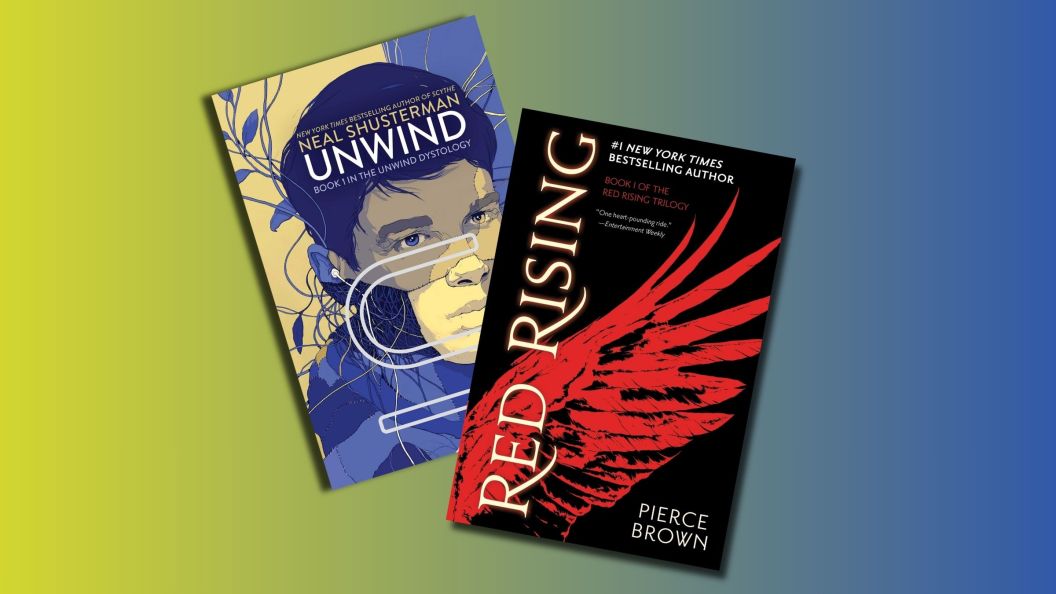
The 2010s were the era of dystopian movies, remember? And most of them were adaptations, which also gained a lot of attention at the time. However, the interesting thing is that when we try to think back on those productions, only a few actually come to mind. So eventually, the hype around dystopia started to die down, although some movies and event TV shows continued to explore the genre to a certain extent. And thinking about this entire history is what makes me wonder why some specific stories were never considered for adaptation, especially when they had so much potential. Of course, we can’t just take every dystopian book out there and start making endless adaptations, but I’m talking about genuinely strong concepts, with huge worlds and incredibly creative ideas.
Fortunately, there is still some time for that, considering dystopia seems to be slowly making a comeback with the confirmation of the Shatter Me book series adaptation, a new The Hunger Games installment, and the upcoming Klara and the Sun movie arriving later this year. So, here are 4 books from the genre that also deserve a chance to make their way to the screen.
4) The Immortal Rules
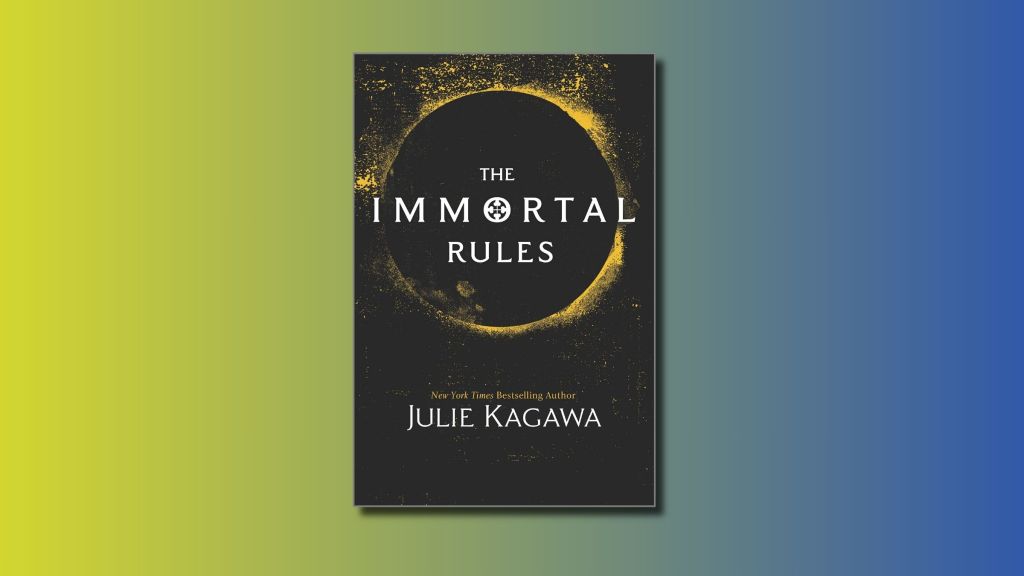
I honestly think it’s pretty interesting how The Immortal Rules is a dystopia that ended up being left behind since it has such a different premise. A lot of stories from the genre have always focused on authoritarian governments and rebellions against political systems, but here the idea is to mix that concept of a society with vampires in a post-apocalyptic world. Written by Julie Kagawa, the story blends fantasy elements and follows Allison Sekemoto, a girl who lives on the outskirts of this new civilization controlled by these creatures of the night and who, after almost dying, ends up becoming one of them.
From there, her struggle to maintain her humanity is explored, especially because, in the story, humans are treated as property, and she has always feared vampires. But what would be the real potential of The Immortal Rules as an adaptation? The vampire genre has become somewhat oversaturated, but the thing is that this book is not just about them. There is a very interesting opportunity here to show a completely different society, with class conflicts, human resistance, and a protagonist who literally has to question what defines a monster. I can totally imagine an adaptation building the politics of the vampires, the survivor groups, and Allison’s dilemma, without any of it feeling predictable.
3) Legend
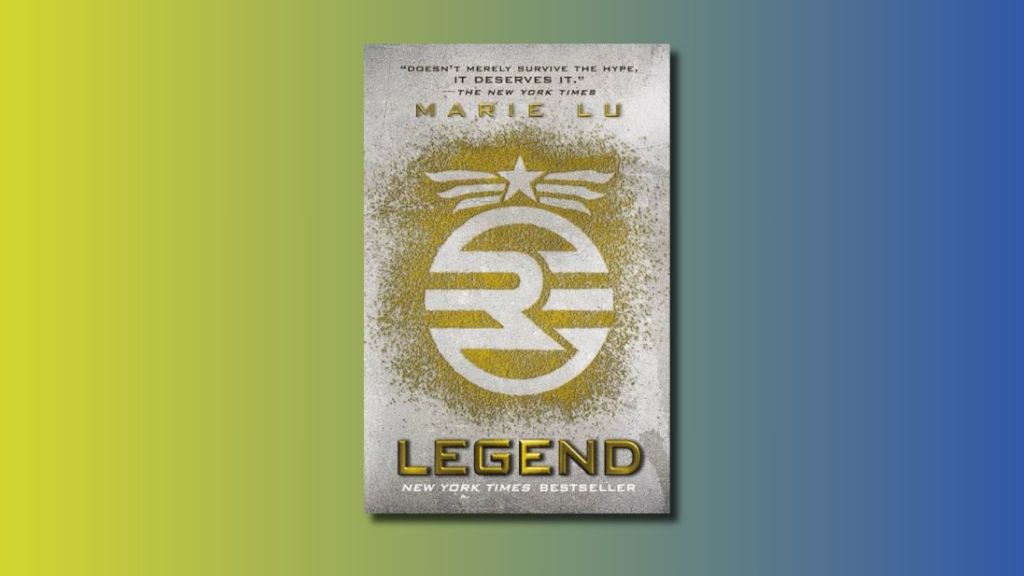
If you’re a fan of dystopian books, you’ve definitely heard of Legend, and because it’s so popular, it’s kind of funny that it was never considered for a movie or even a TV series. Its story would work really well for the screen: a futuristic society divided between an extremely privileged elite and a poor population controlled by a government that hides its own secrets. Sure, Divergent and The Handmaid’s Tale aren’t too far from that concept, but what happens in the story doesn’t rely only on the idea of a dystopian society. Written by Marie Lu, here we meet June, a prodigy trained by the Republic, and Day, a criminal considered an enemy of the State, when the two become involved in an investigation after Day is accused of killing June’s brother.
For me, the biggest difference with Legend is that it puts two characters with completely different views of the world against each other and makes you follow both sides of the conflict. If there was an adaptation, it would have room to become something between a political thriller, sci-fi, and action, with a protagonist dynamic that could become the center of the entire thing. There’s no need to simply repeat the formula of other dystopian films; instead, it should focus on a more spy-driven version, built around manipulation and the idea that the person telling the story is not always the one telling the truth.
2) Unwind
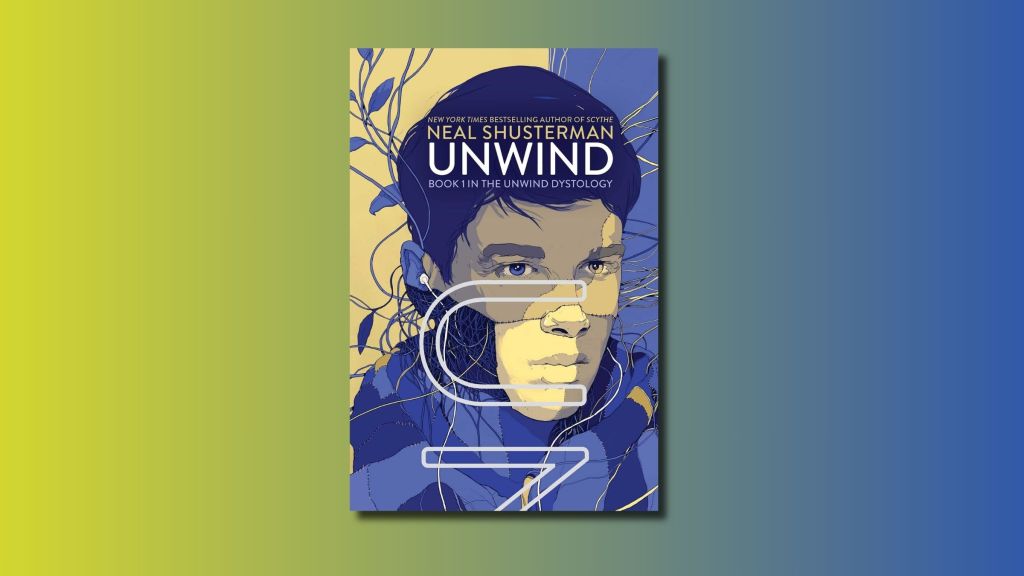
Okay, Unwind by Neal Shusterman is probably one of the hardest stories to adapt. On the other hand, it’s also one that most deserves a chance because of that. Here, we’re introduced to a future where a civil war has divided the United States, and society creates a solution considered “acceptable” for one of the country’s biggest political conflicts: teenagers can be sent through the process of unwinding, where their bodies are used for transplants, with the justification that they continue to exist through the parts that are used. Crazy? Yes. And specifically, the story follows Connor, Risa, and Lev, three teenagers who escape this fate and begin to uncover the true horror behind this system.
And why do I believe Unwind would work so well on screen? The book doesn’t focus entirely on the shock value of its premise; it uses this extreme idea to discuss very important subjects like social control, ethics, religion, politics, and how easily a society can normalize something inhumane when it is presented as a solution. It’s basically what The Hunger Games does; it’s a message for the audience. Obviously, there would need to be care to not turn everything into just a basic escape story, because this is exactly the kind of plot that could waste its own potential, like what happened with Elysium, for example. Overall, it’s an idea that is just too strong not to consider bringing to the screen.
1) Red Rising
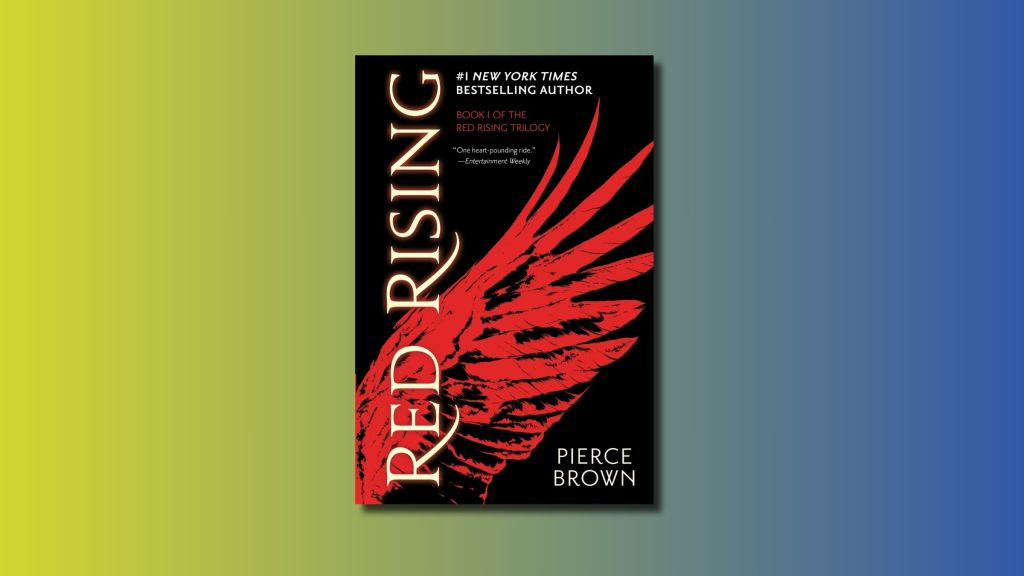
What bothers me about Red Rising is that it was already in development to become a series and was canceled while still in the early stages of the project. And the wildest part is that, maybe more than any other book on this list, this one has a very personal story combined with a massive scale. Written by Pierce Brown, it takes place in a future where humanity has colonized the Solar System and created a caste-based society, with the Golds dominating every other class. And the story revolves around Darrow, a Red miner who discovers that his life was a lie because of the system, and that his people have been enslaved by an elite that controls the galaxy. Because of that, he takes on a new identity and infiltrates the Golds in order to destroy everything from within.
There’s no need to explain just how big the premise is, right? There are space wars, politics, betrayals, complex characters, and a whole universe with so much room to expand. And the human side of it is never lost, because the protagonist is also someone who has to make difficult decisions and question how far he is willing to go to win. To put the scale of Red Rising into perspective, the story shares some similarities with Dune in aspects like the power struggle, class division, and the journey of a character who becomes a key figure in a revolution (the only difference is that Darrow is not born into the elite). With the right budget and vision, I truly believe this project could become one of the biggest dystopian adaptations, without a doubt.
